
Veggies Food Library
When can babies have grape leaves?
Can babies have grape leaves?
Babies can have cooked grape leaves from about 6 months when they are finely chopped or blended into other foods. Jarred grape leaves are packed in salty brine, so rinse them well or use fresh leaves you blanch at home. Whole leaves are thin and stringy, so avoid offering them in large pieces to young babies.
How to serve grape leaves by age
Shapes and textures change as your baby’s grasp and chewing grow.

6 months
Cook fresh or well-rinsed jarred grape leaves until very soft, then blend them into a smooth puree with rice, lentils or mashed vegetables and offer it on a spoon. Thin, whole leaves can cling to the roof of the mouth, so never serve them whole at this age.

7–8 months
Chop very soft cooked grape leaves finely and stir them into thicker, lumpier foods like soft rice, lentils or minced meat. Keep them mixed into moist foods so no large pieces of leaf remain.

9–12 months
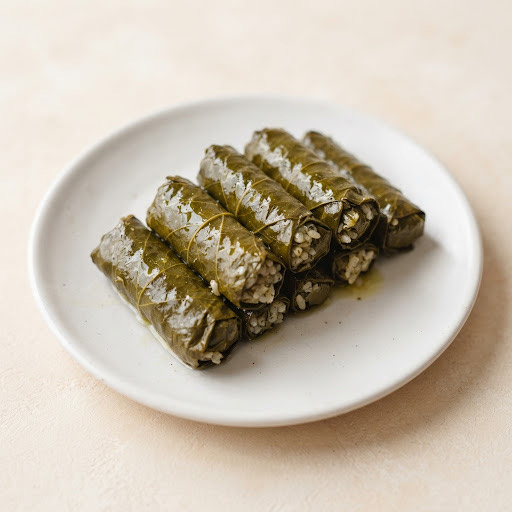
Offer small pieces of a soft homemade stuffed grape leaf, cut into bite-size bits, or finely chopped leaves stirred into rice or ground meat. Unroll and check store-bought dolma first, since some fillings contain pine nuts or currants.

12 months +
Toddlers can try a whole homemade dolma cut in half, or a lower-sodium store-bought one. Slice through the tough rolled end and teach your toddler to take small bites.
Why it’s good
Grape leaves give babies vitamin A, vitamin K, calcium and fiber in a small serving. Cooked with rice, lentils or meat, they add a gentle sour flavor that broadens a baby's taste range. Their main drawback is the high sodium in jarred leaves, which is easy to reduce by rinsing.
Safety notes
- Jarred and canned grape leaves are packed in brine and are very salty. Rinse them under running water and soak them in fresh water for 10 minutes before cooking.
- Whole leaves are thin and fibrous and can stick to the palate. Chop them finely or blend them for babies under 9 months.
- Store-bought dolma may contain whole pine nuts, currants or lots of salt. Read the label and remove whole nuts, which are a choking hazard.
- Only use leaves from vines that have not been sprayed with pesticides, and wash fresh leaves well before blanching.
- Serve stuffed grape leaves warm or at room temperature, and refrigerate leftovers within 2 hours.
A low-allergy food, still worth watching
Grape leaves are not a common food allergen, though rare reactions to grapes and grape products are possible. Watch the fillings too, since dolma can include pine nuts, which are a tree nut allergen.
Grape leaves for babies: questions parents ask
Quick answers about grape leaves for babies and toddlers.
When can babies have grape leaves?
Babies can have grape leaves from about 6 months when they are cooked until soft and finely chopped or blended. Rinsing jarred grape leaves first removes much of the salty brine.
Can babies have grape leaves?
Yes, babies can eat cooked grape leaves as part of a meal. Grape leaves are best served chopped into rice, lentils or meat rather than as large whole leaves for young babies.
Are grape leaves a choking hazard for babies?
Grape leaves are a low choking risk for babies when they are cooked soft and chopped. Large, thin pieces can stick in the mouth and cause gagging, and whole nuts in some dolma fillings are a choking hazard.
Are grape leaves a common allergen?
No, grape leaves are not a common allergen. Check stuffed grape leaves for pine nuts or other tree nuts if your baby has not tried them yet.
How do I serve grape leaves to a 6 month old?
To serve grape leaves to a 6 month old, rinse jarred leaves or blanch fresh ones, simmer until soft and blend them very finely. Stir the blended grape leaves into smooth rice, lentil or vegetable puree and offer it on a spoon.
Can babies have jarred grape leaves?
Babies can eat jarred grape leaves after they are rinsed and soaked to lower the salt. Jarred grape leaves are still higher in sodium than fresh leaves, so keep them to an occasional food.
Can babies have dolma or stuffed grape leaves?
Babies can eat homemade dolma with a soft rice or meat filling from about 9 months, cut into small pieces. Store-bought stuffed grape leaves are often high in salt and may include whole pine nuts, so check the label first.
Are fresh grape leaves better for babies than jarred?
Fresh grape leaves are lower in sodium than jarred ones, which makes them a good choice for babies. Blanch fresh grape leaves in boiling water for a few minutes until they soften before using them.
Can babies have raw grape leaves?
Raw grape leaves are tough and bitter, so they are not a good choice for babies. Cook grape leaves until soft before serving them to babies or toddlers.
The takeaway
- Babies can have cooked grape leaves from about 6 months when they are finely chopped or blended into other foods.
- Cook fresh or well-rinsed jarred grape leaves until very soft, then blend them into a smooth puree with rice, lentils or mashed vegetables and offer it on a spoon.
- Choking risk is low. Not a Top 9 allergen, but offer a small amount first and watch for any reaction.
Read next


Sources
This guide follows current advice from these organizations.
- Starting Solid Foods American Academy of Pediatrics (HealthyChildren.org)
- When, What, and How to Introduce Solid Foods Centers for Disease Control and Prevention
- Choking Hazards Centers for Disease Control and Prevention
- Foods and Drinks to Avoid or Limit Centers for Disease Control and Prevention
Track every new food in your baby’s passport
Track the first 100 foods and the Top 9 allergens. 7 days free.
More vegetables for babies
Updated November 2026. Reviewed by our dietitians. Based on AAP, CDC and NIAID guidance. Written for healthy, full-term babies; not a substitute for your pediatrician. If your baby was born early, has a medical condition, feeding difficulties or a known allergy, check with them first (medical disclaimer). Always stay with your baby while they eat.