
Protein Food Library
When can babies have black lentils?
Can babies have black lentils?
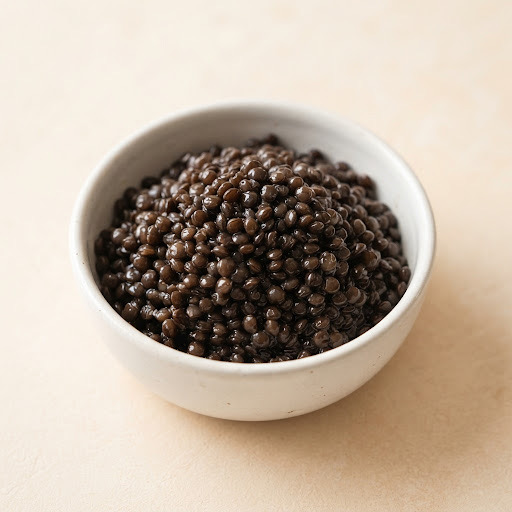
Babies can have black lentils from about 6 months, as soon as they are ready for solids. Cook black lentils until they are completely soft and squash easily, then mash them or mix them into a food baby can scoop. Black lentils are rich in plant iron and protein, which makes them a great early food.
How to serve black lentils by age
Shapes and textures change as your baby’s grasp and chewing grow.

6 months
Simmer black lentils until very soft, then blend them with a little cooking water, breast milk or formula until smooth and thick enough to cling to a spoon. Black lentil skins can stay slightly gritty, so blend well and offer it on a preloaded spoon.

7–8 months
Mash very soft black lentils with a fork so some lumps remain, and stir them into mashed sweet potato, rice or yogurt. You can also spread the thick mash on a soft toast strip about the size of an adult finger for your baby to hold.

9–12 months
Offer whole, very soft cooked black lentils for pincer-grasp practice, or press them into small patties that are soft inside. You can also stir them into rice, mashed sweet potato or yogurt so they are easier to pick up.

12 months +
Toddlers can eat black lentils in soups, stews, salads, tacos and pasta sauces. Keep cooking them until tender, and let your toddler practice scooping them with a spoon.
Why it’s good
Black lentils give babies plant protein, iron, zinc, folate and plenty of fiber, which supports brain development, growth and regular poops. The iron in lentils is the plant kind, so pair black lentils with a vitamin C food like tomato, broccoli, bell pepper or berries to help your baby absorb more of it. Black lentils also contain antioxidants in their dark skins.
Safety notes
- Always cook black lentils until they are fully soft. Undercooked lentils are firm and hard to chew, and raw or sprouted raw lentils are not safe for babies.
- Black lentils keep their shape better than red or brown lentils, so check that each one squashes easily between your thumb and finger before serving whole lentils.
- Rinse dry lentils and pick out any small stones or debris before cooking.
- If you use canned lentils, choose no-salt-added cans and rinse them well, since regular canned lentils can be high in sodium.
- Store cooked lentils in the fridge and use them within 3 to 4 days, or freeze small portions for up to 3 months.
A low-allergy food, still worth watching
Black lentils are not one of the Top 9 allergens, but lentil allergy does happen, and it is more common in some regions and in children with a peanut or pea allergy. Start with a small portion and watch for hives, vomiting or swelling, and talk to your pediatrician first if your baby has a legume allergy.
Black lentils for babies: questions parents ask
Quick answers about black lentils for babies and toddlers.
When can babies have black lentils?
Babies can have black lentils from about 6 months, when they show signs of being ready for solids. Black lentils should be cooked until very soft and mashed or served in a texture your baby can manage.
Can babies have black lentils?
Yes, babies can eat black lentils once they have started solids. Black lentils are a nourishing first food that gives babies iron, protein and fiber, as long as they are cooked very soft.
Are black lentils a choking hazard for babies?
Black lentils are a low choking risk for babies when they are fully cooked and soft. Firm, undercooked lentils are harder to manage, so test that they squash easily, serve them in a safe seat and always stay close while your baby eats.
Are black lentils a common allergen?
Black lentils are not a common allergen in the United States and are not one of the Top 9 allergens. Lentil allergy is possible, though, especially in children who are allergic to other legumes, so watch your baby the first few times.
How do I serve black lentils to a 6 month old?
To serve black lentils to a 6 month old, simmer them until very soft, then blend them into a smooth, thick puree. Offer it on a preloaded spoon, and mix in a little olive oil or yogurt for extra calories. Lumpier mash and mash spread on soft toast strips can follow at 7–8 months.
How do you cook black lentils for a baby?
To cook black lentils for a baby, rinse them, then simmer one part lentils in about three parts water for 25 to 35 minutes, until they are completely tender. Black lentils do not need soaking, and you should skip the salt in the cooking water.
What is the difference between black lentils and other lentils?
Black lentils, also called beluga lentils, are small and dark and hold their shape after cooking. Red and yellow lentils break down into a soft mush and are a bit easier for brand-new eaters, while brown and green lentils fall somewhere in between.
Are black lentils a good source of iron for babies?
Yes, black lentils are a good plant source of iron, which babies need more of from about 6 months. Serving black lentils with a vitamin C rich food like tomato or strawberries helps the body absorb the iron better.
Will black lentils give my baby gas?
Black lentils can cause some gas because of their fiber, especially when they are new. Starting with small amounts, cooking them very soft and offering water with meals usually helps a baby's tummy adjust over a few weeks.
Can I freeze cooked black lentils for my baby?
Yes, cooked black lentils freeze well. Portion the mash or whole cooked lentils into an ice cube tray or small containers, freeze for up to 3 months and thaw in the fridge overnight before warming.
The takeaway
- Babies can have black lentils from about 6 months, as soon as they are ready for solids.
- Simmer black lentils until very soft, then blend them with a little cooking water, breast milk or formula until smooth and thick enough to cling to a spoon.
- Choking risk is low. Not a Top 9 allergen, but offer a small amount first and watch for any reaction.
Read next


Sources
This guide follows current advice from these organizations.
- Starting Solid Foods American Academy of Pediatrics (HealthyChildren.org)
- When, What, and How to Introduce Solid Foods Centers for Disease Control and Prevention
- Choking Hazards Centers for Disease Control and Prevention
- Foods and Drinks to Avoid or Limit Centers for Disease Control and Prevention
- Iron Centers for Disease Control and Prevention
Recipes with black lentils
Track every new food in your baby’s passport
Track the first 100 foods and the Top 9 allergens. 7 days free.
More protein foods for babies

Updated November 2026. Reviewed by our dietitians. Based on AAP, CDC and NIAID guidance. Written for healthy, full-term babies; not a substitute for your pediatrician. If your baby was born early, has a medical condition, feeding difficulties or a known allergy, check with them first (medical disclaimer). Always stay with your baby while they eat.