
Protein Food Library
When can babies have bison?
Can babies have bison?
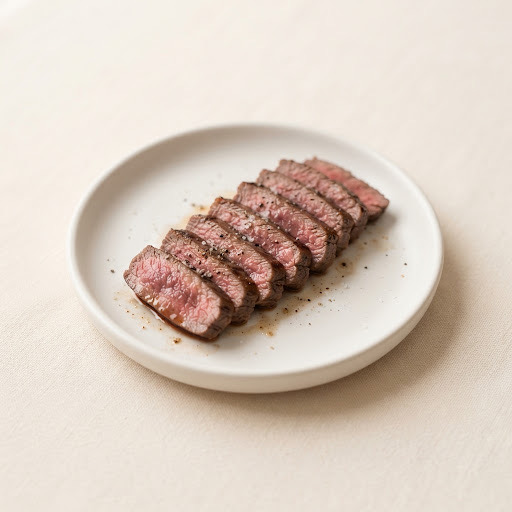
Babies can have bison from about 6 months, cooked all the way through. Bison is an excellent source of iron, zinc and protein, which babies need from 6 months on. Start with smooth bison puree on a spoon, then minced bison in mashes and soft meatballs from 7–8 months.
How to serve bison by age
Shapes and textures change as your baby’s grasp and chewing grow.

6 months
Cook ground or braised bison until no pink remains, then blend it with a little cooking liquid, breast milk or formula and smooth vegetable puree, such as sweet potato, until completely smooth. Offer it on a spoon.

7–8 months
Mince fully cooked bison finely and stir it into mashed potato, lentils or a thick sauce so there are no dry crumbles. You can also offer soft, moist bison meatballs or a log-shaped patty, or very tender shredded braised bison, that squash easily between your fingers.

9–12 months
Serve tender, shredded bison or small bite-size pieces of soft meatball, or mix cooked ground bison into pasta sauce, rice or lentils. Keep the meat moist, since lean bison dries out quickly.

12 months +
Toddlers can have bison burgers cut into strips, meatballs, chili and stews with small, tender pieces of meat. Avoid tough chunks and jerky, and remind your toddler to sit down while eating.
Why it’s good
Bison gives babies easily absorbed heme iron and zinc, two nutrients that commonly run low after 6 months. Bison is also a great source of protein, vitamin B12, selenium and niacin for growth and brain development. Bison is leaner than most beef, so add a little healthy fat like olive oil or avocado to keep it moist.
Safety notes
- Cook ground bison to 160°F (71°C), and whole cuts to at least 145°F (63°C) with a rest time. Bison should not be served rare or pink to babies.
- Lean bison dries out and toughens quickly. Cook it low and slow, braise it, or keep it moist with sauce so it is easier to chew.
- Dry ground meat crumbles and small hard cubes are choking hazards for babies. Serve ground bison in soft meatballs or mixed into moist foods, and shred tender braised bison finely instead of cutting cubes.
- Bison jerky, bison sausages and hot dogs are high in salt and hard to chew. Wait on these until well past toddlerhood and offer them only occasionally.
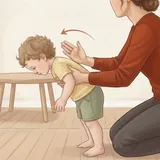
- If your baby gags on a piece of meat, let them work it forward. Learn the difference between gagging and choking, and always stay at the table during meals.
A low-allergy food, still worth watching
Bison is not a common allergen, though meat allergies, including to bison, have been reported. Children with alpha-gal syndrome or a beef allergy may also react to bison, so watch for hives, vomiting or swelling and check with your pediatrician if you have concerns.
Bison for babies: questions parents ask
Quick answers about bison for babies and toddlers.
When can babies have bison?
Babies can have bison from about 6 months, as soon as they start solid foods. Bison is a great early food because it is rich in iron and zinc, as long as it is fully cooked and served in a safe shape.
Can babies have bison?
Yes, babies can eat bison when it is cooked through and prepared for their stage. Bison can be blended into a puree, minced into mashes, made into soft meatballs or mixed as ground meat into moist foods.
Is bison a choking hazard for babies?
Yes, bison can be a choking hazard, as with all meats. Avoid dry crumbles, small hard cubes and tough chunks, and offer bison as soft meatballs, finely shredded or ground meat mixed into a sauce instead.
Is bison a common allergen?
No, bison is not a common allergen. Allergic reactions to bison are rare, but they can happen, especially in children with alpha-gal syndrome or a beef allergy.
How do I serve bison to a 6 month old?
To serve bison to a 6 month old, cook it through until no pink remains, then blend it with a little cooking liquid and smooth vegetable puree and offer it on a spoon. Soft, finger-length bison meatballs that squash easily can follow at 7–8 months.
Is bison better than beef for babies?
Bison and beef are both excellent iron-rich meats for babies. Bison is a bit leaner and slightly higher in iron, while beef is easier to keep moist, so choose whichever your family prefers and can find.
When can babies have bison meatballs?
Babies can have bison meatballs from about 7–8 months if the meatballs are soft, moist and shaped into finger-length logs that squash easily; at 6 months, blend the cooked bison into a puree instead. Bison meatballs can be cut into small pieces once your baby develops a pincer grasp.
Can toddlers eat bison jerky?
Bison jerky is tough, chewy and high in sodium, which makes bison jerky a poor choice for babies and young toddlers. If you offer jerky later, choose a low-sodium version, cut it small and make sure your child is seated and chewing well.
Can bison help babies poop?
Bison has no fiber, so bison will not help babies poop on its own. Serve bison with vegetables, fruits, beans or whole grains and offer water with meals to keep digestion regular.
How do I keep ground bison moist for babies?
To keep ground bison moist, cook it gently over medium heat and add a little olive oil, grated vegetables, egg or breadcrumbs when making patties or meatballs. Serving ground bison in a sauce or stew also keeps it soft.
The takeaway
- Babies can have bison from about 6 months, cooked all the way through.
- Cook ground or braised bison until no pink remains, then blend it with a little cooking liquid, breast milk or formula and smooth vegetable puree, such as sweet potato, until completely smooth.
- Choking risk is high. Not a Top 9 allergen, but offer a small amount first and watch for any reaction.
Read next

Sources
This guide follows current advice from these organizations.
- Starting Solid Foods American Academy of Pediatrics (HealthyChildren.org)
- When, What, and How to Introduce Solid Foods Centers for Disease Control and Prevention
- Choking Hazards Centers for Disease Control and Prevention
- Choking Prevention American Academy of Pediatrics (HealthyChildren.org)
- Iron Centers for Disease Control and Prevention
Track every new food in your baby’s passport
Track the first 100 foods and the Top 9 allergens. 7 days free.
More protein foods for babies
Updated November 2026. Reviewed by our dietitians. Based on AAP, CDC and NIAID guidance. Written for healthy, full-term babies; not a substitute for your pediatrician. If your baby was born early, has a medical condition, feeding difficulties or a known allergy, check with them first (medical disclaimer). Always stay with your baby while they eat.