
Protein Food Library
When can babies have black-eyed peas?
Can babies have black-eyed peas?
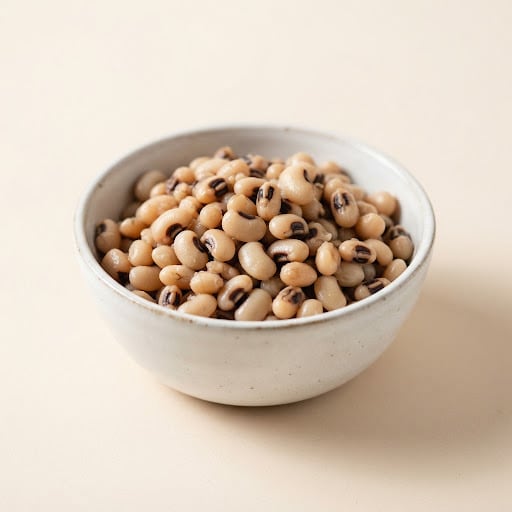
Babies can have black-eyed peas from about 6 months, cooked until very soft and blended or mashed smooth, with lumpier mash from 7–8 months and flattened peas later. Whole black-eyed peas are small and round, so they are a choking risk until your baby can chew well. They are a great plant source of iron, protein and fiber.
How to serve black-eyed peas by age
Shapes and textures change as your baby’s grasp and chewing grow.

6 months
Cook black-eyed peas until very soft, slip off any tough skins if you like, then blend them with a little cooking water, breast milk or formula into a smooth puree. Serve it on a spoon or a pre-loaded spoon, or mix it with mashed sweet potato.

7–8 months
Fork-mash soft black-eyed peas into a thicker, lumpier paste and mix it with mashed sweet potato or rice, or spread it thinly on soft toast strips. You can also shape the mash into soft patties that squash easily between your fingers.

9–12 months
Flatten each soft-cooked black-eyed pea between your fingers before serving, so your baby can practice the pincer grasp without a round, whole pea. You can also mix mashed peas into patties or fritters cut into strips.

12 months +
Toddlers can have whole, soft-cooked black-eyed peas in stews, rice dishes, soups and salads once they chew well. Keep flattening them if your toddler tends to swallow food without chewing.
Why it’s good
Black-eyed peas give babies plant protein, iron, folate, zinc, magnesium and fiber for growth and healthy digestion. Pair black-eyed peas with a vitamin C food such as tomato, bell pepper, broccoli or fruit to help your baby absorb more of the iron. They also have a mild, creamy texture once cooked that many babies like.
Safety notes
- Whole black-eyed peas are small and round, which makes them a choking hazard for babies. Mash or flatten them until your child can chew well.
- Always cook dried black-eyed peas until fully soft. Undercooked legumes are hard to chew and can upset the stomach.
- Canned black-eyed peas are often high in sodium. Choose no-salt-added cans, or drain and rinse them well before serving.
- Traditional black-eyed pea dishes often use ham hocks, bacon or salt pork. Cook your baby's portion separately or before adding cured meats and salt.
- Black-eyed peas are high in fiber and can cause gas. Start with a small amount and build up slowly.
A low-allergy food, still worth watching
Black-eyed peas are not a common allergen, but they are legumes, and children with peanut, soy, pea or other legume allergies may sometimes react to them. Offer a small amount first and watch for hives, vomiting, coughing or swelling, and ask your pediatrician first if your baby has a legume allergy.
Black-eyed peas for babies: questions parents ask
Quick answers about black-eyed peas for babies and toddlers.
When can babies have black-eyed peas?
Babies can have black-eyed peas from about 6 months, when they start solid foods. Black-eyed peas should be cooked until very soft and blended or mashed for young babies, then flattened one by one for older babies.
Can babies have black-eyed peas?
Yes, babies can eat black-eyed peas when they are well cooked and prepared to lower choking risk. Black-eyed peas are a nourishing source of plant protein, iron and fiber.
Are black-eyed peas a choking hazard for babies?
Yes, whole black-eyed peas are a choking hazard for babies because they are small and round. Mash black-eyed peas for young babies, flatten each pea for older babies, and stay with your child during meals.
Are black-eyed peas a common allergen?
No, black-eyed peas are not a common allergen and are not in the Top 9. Black-eyed peas are legumes, so children with peanut or other legume allergies may occasionally react to them.
How do I serve black-eyed peas to a 6 month old?
To serve black-eyed peas to a 6 month old, cook them until very soft, then blend or mash them into a smooth paste. Offer the black-eyed pea mash on a spoon or a pre-loaded spoon. Spreading it on soft toast strips can follow at 7–8 months.
Can babies have canned black-eyed peas?
Yes, babies can eat canned black-eyed peas if you choose no-salt-added cans or drain and rinse them well. Canned black-eyed peas are already cooked, but mash or flatten them just like home-cooked peas.
Do I need to soak black-eyed peas before cooking?
Black-eyed peas do not strictly need soaking because they cook faster than most dried beans, often in 45 to 60 minutes. Soaking black-eyed peas for a few hours can shorten the cooking time and may make them easier to digest.
Can black-eyed peas help babies poop?
Black-eyed peas are high in fiber, which can help soften stools and support regular bowel movements. Offer water with meals when serving black-eyed peas and increase the amount gradually to avoid gas.
Are frozen black-eyed peas good for babies?
Frozen black-eyed peas are a convenient choice for babies and usually have no added salt. Cook frozen black-eyed peas until very soft, then mash or flatten them before serving.
The takeaway
- Babies can have black-eyed peas from about 6 months, cooked until very soft and blended or mashed smooth, with lumpier mash from 7–8 months and flattened peas later.
- Cook black-eyed peas until very soft, slip off any tough skins if you like, then blend them with a little cooking water, breast milk or formula into a smooth puree.
- Choking risk is medium. Not a Top 9 allergen, but offer a small amount first and watch for any reaction.
Read next


Sources
This guide follows current advice from these organizations.
- Starting Solid Foods American Academy of Pediatrics (HealthyChildren.org)
- When, What, and How to Introduce Solid Foods Centers for Disease Control and Prevention
- Choking Hazards Centers for Disease Control and Prevention
- Choking Prevention American Academy of Pediatrics (HealthyChildren.org)
- Foods and Drinks to Avoid or Limit Centers for Disease Control and Prevention
- Iron Centers for Disease Control and Prevention
Track every new food in your baby’s passport
Track the first 100 foods and the Top 9 allergens. 7 days free.
More protein foods for babies
Updated November 2026. Reviewed by our dietitians. Based on AAP, CDC and NIAID guidance. Written for healthy, full-term babies; not a substitute for your pediatrician. If your baby was born early, has a medical condition, feeding difficulties or a known allergy, check with them first (medical disclaimer). Always stay with your baby while they eat.