
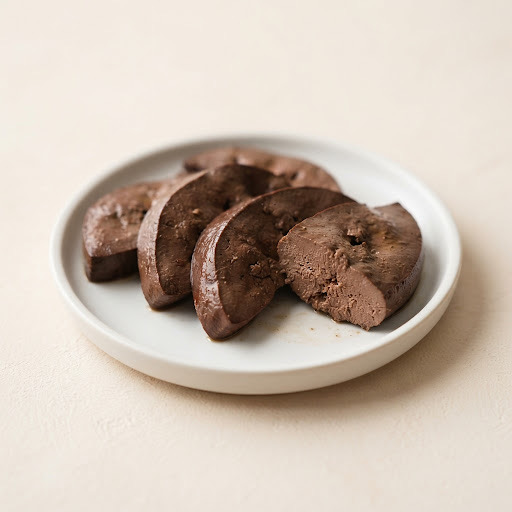
Protein Food Library
When can babies have beef liver?
Can babies have beef liver?
Babies can have beef liver from about 6 months, cooked all the way through and served in small portions. Beef liver is packed with iron, but it is also very high in vitamin A, so keep it to a small serving about once a week. Pureed, mashed or blended into other foods works best for young babies.
How to serve beef liver by age
Shapes and textures change as your baby’s grasp and chewing grow.

6 months
Cook beef liver until it is no longer pink inside, then blend it smooth with a little water, breast milk or formula. Stir about a tablespoon into mashed potato, sweet potato or rice and offer it on a spoon, about once a week.

7–8 months
Mash or finely mince cooked beef liver and mix it into thicker, lumpier mashes, or spread a thin layer of smooth liver paste on a soft toast strip. You can also add a little blended liver to a soft meatball mix with ground beef that squashes easily.

9–12 months
Offer finely chopped or crumbled cooked beef liver mixed into ground meat, scrambled egg or pasta sauce, or serve a smooth liver pâté on soft toast. Keep the portion to a tablespoon or two, about once a week.

12 months +
Toddlers can have thin, tender strips of cooked beef liver cut into small bite-size pieces, or liver mixed into burgers, meatballs and bolognese. Stick to a small serving about once a week because of the vitamin A.
Why it’s good
Beef liver is one of the richest food sources of iron, zinc, vitamin B12 and folate, which babies need for blood, brain development and growth after their iron stores start to run low around 6 months. It also provides high-quality protein, copper and choline. Beef liver is extremely high in preformed vitamin A, so a little goes a long way.
Safety notes
- Limit beef liver to a small portion, about 1 to 2 tablespoons, roughly once a week. Beef liver contains very high levels of vitamin A, and too much over time can be harmful to babies.
- Do not give liver alongside vitamin A supplements or cod liver oil unless your pediatrician says it is okay.
- Cook beef liver until there is no pink left inside and it reaches 160°F (71°C). Rare or undercooked liver can carry harmful bacteria.
- Cooked liver can be firm, rubbery and crumbly. Blend, mash or chop it finely for babies, and avoid serving thick chewy slices.
- Skip processed liver products like liverwurst, liver sausage and store-bought pâté for babies. They are high in salt and may carry Listeria if not heated.
A low-allergy food, still worth watching
Beef liver is not a common allergen, and beef allergy is uncommon. Rarely, children with alpha-gal syndrome or a cow's milk allergy react to beef, so watch for hives, vomiting or swelling and talk to your pediatrician if you see a reaction.
Beef liver for babies: questions parents ask
Quick answers about beef liver for babies and toddlers.
When can babies have beef liver?
Babies can have beef liver from about 6 months, cooked through and served in small amounts. Because beef liver is so high in vitamin A, most babies should have it only about once a week.
Can babies have beef liver?
Yes, babies can eat beef liver in small, well-cooked portions. Beef liver is an excellent source of iron and B12, but the high vitamin A content means it should be an occasional food, not a daily one.
Is beef liver a choking hazard for babies?
Beef liver can be a choking hazard because cooked liver is firm and chewy and can break into dry crumbles. Blend or mash beef liver smooth for young babies, chop it finely for older babies, and always stay close at mealtimes.
Is beef liver a common allergen?
No, beef liver is not a common allergen. Reactions to beef are rare, but introduce a small amount first and watch for signs of an allergic reaction.
How do I serve beef liver to a 6 month old?
To serve beef liver to a 6 month old, cook it fully, then blend it with a little water, breast milk or formula into a smooth paste. Mix a spoonful into a puree your baby already enjoys and offer it on a spoon. Liver spread thinly on a soft toast strip can follow at 7–8 months.
How much beef liver can a baby have?
A baby can have about 1 to 2 tablespoons of cooked beef liver roughly once a week. Beef liver contains far more vitamin A than babies need in a day, so larger or more frequent portions are not recommended without your pediatrician's advice.
Is chicken liver or beef liver better for babies?
Chicken liver and beef liver are both nutritious for babies, and both are very high in vitamin A. Chicken liver tends to be softer and milder, and beef liver is firmer with a stronger flavor, so pick the one that suits your baby and keep portions small either way.
How do I make beef liver taste milder for my baby?
To make beef liver taste milder, soak it in cow's milk or water for 30 minutes to an hour before cooking, then cook it gently so it does not turn tough. Mixing beef liver into meatballs, bolognese or mashed vegetables also softens the strong flavor.
Can babies have liver pâté or liverwurst?
Homemade liver pâté made from well-cooked liver with no added salt is fine for babies in small amounts. Store-bought pâté and liverwurst are usually high in sodium and may carry Listeria, so they are best avoided for babies.
Is it safe to freeze cooked beef liver for babies?
Yes, cooked and pureed beef liver freezes well in ice cube trays, which also makes small portions easy. Thaw beef liver in the fridge and use within a day.
The takeaway
- Babies can have beef liver from about 6 months, cooked all the way through and served in small portions.
- Cook beef liver until it is no longer pink inside, then blend it smooth with a little water, breast milk or formula.
- Choking risk is medium. Not a Top 9 allergen, but offer a small amount first and watch for any reaction.
Read next


Sources
This guide follows current advice from these organizations.
- Starting Solid Foods American Academy of Pediatrics (HealthyChildren.org)
- When, What, and How to Introduce Solid Foods Centers for Disease Control and Prevention
- Choking Hazards Centers for Disease Control and Prevention
- Choking Prevention American Academy of Pediatrics (HealthyChildren.org)
- Preventing Listeria Infection Centers for Disease Control and Prevention
- Iron Centers for Disease Control and Prevention
Track every new food in your baby’s passport
Track the first 100 foods and the Top 9 allergens. 7 days free.
More protein foods for babies
Updated November 2026. Reviewed by our dietitians. Based on AAP, CDC and NIAID guidance. Written for healthy, full-term babies; not a substitute for your pediatrician. If your baby was born early, has a medical condition, feeding difficulties or a known allergy, check with them first (medical disclaimer). Always stay with your baby while they eat.