
Fruit Food Library
When can babies have tangerines?
Can babies have tangerines?
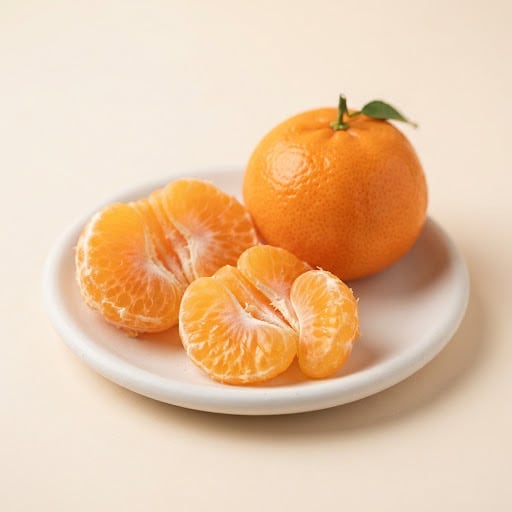
Babies can have tangerines from about 6 months when the segments are taken out of their membrane and any seeds are removed. Whole segments with membrane are stringy and can be a choking hazard. Tangerines are sweet, juicy and packed with vitamin C.
How to serve tangerines by age
Shapes and textures change as your baby’s grasp and chewing grow.

6 months
Peel the tangerine, split the segments open and scoop the juicy flesh out of the membrane, removing every seed. Mash the flesh well and stir it into plain yogurt or oatmeal, then offer it on a spoon.

7–8 months
Offer membrane-free, seeded tangerine flesh in a pile for baby to rake up, or fork-mash it roughly into yogurt for a lumpier texture. Keep whole segments with membrane off the menu.

9–12 months
Offer small, membrane-free pieces of tangerine flesh for pincer practice. Cut segments open and check for seeds before serving.

12 months +
Toddlers can have tangerine segments cut into small pieces. Many toddlers love to help peel, which builds hand skills. Keep cutting segments in half or quarters until about age 2 or later.
Why it’s good
Tangerines are rich in vitamin C, which helps babies absorb iron from plant foods, and offer vitamin A, folate, potassium and fiber. Their natural sweetness makes them an easy fruit to enjoy.
Safety notes
- The membrane around each segment is tough and can be hard for babies to chew. Remove it for babies under 12 months.
- Remove all seeds before serving.
- Whole segments can block the airway. Cut segments into small pieces for toddlers.
- Tangerines are acidic and can cause a red rash around the mouth or diaper area. This is usually irritation.
A low-allergy food, still worth watching
Tangerines are not a common allergen, but rare reactions to citrus can occur. Start with a small amount and watch for hives, swelling or vomiting.
Tangerines for babies: questions parents ask
Quick answers about tangerines for babies and toddlers.
When can babies have tangerines?
Babies can have tangerines from about 6 months when the flesh is removed from the membrane and seeded. Tangerines are a good source of vitamin C.
Can babies have tangerines?
Yes, babies can eat tangerines that are prepared safely. Remove the membrane and seeds for young babies.
Are tangerines a choking hazard for babies?
Yes, tangerine segments can be a choking hazard because the membrane is tough and segments can block the airway. Removing the membrane and cutting segments small lowers the risk.
Are tangerines a common allergen?
No, tangerines are not a common allergen. Rare citrus allergies can occur, so start small.
How do I serve tangerines to a 6 month old?
To serve tangerines to a 6 month old, peel the fruit, open each segment and scoop out the flesh without the membrane or seeds, then mash it into yogurt or oatmeal and offer it on a spoon. Membrane-free flesh for baby to rake up can follow at 7–8 months.
Are tangerines the same as mandarins?
Tangerines are a type of mandarin orange. Clementines and satsumas are also mandarins and can be served to babies the same way.
Can babies drink tangerine juice?
Babies should not have tangerine juice before 12 months. After that, offer whole tangerines instead of juice whenever possible.
Are canned mandarin oranges okay for babies?
Canned mandarin oranges in juice or water are soft and fine for babies if cut into small pieces. Avoid ones packed in syrup because of added sugar.
The takeaway
- Babies can have tangerines from about 6 months when the segments are taken out of their membrane and any seeds are removed.
- Peel the tangerine, split the segments open and scoop the juicy flesh out of the membrane, removing every seed.
- Choking risk is medium. Not a Top 9 allergen, but offer a small amount first and watch for any reaction.
Read next



Sources
This guide follows current advice from these organizations.
- Starting Solid Foods American Academy of Pediatrics (HealthyChildren.org)
- When, What, and How to Introduce Solid Foods Centers for Disease Control and Prevention
- Choking Hazards Centers for Disease Control and Prevention
- Choking Prevention American Academy of Pediatrics (HealthyChildren.org)
Track every new food in your baby’s passport
Track the first 100 foods and the Top 9 allergens. 7 days free.
More fruit for babies
Updated November 2026. Reviewed by our dietitians. Based on AAP, CDC and NIAID guidance. Written for healthy, full-term babies; not a substitute for your pediatrician. If your baby was born early, has a medical condition, feeding difficulties or a known allergy, check with them first (medical disclaimer). Always stay with your baby while they eat.