
Fruit Food Library
When can babies have tamarind?
Can babies have tamarind?
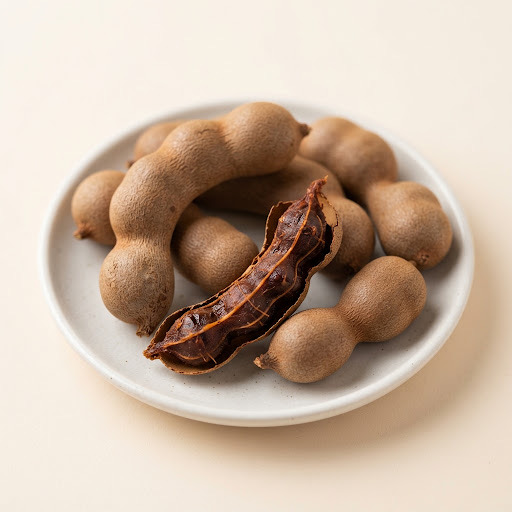
Babies can have tamarind from about 6 months as smooth, seed-free tamarind paste stirred into food. Whole tamarind pods contain hard seeds and stringy fibers that are a choking hazard, and tamarind candies are high in sugar. Tamarind is not a common allergen, though it is a legume.
How to serve tamarind by age
Shapes and textures change as your baby’s grasp and chewing grow.

6 months
Stir a small amount of smooth, unsweetened, seed-free tamarind paste or strained pulp into smooth lentils, rice porridge or vegetable puree and offer it on a spoon. The tangy flavor goes a long way, so start with a little.

7–8 months
Use strained tamarind paste to season thicker, lumpier foods like mashed dal, soft rice or fork-mashed sweet potato. Always strain out seeds and fibers.

9–12 months
Use tamarind in mild curries, dal or sauces served over soft foods your baby can pick up. Always strain out seeds and fibers.

12 months +
Toddlers can enjoy tamarind in family dishes like pad thai, chutneys and stews, made mild and low in salt. Skip tamarind candies and sweetened drinks.
Why it’s good
Tamarind provides magnesium, potassium, B vitamins, fiber and some iron, though babies eat it in small amounts. Its sweet-sour flavor helps babies get used to a wide range of tastes.
Safety notes
- Tamarind seeds are hard and the pod has tough fibers. Remove all seeds, shell and strings, or use strained paste.
- Tamarind candies, often coated in sugar or chili, are high in sugar and some imported brands have been recalled for lead. Avoid them for babies and young children.
- Tamarind concentrate and some pastes contain added sugar or salt. Read labels.
- Tamarind has a mild laxative effect. Large amounts may loosen stools.
A low-allergy food, still worth watching
Tamarind is not a Top 9 allergen. It is a legume, so children with peanut, soy or other legume allergies could react; offer a small amount first and watch for hives, vomiting or swelling.
Tamarind for babies: questions parents ask
Quick answers about tamarind for babies and toddlers.
When can babies have tamarind?
Babies can have tamarind from about 6 months as smooth, seed-free paste mixed into food. Whole tamarind pods should be avoided because of the seeds and fibers.
Can babies have tamarind?
Yes, babies can eat tamarind when it is strained into a smooth paste and used to flavor food. Tamarind is tangy, so a small amount is enough.
Is tamarind a choking hazard for babies?
Yes, tamarind can be a choking hazard because the pods contain hard seeds and stringy fibers. Use smooth, strained tamarind paste and remove all seeds.
Is tamarind a common allergen?
No, tamarind is not a common allergen. Tamarind is a legume, so children with peanut or other legume allergies may occasionally react.
How do I serve tamarind to a 6 month old?
To serve tamarind to a 6 month old, stir a small amount of smooth, unsweetened tamarind paste into smooth lentils, rice porridge or mashed sweet potato and offer it on a spoon. Check that the paste contains no seeds or fibers.
Can babies have tamarind candy?
No, babies and young children should not have tamarind candy because it is high in sugar and often spicy, and some imported tamarind candies have been recalled for lead. Use plain tamarind paste in cooking instead.
Does tamarind help babies poop?
Tamarind has natural fiber and a mild laxative effect, so it may soften stools. Tamarind is not a constipation treatment for babies, and large amounts can cause loose stools.
How do I make tamarind paste at home?
To make tamarind paste, soak a block of tamarind pulp in hot water for about 20 minutes, mash it, then press it through a sieve to remove seeds and fibers. Store the smooth paste in the fridge for up to a week.
The takeaway
- Babies can have tamarind from about 6 months as smooth, seed-free tamarind paste stirred into food.
- Stir a small amount of smooth, unsweetened, seed-free tamarind paste or strained pulp into smooth lentils, rice porridge or vegetable puree and offer it on a spoon.
- Choking risk is medium. Not a Top 9 allergen, but offer a small amount first and watch for any reaction.
Read next



Sources
This guide follows current advice from these organizations.
- Starting Solid Foods American Academy of Pediatrics (HealthyChildren.org)
- When, What, and How to Introduce Solid Foods Centers for Disease Control and Prevention
- Choking Hazards Centers for Disease Control and Prevention
- Choking Prevention American Academy of Pediatrics (HealthyChildren.org)
- Foods and Drinks to Avoid or Limit Centers for Disease Control and Prevention
- Dietary Guidelines for Americans, 2020-2025 U.S. Department of Agriculture and HHS
Track every new food in your baby’s passport
Track the first 100 foods and the Top 9 allergens. 7 days free.
More fruit for babies
Updated November 2026. Reviewed by our dietitians. Based on AAP, CDC and NIAID guidance. Written for healthy, full-term babies; not a substitute for your pediatrician. If your baby was born early, has a medical condition, feeding difficulties or a known allergy, check with them first (medical disclaimer). Always stay with your baby while they eat.