
Grains Food Library
When can babies have rice cakes?
Can babies eat rice cakes?
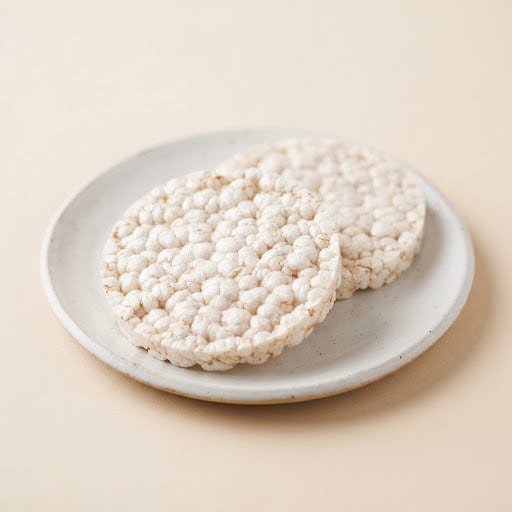
Babies can have plain rice cakes from about 6 months as baby rice rusks softened into a mash, and from 7–8 months as thin strips with a thin spread on top. Large, hard rice cakes can break into sharp, dry pieces, so serve them in strips and stay close. Rice cakes contain some arsenic, so offer them now and then rather than every day.
How to serve rice cakes by age
Shapes and textures change as your baby’s grasp and chewing grow.

6 months
Rice cakes are not a first food in their usual form. If you want to offer one, crumble a plain baby rice rusk into a little breast milk or formula, let it soften completely, and mash it smooth with avocado or fruit puree to serve on a spoon.

7–8 months
Offer a thin, plain rice cake or baby rice rusk that softens quickly in the mouth, broken into a strip about the width of two adult fingers. Spread a thin layer of mashed avocado, hummus or thinned nut butter on top to soften it and add nutrition.

9–12 months
Break rice cakes into smaller bite-size pieces your baby can pick up, and top them with a thin spread. Watch that pieces soften with saliva rather than staying hard and sharp.

12 months +
Toddlers can eat whole rice cakes with toppings like nut butter, mashed banana, cream cheese or smashed beans. Choose plain or lightly salted rice cakes rather than flavored ones.
Why it’s good
Plain rice cakes are mostly carbohydrate and offer little protein, fiber, iron or vitamins on their own. The real nutrition comes from what goes on top, such as nut butter, avocado, hummus or yogurt. Think of them as a carrier for more nourishing foods.
Safety notes
- Plain adult rice cakes are hard and can snap into dry, sharp shards. Serve them in strips with a soft spread, and stay with your baby while they eat.
- Rice takes up more arsenic than other grains, so rice cakes and rice snacks should be an occasional food and rotated with other grains.
- Skip flavored rice cakes, such as caramel, cheddar or chocolate, which add sugar and salt.
- Check that a spread is thin. Thick globs of nut butter on a rice cake can be sticky and hard to swallow.
A low-allergy food, still worth watching
Plain rice cakes are not a common allergen, but some contain other grains, sesame or dairy, so read the label. Rice is a known FPIES trigger in a small number of babies, which causes repeated vomiting a few hours after eating.
Rice cakes for babies: questions parents ask
Quick answers about rice cakes for babies and toddlers.
When can babies have rice cakes?
Babies can have plain rice cakes from about 6 months, softened into a mash at first. From about 7–8 months, thin rice cakes are best served in strips with a thin spread, or as baby rice rusks that soften in the mouth.
Can babies eat rice cakes?
Yes, babies can eat plain rice cakes as an occasional food. Rice cakes have little nutrition on their own and some arsenic, so add a nourishing topping and rotate with other grains.
Are rice cakes a choking hazard for babies?
Rice cakes are a medium choking risk for babies, because hard rice cakes can break into dry, sharp pieces. Serve rice cakes in strips, add a thin spread to soften them, and always supervise eating.
Are rice cakes a common allergen?
No, plain rice cakes are not a common allergen. Some flavored rice cakes contain sesame, dairy or wheat, so read the ingredient list.
How do I serve rice cakes to a 6 month old?
Rice cakes are not a first food for a 6 month old. If you want to offer one, crumble a plain baby rice rusk into breast milk or formula until it softens completely, mash it smooth and offer it on a spoon. Thin rice cake strips with a soft spread can follow at 7–8 months.
Do rice cakes have arsenic?
Yes, rice cakes can contain inorganic arsenic because rice takes it up from soil. Offering rice cakes now and then, and choosing oat, wheat or other grain snacks too, keeps exposure lower.
What can I put on rice cakes for my baby?
Good toppings for rice cakes include mashed avocado, hummus, thinned smooth nut butter, plain yogurt, mashed banana or smashed beans. Keep the layer thin so it is easy to swallow.
Are rice cakes healthy for babies?
Rice cakes are not very nutritious for babies on their own because they are low in protein, fiber and iron. Rice cakes become a better snack when topped with nut butter, avocado or hummus.
The takeaway
- Babies can have plain rice cakes from about 6 months as baby rice rusks softened into a mash, and from 7–8 months as thin strips with a thin spread on top.
- Rice cakes are not a first food in their usual form.
- Choking risk is medium. Not a Top 9 allergen, but offer a small amount first and watch for any reaction.
Read next



Sources
This guide follows current advice from these organizations.
- Starting Solid Foods American Academy of Pediatrics (HealthyChildren.org)
- When, What, and How to Introduce Solid Foods Centers for Disease Control and Prevention
- Choking Hazards Centers for Disease Control and Prevention
- Choking Prevention American Academy of Pediatrics (HealthyChildren.org)
- What You Can Do to Limit Exposure to Arsenic U.S. Food and Drug Administration
Recipes with rice cakes
Track every new food in your baby’s passport
Track the first 100 foods and the Top 9 allergens. 7 days free.
More grains for babies
Updated November 2026. Reviewed by our dietitians. Based on AAP, CDC and NIAID guidance. Written for healthy, full-term babies; not a substitute for your pediatrician. If your baby was born early, has a medical condition, feeding difficulties or a known allergy, check with them first (medical disclaimer). Always stay with your baby while they eat.