
Grains Food Library
When can babies have ramen?
Can babies have ramen?
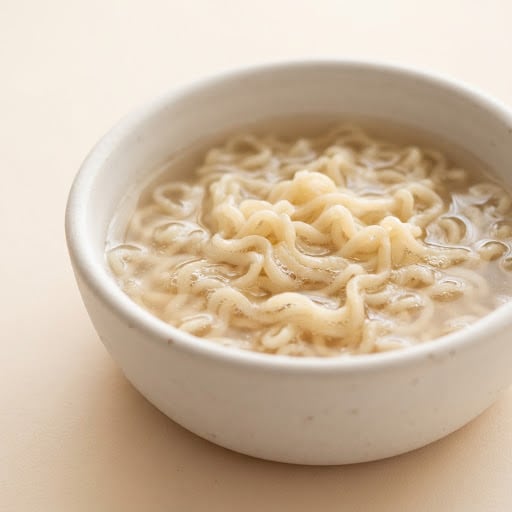
Babies can have ramen noodles from about 6 months if the noodles are cooked soft and served without the seasoning packet. Instant ramen flavor packets and restaurant broths are very high in sodium, so make a homemade low-salt broth or plain noodles instead. Ramen noodles are made from wheat, a common allergen.
How to serve ramen by age
Shapes and textures change as your baby’s grasp and chewing grow.

6 months
Cook ramen noodles until very soft, drain, and skip the seasoning packet. Chop them very finely and blend or mash them with a smooth vegetable puree or a little homemade unsalted broth, then offer it on a spoon.

7–8 months
Leave some soft cooked noodles long so your baby can grab a bundle with a fist, or chop them short and mix with mashed vegetables or finely shredded chicken for spoon or hand feeding. Still skip the seasoning packet.

9–12 months
Cut soft ramen noodles into short pieces, about 1 to 2 inches long, for pincer grasp practice. Toss with a little unsalted butter or oil, finely chopped soft vegetables and shredded meat or crumbled tofu.

12 months +
Toddlers can have ramen as a noodle soup with a homemade or low-sodium broth, soft vegetables, egg and shredded meat. Cool the broth well, cut noodles if they slurp too much at once, and still skip or use only a pinch of any flavor packet.
Why it’s good
Ramen noodles give babies carbohydrates for energy, and some brands use enriched flour that adds B vitamins and a little iron. On their own they are low in protein and fiber, so the nutrition comes from what you add: egg, chicken, tofu, fish and vegetables. Instant ramen is often fried, so fresh or air-dried noodles are a better pick.
Safety notes
- Do not use the instant ramen seasoning packet for babies. A single packet can hold more sodium than a baby should have in a whole day.
- Cook noodles until soft and squishable between your fingers. Raw or crunchy dry ramen is a choking risk and not a snack for babies or toddlers.
- Cool hot broth and noodles well before serving. Soups hold heat and can scald a baby's mouth.
- Long slippery noodles can cause gagging. Stay close and cut noodles shorter if your baby stuffs too much in at once.
- Many ramen noodles contain egg as well as wheat. Check labels if your baby has an egg allergy.
Introduce ramen on its own, then keep it in
Ramen noodles are made from wheat, one of the Top 9 allergens, and some also contain egg. Introduce wheat in a small amount first, watch for hives, vomiting or swelling, and keep wheat in the diet once tolerated.
Ramen for babies: questions parents ask
Quick answers about ramen for babies and toddlers.
When can babies have ramen?
Babies can have ramen noodles from about 6 months, cooked soft and served plain without the seasoning packet. Ramen broth should be homemade or low sodium, because restaurant and instant broths are far too salty for babies.
Can babies have ramen?
Yes, babies can eat soft cooked ramen noodles from 6 months. Leave out the instant flavor packet and season ramen with vegetables, egg, meat or a splash of homemade broth instead.
Is ramen a choking hazard for babies?
Ramen is a low choking risk when the noodles are cooked soft, though babies often gag on long slippery noodles. Dry, uncooked ramen is a choking risk and should never be given as a crunchy snack.
Is ramen a common allergen?
Yes, ramen noodles are a common allergen because they are made from wheat, and many brands also contain egg. Introduce ramen after your baby has tried wheat in a simpler food, and check the ingredient list.
How do I serve ramen to a 6 month old?
To serve ramen to a 6 month old, boil the noodles until very soft, drain them, and throw away the seasoning packet. Chop them finely and blend or mash them with a smooth vegetable puree, then offer it on a spoon. Bundles of long soft noodles to grab can follow at 7–8 months.
Is instant ramen safe for babies?
Instant ramen noodles are safe for babies only if you discard the seasoning packet and cook the noodles soft. Instant ramen is often fried and the flavor packet is very salty, so fresh or air-dried ramen noodles are a healthier choice.
How much sodium is in ramen?
A packet of instant ramen with its seasoning can contain well over 1,000 mg of sodium, which is many times what a baby needs in a day. Plain cooked ramen noodles without the packet are much lower in sodium.
Can toddlers eat ramen broth?
Toddlers can have ramen broth if it is homemade or labeled low sodium, and served in small amounts. Restaurant ramen broth is usually very salty, so share the noodles, egg and vegetables rather than the soup.
How can I make ramen healthier for my baby?
To make ramen healthier for a baby, cook plain noodles in unsalted water and add protein like egg, chicken or tofu plus soft vegetables. Flavor ramen with ginger, garlic, a little sesame oil or homemade stock instead of the seasoning packet.
The takeaway
- Babies can have ramen noodles from about 6 months if the noodles are cooked soft and served without the seasoning packet.
- Cook ramen noodles until very soft, drain, and skip the seasoning packet.
- Choking risk is low. Wheat is one of the Top 9 allergens: offer a small amount first, watch for a reaction, then keep it in the diet regularly.
Read next


Sources
This guide follows current advice from these organizations.
- Starting Solid Foods American Academy of Pediatrics (HealthyChildren.org)
- When, What, and How to Introduce Solid Foods Centers for Disease Control and Prevention
- Choking Hazards Centers for Disease Control and Prevention
- Foods and Drinks to Avoid or Limit Centers for Disease Control and Prevention
- Dietary Guidelines for Americans, 2020-2025 U.S. Department of Agriculture and HHS
- The Effects of Early Nutritional Interventions on the Development of Atopic Disease in Infants and Children Greer FR, Sicherer SH, Burks AW; American Academy of Pediatrics. Pediatrics. 2019;143(4):e20190281
Track every new food in your baby’s passport
Track the first 100 foods and the Top 9 allergens. 7 days free.
More grains for babies
Updated November 2026. Reviewed by our dietitians. Based on AAP, CDC and NIAID guidance. Written for healthy, full-term babies; not a substitute for your pediatrician. If your baby was born early, has a medical condition, feeding difficulties or a known allergy, check with them first (medical disclaimer). Always stay with your baby while they eat.