
Grains Food Library
When can babies have rice noodles?
Can babies have rice noodles?
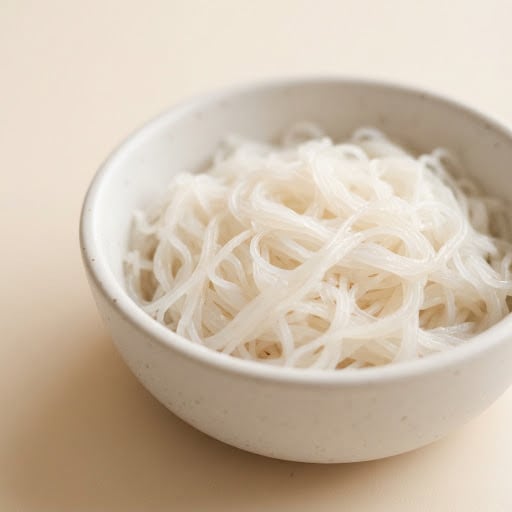
Babies can have rice noodles from about 6 months, cooked until soft. Rice noodles are naturally free of wheat and the other Top 9 allergens, so they are a handy noodle for babies with a wheat allergy. Wide flat rice noodles are the easiest shape for babies to grab.
How to serve rice noodles by age
Shapes and textures change as your baby’s grasp and chewing grow.

6 months
Boil rice noodles until very soft, then chop them very finely and mash or blend them into a smooth vegetable puree or blended meat. Offer it on a spoon.

7–8 months
Toss wide flat rice noodles, cooked until soft and slippery, with a little oil so they do not clump, and offer a few long noodles to grab. You can also chop soft noodles and stir them into lumpier mashed vegetables or minced meat.

9–12 months
Cut soft rice noodles into short pieces, about 1 inch long, and mix with finely chopped soft vegetables, scrambled egg or flaked fish for pincer practice.

12 months +
Toddlers can enjoy rice noodles in mild soups, stir-fries or cold noodle salads with soft vegetables and protein. Go light on fish sauce and soy sauce, which are very salty.
Why it’s good
Rice noodles give babies carbohydrates for energy and are easy to digest. They are low in protein, fiber and iron, so serve rice noodles with iron-rich foods like beef, chicken, tofu, eggs or beans and a vegetable.
Safety notes
- Cook rice noodles until fully soft. Dry or crunchy rice noodles, including fried crispy noodles, are a choking risk.
- Toss cooked rice noodles with a little oil so they do not form a sticky clump that is hard to swallow.
- Rice products can contain some arsenic. Rotate rice noodles with other grains such as oats, wheat, quinoa and barley rather than relying on rice every day.
- Keep sauces like fish sauce, soy sauce and oyster sauce out or to a tiny amount, as they are very high in sodium.
- Check labels on blends. Some rice noodles also contain wheat or tapioca and are made in facilities with other allergens.
A low-allergy food, still worth watching
Rice noodles are not a common allergen and are naturally gluten free. Rice allergy is rare, but watch for any reaction the first few times, and check labels in case a brand adds wheat.
Rice noodles for babies: questions parents ask
Quick answers about rice noodles for babies and toddlers.
When can babies have rice noodles?
Babies can have rice noodles from about 6 months, as soon as they start solids. Rice noodles should be cooked until very soft and served without salty sauces.
Can babies have rice noodles?
Yes, babies can eat rice noodles from 6 months. Rice noodles are soft, mild and gluten free, so they work well for babies who cannot have wheat.
Are rice noodles a choking hazard for babies?
Rice noodles are a low choking risk when they are cooked soft, though long slippery strands can cause gagging. Crispy fried rice noodles and dry uncooked rice noodles are a choking risk and should be avoided.
Are rice noodles a common allergen?
No, rice noodles are not a common allergen. Rice noodles are naturally free of the Top 9 allergens, but check the package in case the brand adds wheat or shares equipment.
How do I serve rice noodles to a 6 month old?
To serve rice noodles to a 6 month old, boil them until very soft, chop them very finely and mash or blend them into a smooth vegetable puree. Offer it on a spoon. Soft wide noodles to grab can follow at 7–8 months.
Do rice noodles contain arsenic?
Rice noodles, like other rice foods, can contain small amounts of arsenic from the soil. Rice noodles are fine in a varied diet, but rotate them with other grains instead of serving rice at every meal.
Are rice noodles gluten free?
Plain rice noodles made from rice flour and water are gluten free. Some brands blend in wheat starch, so read the label if your baby needs to avoid gluten.
Which rice noodles are best for babies?
Wide flat rice noodles, like the kind used for pad see ew or pho, are the easiest rice noodles for babies to hold. Thin rice vermicelli is fine too, but it is easier to serve chopped and mixed into other foods.
Can rice noodles cause constipation in babies?
Rice noodles are low in fiber and may contribute to firmer stools if they make up a big part of the diet. Serve rice noodles with vegetables, fruit and water to help keep stools soft.
The takeaway
- Babies can have rice noodles from about 6 months, cooked until soft.
- Boil rice noodles until very soft, then chop them very finely and mash or blend them into a smooth vegetable puree or blended meat.
- Choking risk is low. Not a Top 9 allergen, but offer a small amount first and watch for any reaction.
Read next


Sources
This guide follows current advice from these organizations.
- Starting Solid Foods American Academy of Pediatrics (HealthyChildren.org)
- When, What, and How to Introduce Solid Foods Centers for Disease Control and Prevention
- Choking Hazards Centers for Disease Control and Prevention
- Foods and Drinks to Avoid or Limit Centers for Disease Control and Prevention
- What You Can Do to Limit Exposure to Arsenic U.S. Food and Drug Administration
Recipes with rice noodles
Track every new food in your baby’s passport
Track the first 100 foods and the Top 9 allergens. 7 days free.
More grains for babies
Updated November 2026. Reviewed by our dietitians. Based on AAP, CDC and NIAID guidance. Written for healthy, full-term babies; not a substitute for your pediatrician. If your baby was born early, has a medical condition, feeding difficulties or a known allergy, check with them first (medical disclaimer). Always stay with your baby while they eat.