
Drinks & extras Food Library
When can babies have Pedialyte?
Can babies have Pedialyte?
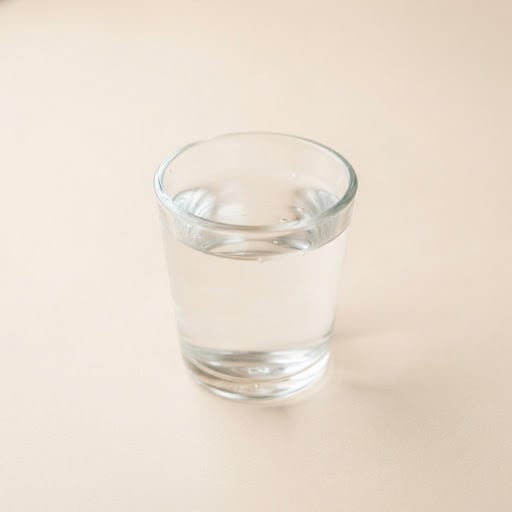
Pedialyte is an oral rehydration solution (ORS), not an everyday drink. For babies under 12 months, use it only when your pediatrician advises it, usually during vomiting or diarrhea. Keep breastfeeding or formula feeding, give the solution in small sips, and do not use it in place of milk or water when your baby is well.
How to serve Pedialyte by age
Shapes and textures change as your baby’s grasp and chewing grow.

6 months
Only give Pedialyte if your pediatrician recommends it. Keep breastfeeding or formula feeding, and offer the solution by spoon, syringe or small cup, about a teaspoon every few minutes, as your doctor directs.

7–8 months
Still only with your pediatrician's advice. Keep up breast milk or formula, give the solution separately in small, frequent sips by spoon, syringe or cup, and do not dilute it or mix it with anything.

9–12 months
Same as before: only with your pediatrician’s advice. Small, frequent sips stay down better than big gulps after vomiting. Do not mix it with formula, breast milk, cow's milk or juice, and do not add water.

12 months +
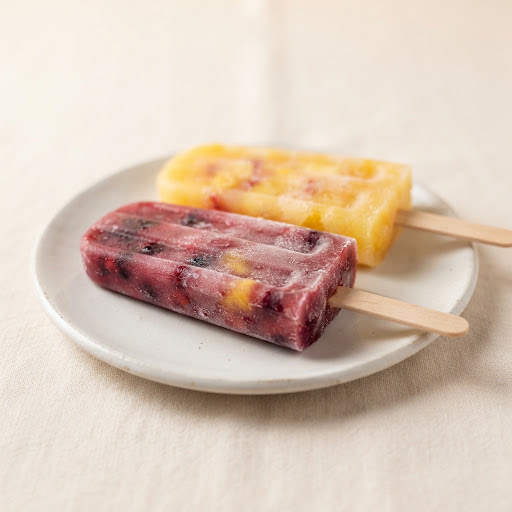
Toddlers can have Pedialyte when they are sick with vomiting or diarrhea. Offer small sips or a frozen ice pop, and go back to normal food and drinks as soon as they are keeping things down.
Why it’s good
Pedialyte replaces the water, sodium, potassium and glucose a child loses through vomiting or diarrhea, in the balance the gut absorbs best. That is why it works better than juice, soda or sports drinks, which have too much sugar and too little sodium for rehydration. When your child is well, they do not need it: breast milk, formula, water and food give them everything.
Safety notes
- For babies under 12 months, ask your pediatrician before giving Pedialyte, and follow their amounts.
- Never dilute Pedialyte or mix it with formula, milk, juice or soda. Changing the balance makes it less effective.
- Do not give Pedialyte as an everyday drink or to “boost hydration” in a healthy child.
- Unflavored is a good choice for babies; flavored versions contain sweeteners. Refrigerate after opening and discard after 48 hours.
- Call your doctor right away for no wet diaper in 6 to 8 hours, no tears, a sunken soft spot, unusual sleepiness, blood in stool, green vomit, or if your child cannot keep any fluid down.
A low-allergy food, still worth watching
Pedialyte is not a Top 9 allergen. Some flavored and powder versions contain sweeteners and dyes, so read the label if your child reacts to them.
Pedialyte for babies: questions parents ask
Quick answers about Pedialyte for babies and toddlers.
Can babies have Pedialyte?
Babies under 12 months should only have Pedialyte if their pediatrician recommends it, usually during vomiting or diarrhea. Children over 1 can have it when sick, in small, frequent sips.
When can babies have Pedialyte?
Pedialyte is used when a baby is losing fluids from vomiting or diarrhea. For babies under 1 year, call your pediatrician first, who will tell you if it is needed and how much to give.
How much Pedialyte can I give my baby?
Your pediatrician will give you an amount based on your baby’s age and weight. A common approach is a teaspoon (5 mL) every few minutes, slowly increasing if your baby keeps it down.
Can I mix Pedialyte with formula or breast milk?
No. Pedialyte should not be mixed with formula, breast milk, juice or water. Give it separately and keep feeding breast milk or formula as usual.
Is Pedialyte better than Gatorade for a sick baby?
Yes. Sports drinks have more sugar and less sodium than an oral rehydration solution, so they are not a good choice for a dehydrated baby or toddler.
Can my baby drink Pedialyte every day?
No. Pedialyte is meant for rehydration during illness, not as a daily drink. A healthy baby gets the fluid they need from breast milk or formula, plus sips of water after 6 months.
What are signs of dehydration in a baby?
Fewer wet diapers, a dry mouth, no tears when crying, a sunken soft spot and unusual sleepiness are signs of dehydration. Call your doctor right away if you notice them.
Can babies have Pedialyte freezer pops?
Freezer pops are a good way for toddlers to take Pedialyte slowly. For babies under 12 months, give the liquid by spoon or syringe, as your doctor directs.
Is Pedialyte good for babies?
Pedialyte can help babies who are losing fluids from vomiting or diarrhea, but for babies under 12 months use it only if your pediatrician advises it. It is not an everyday drink, so keep breastfeeding or formula feeding and give the solution in small sips as your doctor directs.
Is Pedialyte good for toddlers?
Pedialyte is good for toddlers who are sick with vomiting or diarrhea, because it replaces water, sodium and potassium better than juice or sports drinks. Offer small sips or a frozen ice pop, but do not use it as a daily drink when your toddler is well.
The takeaway
- Pedialyte is an oral rehydration solution (ORS), not an everyday drink.
- Only give Pedialyte if your pediatrician recommends it.
- Choking risk is low. Not a Top 9 allergen, but offer a small amount first and watch for any reaction.
Read next


Sources
This guide follows current advice from these organizations.
- Starting Solid Foods American Academy of Pediatrics (HealthyChildren.org)
- When, What, and How to Introduce Solid Foods Centers for Disease Control and Prevention
- Choking Hazards Centers for Disease Control and Prevention
- Recommended Drinks for Young Children Ages 0-5 American Academy of Pediatrics (HealthyChildren.org)
- Foods and Drinks to Avoid or Limit Centers for Disease Control and Prevention
Track every new food in your baby’s passport
Track the first 100 foods and the Top 9 allergens. 7 days free.
More drinks and extras for babies
Updated November 2026. Reviewed by our dietitians. Based on AAP, CDC and NIAID guidance. Written for healthy, full-term babies; not a substitute for your pediatrician. If your baby was born early, has a medical condition, feeding difficulties or a known allergy, check with them first (medical disclaimer). Always stay with your baby while they eat.