
Drinks & extras Food Library
When can babies have water?
Can babies have water?
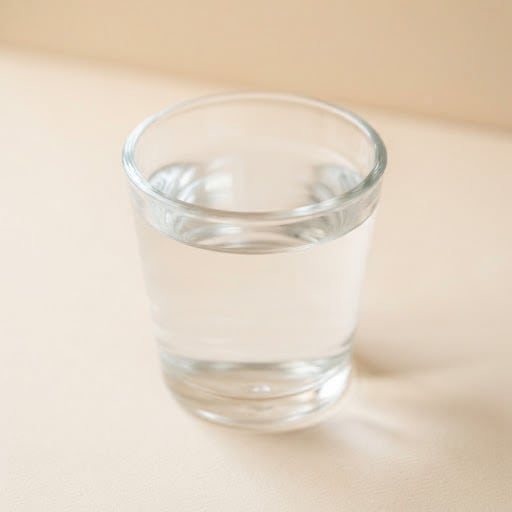
Babies can have small sips of water from about 6 months, offered in an open or straw cup with meals. Before 6 months, breast milk or formula covers all of a baby's fluid needs, so water is not needed unless your pediatrician advises it. From 6–12 months, about 4 to 8 ounces a day is plenty.
How to serve water by age
Shapes and textures change as your baby’s grasp and chewing grow.

6 months
Offer a few sips of plain water in an open cup or straw cup at meals. Hold the open cup for your baby and tip only a small amount to their lips at a time. Most babies drink very little at first, and that is fine.

7–8 months
Keep offering small sips of water with meals in an open or straw cup, and let your baby start to help hold it. Breast milk or formula stays the main drink, and water stays at about 4 to 8 ounces a day or less.

9–12 months
Keep offering water with each meal and snack, up to about 4 to 8 ounces a day in total. Let your baby practice holding the cup, and keep breast milk or formula as the main drink.

12 months +
Water and whole cow's milk (or breast milk) are now the main drinks. Offer water with meals and between them, especially in hot weather or when your toddler is active, and let thirst guide how much they drink.
Why it’s good
Water keeps babies hydrated as they eat more solid food and helps soften stools as fiber intake rises. Tap water with fluoride helps protect developing teeth. Practicing with a cup also builds the mouth and hand skills babies need to drink on their own.
Safety notes
- Do not give water to babies under 6 months unless your pediatrician advises it. Too much water can fill a young baby up, lower breast milk or formula intake and, in rare cases, cause dangerously low sodium levels.
- Never water down formula. Always mix formula exactly as the package directs.
- If you use well water, have it tested for nitrates, bacteria and other contaminants before giving it to your baby or using it for formula.
- Keep water to about 4 to 8 ounces a day from 6–12 months so it does not replace breast milk or formula.
- Skip flavored waters, sparkling waters with added sugar or sweeteners, and sports drinks. Plain water is all babies and toddlers need.
A low-allergy food, still worth watching
Water is not an allergen. Flavored or enhanced waters can contain other ingredients, so stick with plain water for babies and toddlers.
Water for babies: questions parents ask
Quick answers about water for babies and toddlers.
When can babies have water?
Babies can have water from about 6 months, when they start solid foods. Offer small sips from an open or straw cup with meals. Before 6 months, babies get all the fluid they need from breast milk or formula.
Can babies drink water before 6 months?
Babies under 6 months should not be given water unless a pediatrician recommends it. Water can fill a young baby's small stomach, reduce feeding, and in large amounts can lead to water intoxication, a rare but serious condition.
Is water a choking hazard for babies?
Water is not a common choking hazard, but babies often cough or gag a little while learning to drink from a cup. Seat your baby upright, offer a small amount at a time, and stay with them while they drink water.
Is water a common allergen?
Water is not a common allergen and is not one of the Top 9 food allergens. Plain tap or bottled water is safe for babies over 6 months.
How do I give water to a 6 month old?
To give water to a 6 month old, pour an ounce or two into a small open cup or straw cup and offer it during meals. Hold the open cup for your baby and let them take small sips. Do not worry if your baby drinks very little water at first.
How much water does a baby need?
Babies 6–12 months need only about 4 to 8 ounces of water a day, since breast milk or formula still provides most fluids. Toddlers 12–24 months need more, about 8 to 32 ounces of water a day depending on activity and weather.
Is tap water safe for babies?
Tap water from a public supply is generally safe for babies over 6 months and usually contains fluoride, which helps prevent cavities. If you have well water or older pipes that may contain lead, have your water tested and ask your pediatrician or local health department.
Do I need to boil water for my baby?
Water for babies over 6 months to drink does not usually need boiling if it comes from a safe public supply. Some health authorities suggest boiling and cooling water for formula for young babies, and boiling is needed during a boil-water advisory. Ask your pediatrician what is right for your area.
Should babies drink from a sippy cup or open cup?
Babies can learn to drink water from an open cup or a straw cup from 6 months, and both support healthy mouth development. Many feeding experts suggest skipping spouted sippy cups, or using them only briefly.
Can water help a constipated baby?
Water can help soften stools in babies over 6 months, especially as they eat more solid food. Offer water with meals along with high-fiber foods like pears, prunes and oats, and call your pediatrician if constipation lasts or your baby seems uncomfortable.
What kind of water can babies drink?
Babies over 6 months can drink plain tap water from a safe public supply or plain bottled water, offered in small sips from an open or straw cup. Tap water usually contains fluoride, which helps protect teeth. Have well water tested before using it, and skip flavored or sweetened waters.
The takeaway
- Babies can have small sips of water from about 6 months, offered in an open or straw cup with meals.
- Offer a few sips of plain water in an open cup or straw cup at meals.
- Choking risk is low. Not a Top 9 allergen, but offer a small amount first and watch for any reaction.
Read next

Sources
This guide follows current advice from these organizations.
- Starting Solid Foods American Academy of Pediatrics (HealthyChildren.org)
- When, What, and How to Introduce Solid Foods Centers for Disease Control and Prevention
- Choking Hazards Centers for Disease Control and Prevention
- Recommended Drinks for Young Children Ages 0-5 American Academy of Pediatrics (HealthyChildren.org)
- Foods and Drinks to Avoid or Limit Centers for Disease Control and Prevention
- Dietary Guidelines for Americans, 2020-2025 U.S. Department of Agriculture and HHS
- Infant Methemoglobinemia: The Role of Dietary Nitrate in Food and Water Greer FR, Shannon M; American Academy of Pediatrics. Pediatrics. 2005;116(3):784-786
Track every new food in your baby’s passport
Track the first 100 foods and the Top 9 allergens. 7 days free.
More drinks and extras for babies
Updated November 2026. Reviewed by our dietitians. Based on AAP, CDC and NIAID guidance. Written for healthy, full-term babies; not a substitute for your pediatrician. If your baby was born early, has a medical condition, feeding difficulties or a known allergy, check with them first (medical disclaimer). Always stay with your baby while they eat.