
Drinks & extras Food Library
When can babies have palm oil?
Can babies have palm oil?
Babies can have palm oil from about 6 months as a cooking fat in small amounts. Palm oil is not a common allergen, but it is high in saturated fat, so it works best as one of several oils rather than the main fat in your baby's diet. Palm oil is also found in many infant formulas and packaged foods.
How to serve palm oil by age
Shapes and textures change as your baby’s grasp and chewing grow.

6 months
Stir a few drops of melted palm oil into smooth purees like sweet potato or beans, or use a little to cook vegetables or meat before blending them. Warm solid palm oil until liquid and mix it in well so there are no waxy lumps.

7–8 months
Use a small amount of melted palm oil to cook vegetables, eggs or meat for lumpier mashes, or for soft vegetable pieces that squash easily between your fingers. Rotate it with other oils so your baby gets a mix of fats.

9–12 months
Keep using palm oil as a cooking fat in family dishes such as stews, soups and sauces with finger-food pieces of soft vegetables or beans. Rotate it with other oils like olive or canola so your baby gets a mix of fats.

12 months +
Toddlers can eat family meals cooked with palm oil, such as West African stews and rice dishes. Keep portions of fried and packaged foods made with palm oil occasional, since those foods are often high in salt or sugar too.
Why it’s good
Palm oil gives babies concentrated energy and fat, which help with growth and brain development. Unrefined red palm oil is naturally rich in carotenoids that the body turns into vitamin A, plus vitamin E. Palm oil is high in saturated fat, so mixing it with oils rich in unsaturated fats gives a better balance.
Safety notes
- Palm oil is solid or semi-solid at cool room temperature. Always melt it and mix it fully into food so your baby does not get waxy lumps.
- Hot oil burns easily. Let food cool before serving and keep pans and oil out of reach.
- Palm oil is high in saturated fat. Use it in small amounts and rotate it with oils such as olive, canola or avocado oil.
- Many packaged snacks, cookies and spreads contain palm oil along with added sugar and salt. Check labels and keep these foods occasional.
- Store red palm oil sealed and away from heat and light, and throw it out if it smells sharp or rancid.
A low-allergy food, still worth watching
Palm oil is not one of the Top 9 allergens, and reactions are very rare because refined oils contain almost no protein. Palm oil is different from palm kernel oil, and neither is a tree nut, but watch for any rash or tummy upset the first time as with any new food.
Palm oil for babies: questions parents ask
Quick answers about palm oil for babies and toddlers.
When can babies have palm oil?
Babies can have palm oil from about 6 months, when they start eating solid foods. Palm oil should be used in small amounts as a cooking fat, alongside other oils.
Can babies have palm oil?
Yes, babies can eat palm oil in food from 6 months. Palm oil is safe as a cooking fat, but it is high in saturated fat, so it is best rotated with oils like olive or canola oil.
Is palm oil a choking hazard for babies?
Liquid palm oil is a low choking risk for babies when it is mixed into food. Palm oil can firm up at room temperature, so melt it and stir it in well so there are no waxy lumps.
Is palm oil a common allergen?
No, palm oil is not a common allergen and is not one of the Top 9 allergens. Allergic reactions to palm oil are very rare.
How do I serve palm oil to a 6 month old?
To serve palm oil to a 6 month old, melt a small amount and stir a few drops into a smooth puree, or use it to cook vegetables or meat before blending them. Make sure the palm oil is fully mixed in and the food has cooled before serving.
Is palm oil in baby formula safe?
Palm oil in infant formula is considered safe and is used to match the fat profile of breast milk. Some studies suggest formulas with palm olein may slightly reduce calcium absorption or firm up stools, so talk to your pediatrician if you have concerns about your baby's formula.
What is the difference between red palm oil and refined palm oil?
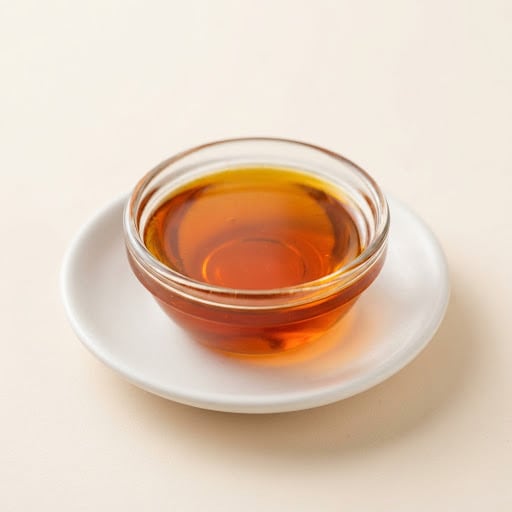
Red palm oil is unrefined, keeps its orange-red color and is rich in carotenoids and vitamin E. Refined palm oil is pale and neutral in flavor, with most of those nutrients removed, so red palm oil gives babies more nutrition.
Is palm oil the same as palm kernel oil?
No, palm oil and palm kernel oil are different. Palm oil comes from the fruit flesh of the oil palm, while palm kernel oil comes from the seed and is even higher in saturated fat, so palm oil is the better choice for cooking for babies.
Should I avoid foods with palm oil for my baby?
Palm oil itself does not need to be avoided, but many packaged foods that contain palm oil are also high in sugar, salt and refined flour. Focus on home-cooked meals and keep processed snacks with palm oil occasional.
Is palm oil bad for babies?
Palm oil is not bad for babies in small amounts, and it is safe as a cooking fat from about 6 months. The concerns are that it is high in saturated fat and common in salty or sugary packaged foods, so rotate it with olive or canola oil and keep processed snacks occasional.
The takeaway
- Babies can have palm oil from about 6 months as a cooking fat in small amounts.
- Stir a few drops of melted palm oil into smooth purees like sweet potato or beans, or use a little to cook vegetables or meat before blending them.
- Choking risk is low. Not a Top 9 allergen, but offer a small amount first and watch for any reaction.
Read next


Sources
This guide follows current advice from these organizations.
- Starting Solid Foods American Academy of Pediatrics (HealthyChildren.org)
- When, What, and How to Introduce Solid Foods Centers for Disease Control and Prevention
- Choking Hazards Centers for Disease Control and Prevention
- Recommended Drinks for Young Children Ages 0-5 American Academy of Pediatrics (HealthyChildren.org)
- Foods and Drinks to Avoid or Limit Centers for Disease Control and Prevention
- Dietary Guidelines for Americans, 2020-2025 U.S. Department of Agriculture and HHS
Track every new food in your baby’s passport
Track the first 100 foods and the Top 9 allergens. 7 days free.
More drinks and extras for babies
Updated November 2026. Reviewed by our dietitians. Based on AAP, CDC and NIAID guidance. Written for healthy, full-term babies; not a substitute for your pediatrician. If your baby was born early, has a medical condition, feeding difficulties or a known allergy, check with them first (medical disclaimer). Always stay with your baby while they eat.