
Drinks & extras Food Library
When can babies have molasses?
Can babies have molasses?
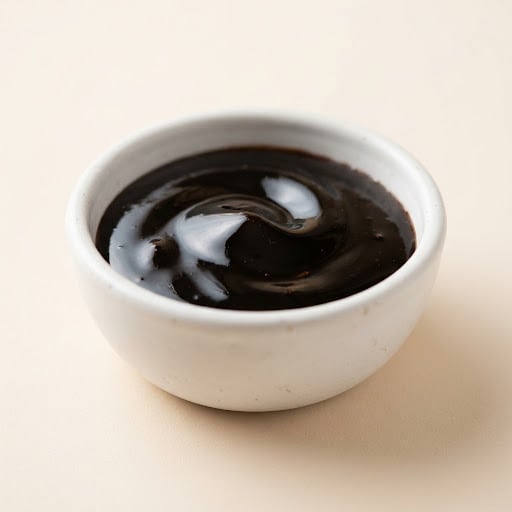
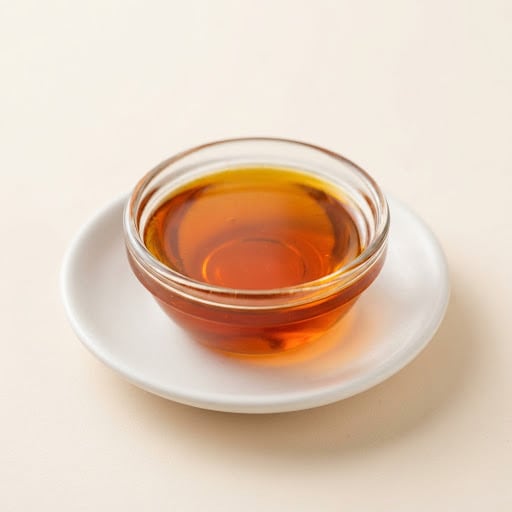
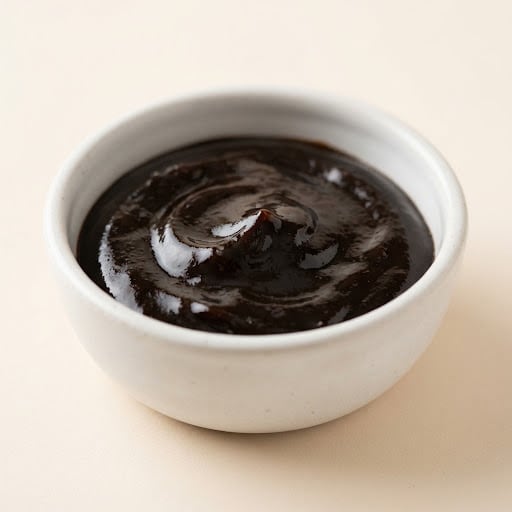
Babies should wait until 12 months for molasses, and even then it is best used in small amounts as an occasional sweetener. Molasses is a concentrated added sugar, and the AAP advises limiting added sugars before age 2. Thick, sticky molasses on its own can also be hard for little ones to swallow, so mix it into batters and sauces.
How to serve molasses by age
Shapes and textures change as your baby’s grasp and chewing grow.

6 months
Do not offer molasses at this age. For a little natural sweetness, stir smooth mashed ripe banana, unsweetened applesauce or pureed prunes into cereal or yogurt instead.

7–8 months
Keep skipping molasses, and check labels on baby snacks and baked goods. A pinch of cinnamon or ginger with mashed fruit, or pureed dates in homemade baking, can add warm flavor without added sugar.

9–12 months
Keep skipping molasses, and check labels on baby snacks and baked goods. A pinch of cinnamon or ginger with mashed fruit can give warm flavor without added sugar.

12 months +
Molasses is an added sugar, so it is best saved until after 2 years, like other sweeteners. Before then, sweeten baked goods with mashed banana, applesauce or pureed dates. Avoid giving spoonfuls of thick molasses on its own.
Why it’s good
Molasses is mostly sugar, though it contains more minerals than white sugar, including potassium, calcium and some iron, especially in blackstrap molasses. The small amounts used in cooking do not add meaningful nutrition for toddlers. Iron-rich foods like meat, beans and fortified cereal are far better sources of iron.
Safety notes
- Wait until 12 months, then keep molasses occasional. It is an added sugar, and added sugars are best limited before age 2.
- Do not serve spoonfuls of plain molasses. It is thick and sticky and can be hard to swallow; mix it into batters, sauces and oatmeal instead.
- Sticky, sugary foods cling to teeth. Brush your toddler's teeth after foods sweetened with molasses.
- Do not use blackstrap molasses as an iron supplement or constipation remedy for babies. Talk to your pediatrician about iron or constipation instead.
- Store-bought baked beans and barbecue sauces made with molasses are often high in sugar and sodium. Rinse or choose low-sodium versions.
A low-allergy food, still worth watching
Molasses is not a common allergen, and reactions are very rare. Baked goods made with molasses often contain wheat, egg or dairy, so watch for reactions to those ingredients.
Molasses for babies: questions parents ask
Quick answers about molasses for babies and toddlers.
When can babies have molasses?
Babies can have molasses after 12 months, in small amounts baked into foods. Before 12 months, molasses is best avoided because it is a concentrated added sugar.
Can babies have molasses?
Babies under 12 months should not eat molasses. Toddlers can have small amounts baked into foods like muffins or baked beans as an occasional treat.
Is molasses a choking hazard for babies?
Molasses can be a choking risk on its own because it is thick and sticky and can coat the mouth and throat. Mixed into batters, sauces or oatmeal, molasses is a low risk.
Is molasses a common allergen?
No, molasses is not a common allergen. Foods made with molasses, like gingerbread, often contain wheat, egg or dairy.
How do I serve molasses to a 6 month old?
Molasses should not be served to a 6 month old. Use mashed banana, applesauce or pureed fruit to add natural sweetness to baby foods instead.
Can I give my baby blackstrap molasses for iron?
Blackstrap molasses should not be used as an iron supplement for babies. Talk to your pediatrician about iron, and offer iron-rich foods like meat, beans, lentils and iron-fortified cereal.
Can molasses help with baby constipation?
Molasses is not recommended as a constipation remedy for babies under 12 months. For constipation, try pears, prunes and water with meals, and ask your pediatrician for advice.
Is molasses healthier than sugar for toddlers?
Molasses has a few more minerals than white sugar, but it is still an added sugar. Toddlers under 2 should have as little added sugar as possible.
Can toddlers eat gingerbread cookies with molasses?
Gingerbread cookies are a sweet treat best saved until after age 2; then offer a soft cookie occasionally. Choose soft cookies rather than hard, crunchy ones, and keep sweets occasional.
The takeaway
- Babies should wait until 12 months for molasses, and even then it is best used in small amounts as an occasional sweetener.
- Molasses is an added sugar, so it is best saved until after 2 years, like other sweeteners.
- Choking risk is medium. Not a Top 9 allergen, but offer a small amount first and watch for any reaction.
Read next

Sources
This guide follows current advice from these organizations.
- Starting Solid Foods American Academy of Pediatrics (HealthyChildren.org)
- When, What, and How to Introduce Solid Foods Centers for Disease Control and Prevention
- Choking Hazards Centers for Disease Control and Prevention
- Choking Prevention American Academy of Pediatrics (HealthyChildren.org)
- Recommended Drinks for Young Children Ages 0-5 American Academy of Pediatrics (HealthyChildren.org)
- Foods and Drinks to Avoid or Limit Centers for Disease Control and Prevention
- Dietary Guidelines for Americans, 2020-2025 U.S. Department of Agriculture and HHS
Track every new food in your baby’s passport
Track the first 100 foods and the Top 9 allergens. 7 days free.
More drinks and extras for babies
Updated November 2026. Reviewed by our dietitians. Based on AAP, CDC and NIAID guidance. Written for healthy, full-term babies; not a substitute for your pediatrician. If your baby was born early, has a medical condition, feeding difficulties or a known allergy, check with them first (medical disclaimer). Always stay with your baby while they eat.