
Drinks & extras Food Library
When can babies have marshmallows?
Can babies have marshmallows?
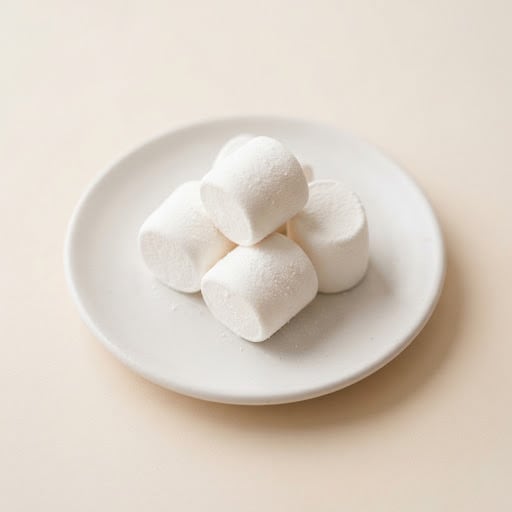
Marshmallows are best avoided until at least 2 years, and many families wait until age 4. Marshmallows are a high choking risk because they are squishy, sticky and can mold to the shape of a child's airway. They are also almost pure sugar, so they are an occasional treat, not a baby food.
How to serve marshmallows by age
Shapes and textures change as your baby’s grasp and chewing grow.

6 months
Do not offer marshmallows at this age. If your baby wants to join in a treat time, offer a spoonful of smooth mashed fruit or plain yogurt instead.

7–8 months
Marshmallows are still not suitable. If your baby wants to join in, give a soft, safe alternative like a ripe banana spear, a soft toast strip or lumpy mashed fruit.

9–12 months
Marshmallows are still not suitable. Keep them out of reach, along with marshmallow cereal and snack mixes, and watch older siblings who may share.

12 months +
Wait until at least 2 years. After that, cut marshmallows into small pieces or melt them into a recipe like a crispy rice treat, and have your child sit down and eat slowly with you watching. Avoid whole mini marshmallows and marshmallow-stuffing games until at least age 4.
Why it’s good
Marshmallows are made mostly of sugar, corn syrup and gelatin, and give no useful nutrition for babies or toddlers. US dietary guidelines advise no added sugars before age 2. After that, marshmallows are a sometimes treat.
Safety notes
- Marshmallows are a high choking risk. Their soft, sticky texture can compress and seal the airway, and they are hard to dislodge.
- Mini marshmallows are not safer. Their size is just right to slip into a small airway, so cut them or wait until age 4.
- Never let children play games like stuffing many marshmallows into the mouth, and never let them eat while running, lying down or in the car.
- Toasted marshmallows can be very hot inside and stick to the skin. Let them cool fully before giving them to a child.
- Most marshmallows contain gelatin, often from pork. Some brands contain egg white, and vegan versions may contain soy, so check labels for allergens.
A low-allergy food, still worth watching
Marshmallows are not a common allergen in themselves, but some brands contain egg white or soy and many are made in facilities with other allergens. Read labels and watch for hives, vomiting or swelling, especially if your child has an egg allergy.
Marshmallows for babies: questions parents ask
Quick answers about marshmallows for babies and toddlers.
When can babies have marshmallows?
Babies should not have marshmallows; wait until at least 2 years old, and preferably age 4 for whole mini marshmallows. Marshmallows are a high choking risk and are made mostly of sugar.
Can babies have marshmallows?
No, babies should not eat marshmallows. Marshmallows can block a baby's airway, and health experts advise no added sugar before age 2.
Are marshmallows a choking hazard for babies?
Yes, marshmallows are a high choking hazard for babies and young children. Marshmallows are squishy and sticky and can mold to the airway, which makes them hard to cough out.
Are marshmallows a common allergen?
Marshmallows are not a common allergen, but some marshmallows contain egg white or soy. Check the ingredient list if your child has a food allergy.
How do I serve marshmallows to a 6 month old?
Marshmallows should not be served to a 6 month old. Offer smooth, nutritious foods like mashed fruit, avocado or yogurt on a spoon instead, and save marshmallows until after age 2.
Are mini marshmallows safer than big marshmallows?
No, mini marshmallows are not safer than big marshmallows for young children. Mini marshmallows are about the right size to block a small airway, so cut them into small pieces or wait until age 4.
Why are marshmallows such a big choking risk?
Marshmallows are a big choking risk because they are soft enough to squeeze into the airway yet sticky enough to stay stuck there. Unlike crumbly foods, a marshmallow does not break apart easily when a child coughs.
Can toddlers have marshmallows in hot chocolate?
Toddlers over 2 can have a marshmallow in hot chocolate if it is fully melted and the drink has cooled. Small floating marshmallows can be sucked in whole, so stir until they dissolve or skip them for young toddlers.
Do marshmallows contain gelatin?
Yes, most marshmallows contain gelatin, often made from pork. Vegetarian and vegan marshmallows use other gelling agents, so check the label if your family avoids pork or animal products.
The takeaway
- Marshmallows are best avoided until at least 2 years, and many families wait until age 4.
- Wait until at least 2 years.
- Choking risk is high. Not a Top 9 allergen, but offer a small amount first and watch for any reaction.
Read next

Sources
This guide follows current advice from these organizations.
- Starting Solid Foods American Academy of Pediatrics (HealthyChildren.org)
- When, What, and How to Introduce Solid Foods Centers for Disease Control and Prevention
- Choking Hazards Centers for Disease Control and Prevention
- Choking Prevention American Academy of Pediatrics (HealthyChildren.org)
- Recommended Drinks for Young Children Ages 0-5 American Academy of Pediatrics (HealthyChildren.org)
- Foods and Drinks to Avoid or Limit Centers for Disease Control and Prevention
Track every new food in your baby’s passport
Track the first 100 foods and the Top 9 allergens. 7 days free.
More drinks and extras for babies
Updated November 2026. Reviewed by our dietitians. Based on AAP, CDC and NIAID guidance. Written for healthy, full-term babies; not a substitute for your pediatrician. If your baby was born early, has a medical condition, feeding difficulties or a known allergy, check with them first (medical disclaimer). Always stay with your baby while they eat.