
Herbs & spices Food Library
When can babies have ginger?
Can babies have ginger?
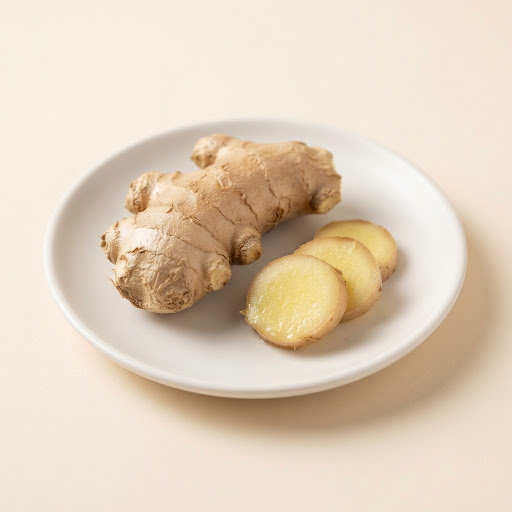
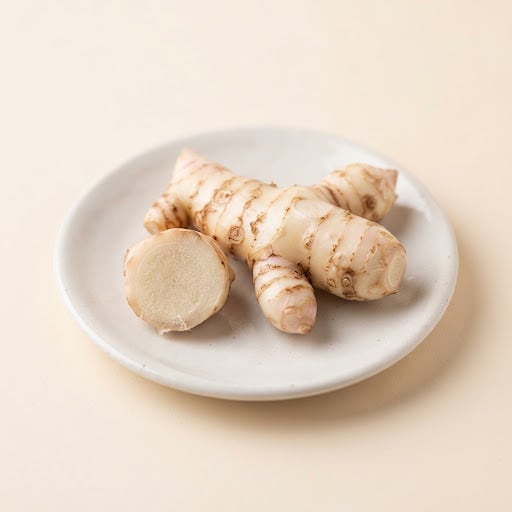
Babies can have ginger from about 6 months as a flavoring, finely grated or ground and cooked into food. Thick pieces of fresh, pickled or candied ginger are firm and fibrous and can be a choking hazard, so keep those for older kids. A small pinch adds warm flavor to fruit, oatmeal, vegetables and curries.
How to serve ginger by age
Shapes and textures change as your baby’s grasp and chewing grow.

6 months
Stir a little finely grated fresh ginger or a pinch of ground ginger into a smooth puree like sweet potato, applesauce, pear, oatmeal or lentils, and offer it on a spoon. Start small, since ginger has a warm bite.

7–8 months
Season thicker, lumpier mashes like fork-mashed sweet potato, pear or lentils with grated or ground ginger. You can also use it on soft-cooked vegetables or baked fruit that squash easily between your fingers, and remove any slices of ginger root before serving.

9–12 months
Season family dishes like stir-fries, soups, curries and baked fruit with grated or ground ginger. Remove any slices or chunks of ginger root before serving.

12 months +
Toddlers can enjoy ginger in family meals and baked goods. Wait on candied and pickled ginger pieces, which are chewy and firm, and keep gingersnap cookies an occasional treat.
Why it’s good
Ginger is used in small amounts, so it adds flavor more than nutrition. Ginger contains plant compounds called gingerols and small amounts of minerals. Its warm taste can make vegetables and fruits more interesting for babies learning new flavors.
Safety notes
- Do not serve slices, chunks or matchsticks of fresh ginger root. The root is firm and fibrous and can be a choking hazard; grate it finely or use ground ginger.
- Candied and pickled ginger are firm, chewy and often high in sugar or salt. Wait until your child is an experienced chewer and keep it occasional.
- Do not give ginger tea, ginger ale or ginger supplements to babies. Babies under 12 months only need breast milk, formula and small sips of water.
- Large amounts of ginger can cause tummy upset or heartburn. Stick to a pinch in food.
- Fresh ginger can irritate sensitive skin, so wipe your baby's face after meals if you see redness.
A low-allergy food, still worth watching
Ginger is not a common allergen, and true ginger allergy is rare. Watch for hives, swelling or vomiting the first time, and note that redness around the mouth is often skin irritation.
Ginger for babies: questions parents ask
Quick answers about ginger for babies and toddlers.
When can babies have ginger?
Babies can have ginger from about 6 months, finely grated or ground and cooked into food. Start with a small pinch, since ginger has a strong, warm flavor.
Can babies have ginger?
Yes, babies can eat ginger as a seasoning in small amounts. Ginger should not be served as slices or chunks of root, which are too firm to chew safely.
Is ginger a choking hazard for babies?
Ginger can be a choking hazard when served as thick pieces of fresh, candied or pickled ginger. Finely grated or ground ginger mixed into food is a low risk for babies.
Is ginger a common allergen?
No, ginger is not a common allergen and is not one of the Top 9 allergens. Reactions to ginger are rare, but watch for signs of a reaction when you first offer it.
How do I serve ginger to a 6 month old?
To serve ginger to a 6 month old, stir a small pinch of ground ginger or finely grated fresh ginger into a warm puree like pear, sweet potato or carrot. Taste first to make sure the flavor is gentle.
Can babies drink ginger tea?
Babies under 12 months should not drink ginger tea because they only need breast milk, formula and small sips of water. For toddlers, ginger tea is not needed, and you should ask your pediatrician before using it as a remedy.
Can ginger help a baby with an upset tummy?
There is not enough evidence to use ginger as a remedy for upset tummies or nausea in babies. If your baby is vomiting, has diarrhea or seems unwell, contact your pediatrician.
Can toddlers have ginger ale?
Ginger ale is a soda with added sugar and very little real ginger, so it is not recommended for toddlers. Breast milk or formula are the best drinks for babies, and water and milk for toddlers.
When can kids eat candied ginger?
Kids can try small pieces of candied ginger once they are confident chewers, usually around age 4 or older. Candied ginger is high in sugar, so keep it an occasional treat.
Is ginger good for babies?
Yes, ginger is fine for babies under 1 year as a seasoning from about 6 months, finely grated or ground and cooked into food. A small pinch adds warm flavor to pear, sweet potato, oatmeal or lentils. Skip ginger tea and ginger ale, and never serve slices of ginger root, which are a choking risk.
Is ginger good for toddlers?
Yes, ginger is fine for toddlers 12 months and older as a seasoning in family meals, stir-fries, soups and baked goods, though it adds flavor more than nutrition. Wait on candied and pickled ginger pieces, which are chewy and high in sugar or salt, and skip ginger ale, which is a sugary soda.
The takeaway
- Babies can have ginger from about 6 months as a flavoring, finely grated or ground and cooked into food.
- Stir a little finely grated fresh ginger or a pinch of ground ginger into a smooth puree like sweet potato, applesauce, pear, oatmeal or lentils, and offer it on a spoon.
- Choking risk is medium. Not a Top 9 allergen, but offer a small amount first and watch for any reaction.
Read next



Sources
This guide follows current advice from these organizations.
- Starting Solid Foods American Academy of Pediatrics (HealthyChildren.org)
- When, What, and How to Introduce Solid Foods Centers for Disease Control and Prevention
- Choking Hazards Centers for Disease Control and Prevention
- Choking Prevention American Academy of Pediatrics (HealthyChildren.org)
Track every new food in your baby’s passport
Track the first 100 foods and the Top 9 allergens. 7 days free.
Recipes with ginger
More herbs and spices for babies
Updated November 2026. Reviewed by our dietitians. Based on AAP, CDC and NIAID guidance. Written for healthy, full-term babies; not a substitute for your pediatrician. If your baby was born early, has a medical condition, feeding difficulties or a known allergy, check with them first (medical disclaimer). Always stay with your baby while they eat.