
Drinks & extras Food Library
When can babies have MSG?
Can babies have MSG?
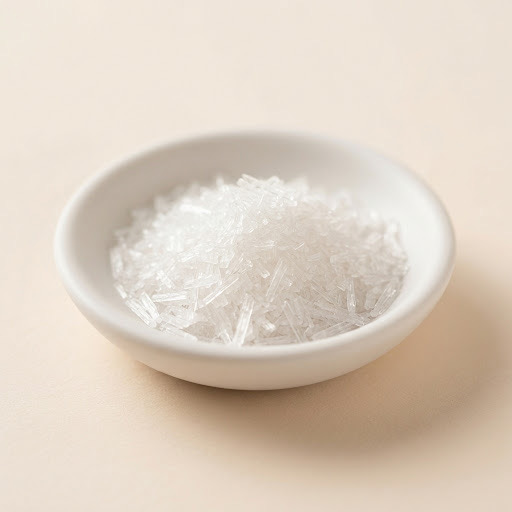
MSG (monosodium glutamate, sold as Ajinomoto) is best not added to a baby's food before 2 years. MSG is not dangerous in the small amounts found in family dishes, but it adds sodium and babies do not need extra seasoning salts. Babies can have a little family food that contains MSG, and after age 2 it can be used sparingly like salt.
How to serve MSG by age
Shapes and textures change as your baby’s grasp and chewing grow.

6 months
Do not add MSG to your baby's food. For savory flavor in smooth purees, cook with naturally umami foods like tomatoes, mushrooms or homemade unsalted broth, and take baby's portion out before seasoning the family dish.

7–8 months
Keep MSG out of your baby's food as they move to lumpier mashes and soft pieces. Use tomatoes, mushrooms, garlic, onion and mild herbs for flavor instead, and set baby's portion aside before seasoning.

9–12 months
Keep MSG out of foods made for your baby. A taste of a family dish that contains a little MSG is fine now and then, but rely on herbs, garlic, ginger and spices for flavor.

12 months +
Toddlers can have family meals that contain a small amount of MSG occasionally. Before age 2, avoid adding it to their food, and after 2, use it sparingly and count it toward total salt.
Why it’s good
MSG adds no meaningful nutrition for babies. It is a seasoning made of glutamate, an amino acid found naturally in foods like tomatoes, cheese and breast milk, plus sodium. MSG contains about a third of the sodium of table salt, but any added sodium counts for little kids.
Safety notes
- Do not add MSG to foods made for babies under 2. Pediatric guidance advises limiting added salt and salty seasonings in the first years.
- Watch for hidden MSG and sodium in instant noodles, seasoning packets, bouillon cubes, chips and snack foods, which are best avoided for babies.
- MSG is generally recognized as safe by the FDA. The glutamate in MSG is the same as the glutamate found naturally in food.
- If your baby eats a family dish with MSG, there is no need to worry; just keep salty foods occasional.
- Store MSG and other seasoning shakers out of reach so a toddler cannot eat a large amount.
A low-allergy food, still worth watching
MSG is not a common allergen. Some adults report short-lived symptoms like headache after large amounts, but true reactions are not well proven and are not a known concern for babies.
MSG for babies: questions parents ask
Quick answers about MSG for babies and toddlers.
When can babies have MSG?
Babies can have small amounts of MSG in family foods, but MSG is best not added to a baby's food before 2 years. MSG adds sodium, and babies do not need extra salty seasonings.
Can babies have MSG?
Babies can eat a little MSG found in shared family meals without harm. Avoid adding MSG or Ajinomoto to food cooked specifically for a baby under 2.
Is MSG a choking hazard for babies?
No, MSG is not a choking hazard for babies because it dissolves into food. Foods that commonly contain MSG, like chips and crunchy snacks, can be choking hazards, though.
Is MSG a common allergen?
No, MSG is not a common allergen. MSG sensitivity is debated and has not been shown to be a concern for babies.
How do I serve MSG to a 6 month old?
MSG should not be served to a 6 month old as an added seasoning. To add savory flavor, cook baby's food with tomatoes, mushrooms, onion, garlic or homemade unsalted broth instead.
Is MSG bad for babies?
MSG is not harmful to babies in small amounts, and the glutamate in MSG is the same as the glutamate in tomatoes and breast milk. The main reason to avoid adding MSG is its sodium, since babies need very little salt.
Is MSG better than salt for babies?
MSG has less sodium than table salt, but neither should be added to a baby's food before 2 years. Herbs, spices, garlic and naturally savory foods are better ways to add flavor.
My baby ate food with MSG. Should I worry?
No, a baby who ate food with MSG in it does not need medical care. Just keep salty and seasoned foods occasional and offer plenty of unsalted foods the rest of the day.
Which foods contain hidden MSG?
Hidden MSG is common in instant noodles, seasoning packets, bouillon cubes, flavored chips, some sauces and fast food. Labels may list monosodium glutamate, yeast extract or hydrolyzed protein, which add glutamate.
The takeaway
- MSG (monosodium glutamate, sold as Ajinomoto) is best not added to a baby's food before 2 years.
- Toddlers can have family meals that contain a small amount of MSG occasionally.
- Choking risk is low. Not a Top 9 allergen, but offer a small amount first and watch for any reaction.
Read next


Sources
This guide follows current advice from these organizations.
- Starting Solid Foods American Academy of Pediatrics (HealthyChildren.org)
- When, What, and How to Introduce Solid Foods Centers for Disease Control and Prevention
- Choking Hazards Centers for Disease Control and Prevention
- Recommended Drinks for Young Children Ages 0-5 American Academy of Pediatrics (HealthyChildren.org)
- Foods and Drinks to Avoid or Limit Centers for Disease Control and Prevention
Track every new food in your baby’s passport
Track the first 100 foods and the Top 9 allergens. 7 days free.
More drinks and extras for babies
Updated November 2026. Reviewed by our dietitians. Based on AAP, CDC and NIAID guidance. Written for healthy, full-term babies; not a substitute for your pediatrician. If your baby was born early, has a medical condition, feeding difficulties or a known allergy, check with them first (medical disclaimer). Always stay with your baby while they eat.