
Drinks & extras Food Library
When can babies have matcha?
Can babies have matcha?
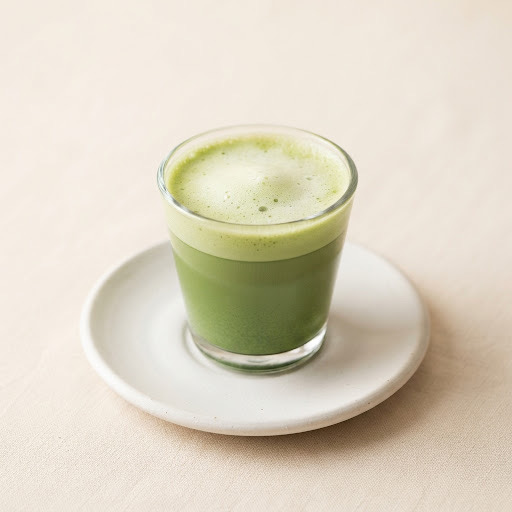
Matcha is best avoided until at least 4 years old because it contains caffeine. Matcha is powdered green tea leaves, so a child drinks the whole leaf and gets more caffeine than from regular green tea. Babies and toddlers do not need any caffeine, so offer breast milk or formula to babies, and water and milk to toddlers.
How to serve matcha by age
Shapes and textures change as your baby’s grasp and chewing grow.

6 months
Do not offer matcha, matcha lattes or matcha-flavored foods at this age because of the caffeine. Babies only need breast milk or formula plus small sips of water with meals, and smooth purees like spinach or pea give a green color instead.

7–8 months
Keep skipping matcha and matcha-flavored foods, and check labels on baby snacks and yogurts. Breast milk or formula stays the main drink, with small sips of water from an open cup with meals.

9–12 months
Keep skipping matcha, and check labels on snacks, yogurts and baked goods, since some contain matcha powder. For a green color in food, blend in spinach or avocado instead.

12 months +
Toddlers should still avoid matcha drinks and matcha sweets. From about age 4, a small taste of matcha baked into a treat now and then is fine, but matcha lattes and drinks are best saved for older kids and teens.
Why it’s good
Matcha offers plant compounds called catechins and a little vitamin C and potassium, but young children do not need it for any nutrient. The caffeine in matcha can affect sleep, mood and heart rate in small bodies. Matcha drinks and sweets are also often high in added sugar.
Safety notes
- Matcha contains caffeine, usually more per cup than regular green tea. The AAP advises that young children should not have caffeine.
- Watch for hidden matcha in ice cream, cookies, cakes, candies, yogurts and smoothies.
- Matcha sweets like mochi and hard candies are choking hazards for young children. Mochi is sticky and best avoided before age 4 or later.
- Tea compounds can reduce iron absorption from meals, which matters for young children who need plenty of iron.
- If your child accidentally drinks matcha, watch for jitteriness, a racing heart, tummy upset or trouble sleeping, and call your pediatrician if you are worried.
A low-allergy food, still worth watching
Matcha is not a common allergen. Matcha drinks and desserts often include milk, soy, wheat, egg or nuts, so read labels if your child has a food allergy.
Matcha for babies: questions parents ask
Quick answers about matcha for babies and toddlers.
When can babies have matcha?
Babies should not have matcha, and it is best to wait until at least 4 years old because matcha contains caffeine. Even then, keep matcha to small amounts in occasional foods.
Can babies drink matcha?
No, babies should not drink matcha. Matcha has caffeine, and babies under 12 months only need breast milk or formula plus small sips of water.
Is matcha a choking hazard for babies?
Brewed matcha is a liquid and not a choking hazard on its own. Matcha often appears in mochi, candies and chewy sweets, which are choking hazards for young children.
Is matcha a common allergen?
No, matcha is not a common allergen. Matcha drinks and treats often contain milk, soy, wheat, egg or nuts, so check labels for those allergens.
How do I serve matcha to a 6 month old?
Matcha should not be served to a 6 month old because of its caffeine. For a fun green color in baby food, blend in spinach, peas or avocado instead.
How much caffeine is in matcha?
Matcha has more caffeine than regular green tea because you consume the whole powdered leaf, and the amount depends on how much powder is used. Because the amount varies, matcha is best avoided for young children.
Why can't toddlers have matcha?
Toddlers should not have matcha because caffeine can disturb sleep, increase heart rate and cause jitteriness or tummy upset in small bodies. Matcha drinks are also often sweetened with added sugar.
Is decaf matcha or green tea safe for toddlers?
Decaf green tea and matcha still contain small amounts of caffeine and tea compounds that can lower iron absorption. Water and whole cow's milk are better drinks for toddlers.
My toddler drank some matcha. What should I do?
If a toddler drinks a little matcha, stay calm and watch for jitteriness, a fast heartbeat, vomiting or trouble sleeping. Call your pediatrician or Poison Control at 1-800-222-1222 if they drank a lot or seem unwell.
The takeaway
- Matcha is best avoided until at least 4 years old because it contains caffeine.
- Toddlers should still avoid matcha drinks and matcha sweets.
- Choking risk is low. Not a Top 9 allergen, but offer a small amount first and watch for any reaction.
Read next


Sources
This guide follows current advice from these organizations.
- Starting Solid Foods American Academy of Pediatrics (HealthyChildren.org)
- When, What, and How to Introduce Solid Foods Centers for Disease Control and Prevention
- Choking Hazards Centers for Disease Control and Prevention
- Recommended Drinks for Young Children Ages 0-5 American Academy of Pediatrics (HealthyChildren.org)
- Foods and Drinks to Avoid or Limit Centers for Disease Control and Prevention
Track every new food in your baby’s passport
Track the first 100 foods and the Top 9 allergens. 7 days free.
More drinks and extras for babies
Updated November 2026. Reviewed by our dietitians. Based on AAP, CDC and NIAID guidance. Written for healthy, full-term babies; not a substitute for your pediatrician. If your baby was born early, has a medical condition, feeding difficulties or a known allergy, check with them first (medical disclaimer). Always stay with your baby while they eat.