
Grains Food Library
When can babies have lentil pasta?
Can babies have lentil pasta?
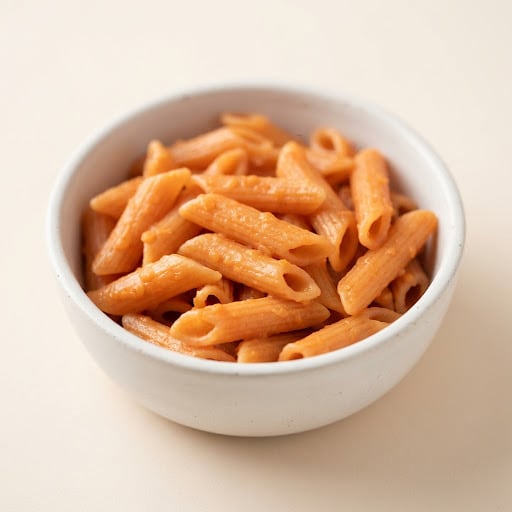
Babies can have lentil pasta from about 6 months, cooked until soft. Lentil pasta is made from lentil flour, so it has more protein, fiber and iron than regular pasta and is usually wheat free. Start with soft pasta mashed into sauce on a spoon, then offer large soft shapes like fusilli or penne to grab from 7–8 months.
How to serve lentil pasta by age
Shapes and textures change as your baby’s grasp and chewing grow.

6 months
Cook lentil pasta well past the package time until very soft, then blend or mash it with a smooth vegetable sauce, mashed avocado or a little olive oil into a soft puree. Offer it on a spoon or a preloaded spoon.

7–8 months
Offer a few large lentil pasta shapes like fusilli, rotini or penne, cooked a few minutes past the package time so they squash easily, coated in a smooth sauce or mashed avocado to make them easier to hold. Finely chopped soft pasta stirred into a thick sauce also works on a spoon.

9–12 months
Switch to smaller shapes like elbows, small shells or chopped pieces for pincer practice. Mix with a soft vegetable sauce, ricotta or finely shredded meat.

12 months +
Toddlers can have lentil pasta in any family pasta dish, from bakes to pasta salads. Cook it just past firm, as lentil pasta gets mushy quickly and can fall apart if overcooked.
Why it’s good
Lentil pasta gives babies plant protein, fiber, folate and iron, which babies need more of from 6 months as their natural iron stores drop. Serve it with a vitamin C food like tomato sauce, broccoli or bell pepper to help your baby absorb the iron.
Safety notes
- Cook lentil pasta until soft enough to squash between your thumb and finger. Undercooked pasta is firm and harder to chew.
- Lentil pasta can break apart and turn mushy. When babies start holding pasta at 7–8 months, choose larger shapes so there is something to hold onto.
- Lentil pasta is high in fiber. Start with a small portion and offer water with meals, as more fiber can change stools or cause gas.
- Check the label. Some legume pastas are blended with wheat, pea, chickpea or soy, and some are made in facilities with other allergens.
- Use low-sodium sauces. Jarred pasta sauces can be salty, so choose no-salt-added versions or make your own.
A low-allergy food, still worth watching
Lentil pasta is not a Top 9 allergen, but lentils are legumes and a small number of babies react to lentils, peas or chickpeas, and some babies with peanut allergy also react to other legumes. Introduce a small amount and watch for hives, vomiting or swelling.
Lentil pasta for babies: questions parents ask
Quick answers about lentil pasta for babies and toddlers.
When can babies have lentil pasta?
Babies can have lentil pasta from about 6 months, when they start solids. Lentil pasta should be cooked until soft and mashed into sauce at first, with easy-to-grab shapes from about 7–8 months.
Can babies have lentil pasta?
Yes, babies can eat lentil pasta from 6 months. Lentil pasta is a nutritious choice because it gives more protein, fiber and iron than regular wheat pasta.
Is lentil pasta a choking hazard for babies?
Lentil pasta is a low choking risk when cooked until soft. As with any pasta, stay with your baby while they eat, and serve shapes that fit their stage.
Is lentil pasta a common allergen?
No, lentil pasta is not a common allergen, since lentils are not one of the Top 9 allergens. Some babies react to legumes, so offer a small amount first and check the label for added wheat or soy.
How do I serve lentil pasta to a 6 month old?
To serve lentil pasta to a 6 month old, cook it until very soft and blend or mash it with olive oil, a smooth vegetable sauce or mashed avocado, then offer it on a spoon. Large soft shapes for your baby to pick up can follow at 7–8 months.
Is lentil pasta good for babies?
Lentil pasta is good for babies because it gives iron, protein, folate and fiber in a familiar, easy food. Lentil pasta is especially useful for babies who eat little meat or who need to avoid wheat.
Is lentil pasta better than regular pasta for babies?
Lentil pasta has more protein, fiber and iron than regular white pasta, which makes it a strong choice for babies. Regular pasta is still fine, and rotating different pastas helps your baby get used to more tastes and textures.
Can lentil pasta cause gas or constipation in babies?
Lentil pasta can cause some gas in babies because of its fiber, but it is more likely to soften stools than cause constipation. Start with small portions and offer water with meals.
Is lentil pasta gluten free?
Most lentil pasta made only from lentil flour is gluten free. Some brands add wheat or are made in shared facilities, so look for a gluten-free label if your baby needs it.
The takeaway
- Babies can have lentil pasta from about 6 months, cooked until soft.
- Cook lentil pasta well past the package time until very soft, then blend or mash it with a smooth vegetable sauce, mashed avocado or a little olive oil into a soft puree.
- Choking risk is low. Not a Top 9 allergen, but offer a small amount first and watch for any reaction.
Read next


Sources
This guide follows current advice from these organizations.
- Starting Solid Foods American Academy of Pediatrics (HealthyChildren.org)
- When, What, and How to Introduce Solid Foods Centers for Disease Control and Prevention
- Choking Hazards Centers for Disease Control and Prevention
- Iron Centers for Disease Control and Prevention
Recipes with lentil pasta

Track every new food in your baby’s passport
Track the first 100 foods and the Top 9 allergens. 7 days free.
More grains for babies
Updated November 2026. Reviewed by our dietitians. Based on AAP, CDC and NIAID guidance. Written for healthy, full-term babies; not a substitute for your pediatrician. If your baby was born early, has a medical condition, feeding difficulties or a known allergy, check with them first (medical disclaimer). Always stay with your baby while they eat.