
No. 81 · Grains Passport food
When can babies have millet?
Can babies have millet?
Babies can have millet from about 6 months, as soon as they are ready for solids. Millet is a small, naturally gluten-free whole grain that cooks into a soft porridge, and it is a good way to vary grains beyond rice and oats.
How to serve millet by age
Shapes and textures change as your baby’s grasp and chewing grow.

6 months
Rinse millet, then simmer it with extra water until it is very soft and creamy, like porridge, and blend it smoother if needed. Thin it with breast milk or formula and offer it on a spoon or pre-loaded spoon, plain or mixed with a smooth fruit or vegetable puree.

7–8 months
Cook millet a little thicker and stir in mashed fruit, vegetables or lentils for a lumpier texture. You can also let soft cooked millet cool and press it into soft patties or fingers baby can hold, as long as they squash easily.

9–12 months
Offer soft cooked millet loose so baby can scoop it with their hands or a spoon, or serve it as small patties or fritters bound with egg. Millet also makes a great base for stirring in lentils, shredded chicken or vegetables.

12 months +
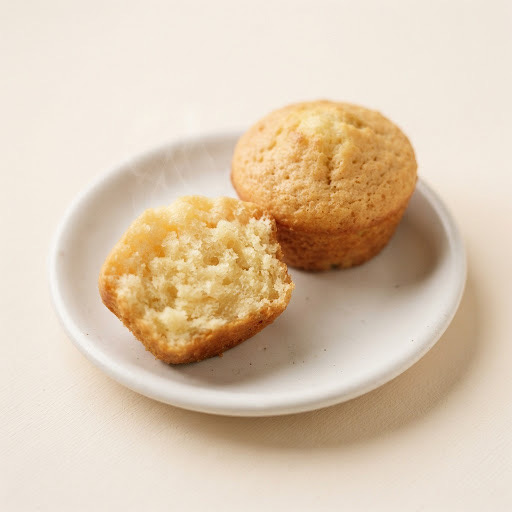
Serve fluffy cooked millet as a side dish like rice or couscous, in grain bowls, or as breakfast porridge. Toddlers can also try millet muffins or pancakes made with millet flour and no added sugar.
Why it’s good
Millet gives babies carbohydrates for energy, fiber, plant protein, magnesium, phosphorus and B vitamins, along with some iron and zinc. Millet is naturally gluten-free and tends to be lower in arsenic than rice, which makes it a useful grain to rotate. Serving it with iron-rich foods like meat, beans or eggs, plus a vitamin C food, gives a more complete meal.
Safety notes
- Cook millet until it is very soft for young babies. Undercooked millet is gritty and can make babies cough or gag.
- Rinse millet before cooking to wash away dust and the slightly bitter coating on the grains.
- Dry, loose millet can scatter in the mouth. Serve it moist, as a creamy porridge for younger babies or held together in soft patties from 7–8 months.
- Puffed millet cereal melts easily and is fine for older babies, but check packaged millet snacks for added sugar and salt.
- Seat baby upright and stay within arm's reach while they eat.
A low-allergy food, still worth watching
Millet is not a common allergen, and allergy to millet is rare, though reactions have been reported. Millet is naturally gluten-free, but it can be processed with wheat, so look for certified gluten-free millet if your child has celiac disease or a wheat allergy.
Millet for babies: questions parents ask
Quick answers about millet for babies and toddlers.
When can babies have millet?
Babies can have millet from about 6 months, as soon as they are ready for solids. Millet should be cooked until soft and served as a smooth porridge at first, then pressed into soft patties from about 7–8 months.
Can babies have millet?
Yes, babies can eat millet from around 6 months. Millet is a nutritious, naturally gluten-free whole grain that cooks into a soft, mild porridge babies can eat from a spoon, and later from their hands as soft patties.
Is millet a choking hazard for babies?
Millet is a low choking risk when cooked until soft and served moist. Dry, undercooked millet can scatter in the mouth and make babies cough, so cook millet into a creamy porridge for young babies and bind it into soft patties once they start holding food.
Is millet a common allergen?
No, millet is not one of the Top 9 common food allergens. Millet allergy is rare, but watch for hives, swelling or vomiting the first few times you serve millet.
How do I serve millet to a 6 month old?
To serve millet to a 6 month old, simmer rinsed millet with extra water until it is soft and creamy, then offer it on a spoon or pre-loaded spoon. Soft millet patties or fingers for baby to hold can follow at 7–8 months.
How do I cook millet porridge for my baby?
To make millet porridge for a baby, rinse the millet, then simmer about one part millet to four parts water, stirring often, until thick and creamy. Thin it with breast milk or formula if needed, and stir in mashed fruit instead of sugar.
Is millet gluten-free and good for babies with celiac disease?
Millet is naturally gluten-free, so it can be a good grain for babies who must avoid gluten. Millet may be processed near wheat, so choose a certified gluten-free product if your baby has celiac disease or a wheat allergy.
Is millet better than rice cereal for babies?
Millet is a good alternative to rice for babies because it tends to contain less arsenic. Rice is still fine in moderation, and offering a mix of grains like millet, oats, barley and quinoa is the healthiest approach.
Can babies have puffed millet?
Babies who are good at self-feeding can eat plain puffed millet, which dissolves quickly in the mouth. Choose puffed millet with no added sugar or salt, and offer it as a snack or sprinkled into yogurt.
The takeaway
- Babies can have millet from about 6 months, as soon as they are ready for solids.
- Rinse millet, then simmer it with extra water until it is very soft and creamy, like porridge, and blend it smoother if needed.
- Choking risk is low. Not a Top 9 allergen, but offer a small amount first and watch for any reaction.
Read next


Sources
This guide follows current advice from these organizations.
- Starting Solid Foods American Academy of Pediatrics (HealthyChildren.org)
- When, What, and How to Introduce Solid Foods Centers for Disease Control and Prevention
- Choking Hazards Centers for Disease Control and Prevention
- Foods and Drinks to Avoid or Limit Centers for Disease Control and Prevention
- Dietary Guidelines for Americans, 2020-2025 U.S. Department of Agriculture and HHS
- What You Can Do to Limit Exposure to Arsenic U.S. Food and Drug Administration
Stamp millet in your baby’s passport
Track the first 100 foods and the Top 9 allergens. 7 days free.
More grains for babies
Updated November 2026. Reviewed by our dietitians. Based on AAP, CDC and NIAID guidance. Written for healthy, full-term babies; not a substitute for your pediatrician. If your baby was born early, has a medical condition, feeding difficulties or a known allergy, check with them first (medical disclaimer). Always stay with your baby while they eat.