
Grains Food Library
When can babies have manoomin (wild rice)?
Can babies have manoomin (wild rice)?
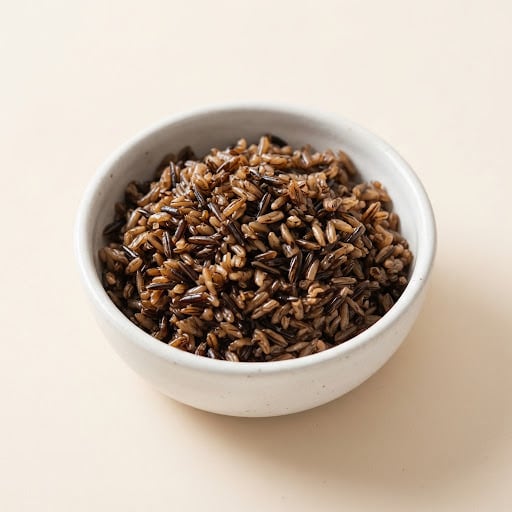
Babies can have manoomin, or wild rice, from about 6 months, cooked until very soft and mashed or mixed into sticky foods. Manoomin is the seed of an aquatic grass harvested by Anishinaabe and other Indigenous peoples of the Great Lakes region. Loose grains can be inhaled, so serve them clumped together.
How to serve manoomin (wild rice) by age
Shapes and textures change as your baby’s grasp and chewing grow.

6 months
Simmer manoomin until the grains split open and are very tender, then blend it with a little cooking water, breast milk or formula until smooth. Stir it into squash puree, smooth fruit or yogurt and offer it on a spoon.

7–8 months
Pulse or mash very soft manoomin so it stays a little lumpy and stir it into mashed squash or yogurt, or mix it with egg and form soft patties that squash easily for your baby to hold.

9–12 months
Offer soft cooked manoomin mixed into sticky foods like mashed beans, stews or risotto-style dishes so the grains clump. Your baby can scoop it with fingers or a preloaded spoon.

12 months +
Toddlers can eat cooked manoomin in soups, pilafs, grain bowls and stuffing. Keep it soft and moist and offer a spoon for loose grains.
Why it’s good
Manoomin gives babies plant protein, fiber, B vitamins, magnesium, phosphorus and zinc. It has more protein than most rice and a nutty, earthy flavor. It contains a modest amount of iron, so pair it with meat, fish, beans or eggs.
Safety notes
- Cook manoomin until fully soft and split. Firm, chewy grains are hard for babies to manage.
- Loose grains can be inhaled. Mash or blend manoomin for young babies, or mix it into moist, sticky foods.
- Rinse manoomin before cooking, and add salt only after taking out your baby's portion. Skip salty bouillon.
- Cool cooked grains quickly and refrigerate within 2 hours. Reheat until steaming and use within a few days.
- Wild rice blends sold in boxes often contain seasoning packets high in sodium; use plain manoomin for babies.
A low-allergy food, still worth watching
Manoomin is not a common allergen and is naturally gluten-free. As with any new food, offer a small amount and watch for hives, swelling or vomiting.
Manoomin (wild rice) for babies: questions parents ask
Quick answers about manoomin (wild rice) for babies and toddlers.
When can babies have manoomin (wild rice)?
Babies can have manoomin, also called wild rice, from about 6 months of age. Manoomin should be cooked until very soft and mashed or mixed into other foods for young babies.
Can babies have wild rice?
Yes, babies can eat wild rice when it is cooked until tender and served in an age-appropriate texture. Wild rice is a nutritious whole grain with more protein than most rice.
Is manoomin a choking hazard for babies?
Manoomin is not a common choking hazard, but loose grains can be inhaled into the airway. Cook manoomin until soft and mash it or mix it into sticky foods, and stay with your baby during meals.
Is manoomin a common allergen?
No, manoomin is not a common allergen, and wild rice is naturally gluten-free. Introduce a small amount and watch for signs of a reaction, as with any new food.
How do I serve manoomin to a 6 month old?
To serve manoomin to a 6 month old, cook it until the grains split and are very soft, then blend it smooth into a soft food like squash or yogurt and offer it on a spoon. Soft finger-size patties made with egg can follow at 7–8 months.
How long does wild rice take to cook for a baby?
Wild rice usually takes 45 to 60 minutes of simmering to become soft enough for a baby, depending on the type. Hand-harvested manoomin often cooks faster than cultivated wild rice, so cook until most grains have split open.
Is wild rice actually rice?
No, wild rice is not true rice. Manoomin is the seed of a native aquatic grass that grows in lakes and rivers of the Great Lakes region and has deep cultural importance to Anishinaabe and other Indigenous nations.
Does wild rice have arsenic like rice?
Wild rice is a different plant from regular rice and is not generally considered a major source of arsenic for babies. Serving a variety of grains, including manoomin, oats, barley and quinoa, is a good way to limit exposure from any single food.
Can manoomin help my baby poop?
Manoomin is a whole grain with fiber, which can help support regular bowel movements in babies. Offer manoomin with fruits, vegetables and fluids for the best effect on constipation.
The takeaway
- Babies can have manoomin, or wild rice, from about 6 months, cooked until very soft and mashed or mixed into sticky foods.
- Simmer manoomin until the grains split open and are very tender, then blend it with a little cooking water, breast milk or formula until smooth.
- Choking risk is low. Not a Top 9 allergen, but offer a small amount first and watch for any reaction.
Read next


Sources
This guide follows current advice from these organizations.
- Starting Solid Foods American Academy of Pediatrics (HealthyChildren.org)
- When, What, and How to Introduce Solid Foods Centers for Disease Control and Prevention
- Choking Hazards Centers for Disease Control and Prevention
- Foods and Drinks to Avoid or Limit Centers for Disease Control and Prevention
- What You Can Do to Limit Exposure to Arsenic U.S. Food and Drug Administration
Track every new food in your baby’s passport
Track the first 100 foods and the Top 9 allergens. 7 days free.
More grains for babies
Updated November 2026. Reviewed by our dietitians. Based on AAP, CDC and NIAID guidance. Written for healthy, full-term babies; not a substitute for your pediatrician. If your baby was born early, has a medical condition, feeding difficulties or a known allergy, check with them first (medical disclaimer). Always stay with your baby while they eat.