
Grains Food Library
When can babies have kamut?
Can babies have kamut?
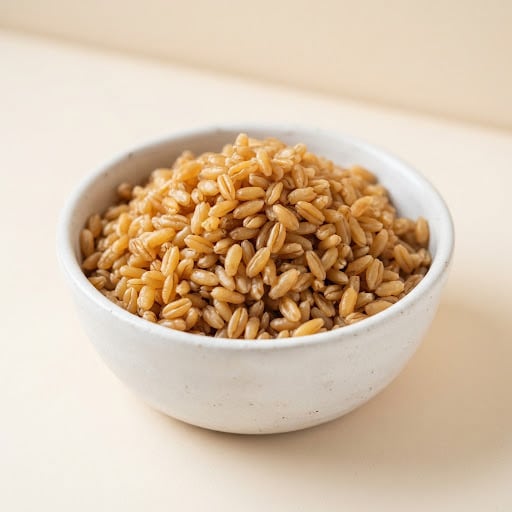
Babies can have kamut, also called khorasan wheat, from about 6 months when the grains are cooked very soft and mashed or blended. Kamut is a type of wheat, so it contains gluten and is a common allergen. Kamut flour can also be used in pancakes, bread and pasta for babies.
How to serve kamut by age
Shapes and textures change as your baby’s grasp and chewing grow.

6 months
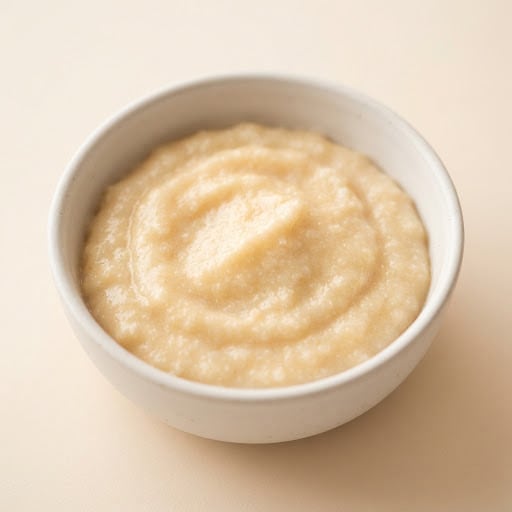
Cook kamut berries until very soft, then blend them with breast milk, formula or cooking water into a smooth porridge and offer it on a spoon or pre-loaded spoon. Fine kamut flour can also be cooked into a smooth hot cereal.

7–8 months
Mash soft kamut berries more roughly and mix them with yogurt or vegetables for a thicker, lumpier texture. Soft kamut flour pancakes or well-cooked kamut pasta cut into strips also work well for baby to hold.

9–12 months
Offer mashed kamut berries mixed with yogurt or vegetables so baby can scoop with fingers or a spoon. Small, soft pieces of kamut pasta or bread are good for pincer practice.

12 months +
Toddlers can eat whole, well-cooked kamut berries in grain bowls, soups and salads, and kamut bread, crackers or pasta. Puffed kamut is fine for older toddlers if it is fresh and crisp, not stale and chewy.
Why it’s good
Kamut gives babies carbohydrates for energy plus protein, fiber, iron, zinc, magnesium and B vitamins. It is a whole grain, which helps with steady energy and regular stools. Serve kamut with vitamin C foods like tomato or berries to help absorb its iron.
Safety notes
- Single whole grains can slip into the airway. Mash or blend cooked kamut berries for babies and serve whole grains only when they are very soft.
- Kamut berries are firm even after cooking. Soak them overnight and simmer for about an hour, or until they squash easily.
- Stale puffed kamut can become chewy and hard to manage. Save puffed grains for toddlers and serve them fresh.
- Kamut contains gluten. It is not safe for babies with celiac disease or a wheat allergy.
Introduce kamut on its own, then keep it in
Kamut is an ancient type of wheat, and wheat is one of the Top 9 allergens. Introduce a small amount, watch for hives, vomiting or swelling, and keep wheat in the diet regularly once tolerated.
Kamut for babies: questions parents ask
Quick answers about kamut for babies and toddlers.
When can babies have kamut?
Babies can have kamut from about 6 months, cooked until very soft and blended into porridge. Soft pancakes, bread or pasta made from kamut flour can follow at 7–8 months.
Can babies have kamut?
Yes, babies can eat kamut as one of their whole grains. Kamut is a wheat allergen, so introduce it in a small amount first.
Is kamut a choking hazard for babies?
Kamut is not a common choking hazard, but whole grains can be inhaled by young babies. Mashing or blending kamut berries and serving whole grains only once they are soft lowers the risk.
Is kamut a common allergen?
Yes, kamut is a common allergen because it is a type of wheat, one of the Top 9 food allergens. Babies allergic to wheat should not eat kamut.
How do I serve kamut to a 6 month old?
To serve kamut to a 6 month old, cook soaked kamut berries until very soft and blend them into a smooth porridge with breast milk or formula. Offer it on a spoon. Kamut flour pancakes cut into strips can follow at 7–8 months.
Does kamut have gluten?
Yes, kamut contains gluten because it is a type of wheat. Some people with wheat sensitivity find kamut easier to eat, but it is not safe for celiac disease or wheat allergy.
Can kamut help babies poop?
Kamut is a whole grain rich in fiber, which can help keep babies' stools soft and regular. Offer kamut with water at meals and plenty of fruits and vegetables.
When can babies have puffed kamut?
Puffed kamut is best saved for toddlers over 12 months who can chew well. Make sure puffed kamut is fresh and crisp, since stale puffs can turn chewy and harder to swallow.
How do I cook kamut berries?
To cook kamut berries, soak them overnight, drain and simmer in fresh water for about 45 to 60 minutes until tender. For babies, keep cooking until kamut berries squash easily, then mash or blend.
The takeaway
- Babies can have kamut, also called khorasan wheat, from about 6 months when the grains are cooked very soft and mashed or blended.
- Cook kamut berries until very soft, then blend them with breast milk, formula or cooking water into a smooth porridge and offer it on a spoon or pre-loaded spoon.
- Choking risk is low. Wheat is one of the Top 9 allergens: offer a small amount first, watch for a reaction, then keep it in the diet regularly.
Read next

Sources
This guide follows current advice from these organizations.
- Starting Solid Foods American Academy of Pediatrics (HealthyChildren.org)
- When, What, and How to Introduce Solid Foods Centers for Disease Control and Prevention
- Choking Hazards Centers for Disease Control and Prevention
- Iron Centers for Disease Control and Prevention
- The Effects of Early Nutritional Interventions on the Development of Atopic Disease in Infants and Children Greer FR, Sicherer SH, Burks AW; American Academy of Pediatrics. Pediatrics. 2019;143(4):e20190281
Track every new food in your baby’s passport
Track the first 100 foods and the Top 9 allergens. 7 days free.
More grains for babies
Updated November 2026. Reviewed by our dietitians. Based on AAP, CDC and NIAID guidance. Written for healthy, full-term babies; not a substitute for your pediatrician. If your baby was born early, has a medical condition, feeding difficulties or a known allergy, check with them first (medical disclaimer). Always stay with your baby while they eat.