
Herbs & spices Food Library
When can babies have galangal?
Can babies have galangal?
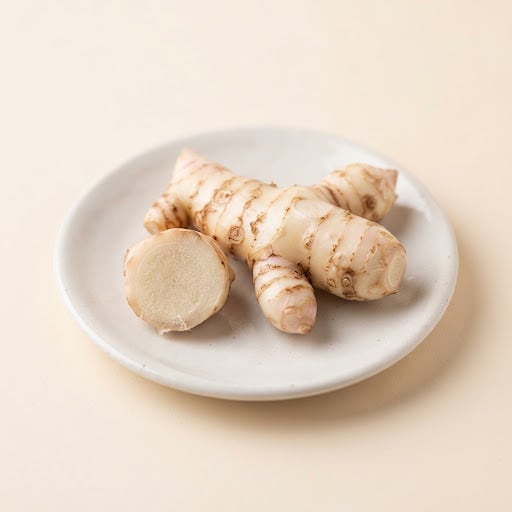
Babies can have galangal from about 6 months as a flavoring, finely grated, ground or cooked into dishes. Galangal is a firm, woody root related to ginger, so thick slices and chunks are a choking hazard and should be removed from food before serving. A small amount adds bright, peppery flavor to soups and curries.
How to serve galangal by age
Shapes and textures change as your baby’s grasp and chewing grow.

6 months
Finely grate a pinch of fresh galangal or add a little ground galangal to soups, lentils or vegetables while they cook, then remove any slices and blend the food smooth. Offer it on a spoon.

7–8 months
Keep using finely grated or ground galangal to flavor lumpier mashed lentils, soft rice and mild curries. Remove any slices or chunks before serving, since they stay firm and fibrous.

9–12 months
Keep using galangal as a flavoring in family dishes like coconut curries, congee and stews. Strain or pick out galangal slices, which stay too firm and fibrous to chew.

12 months +
Toddlers can enjoy family meals seasoned with galangal, such as Thai and Indonesian soups. Use mild curry pastes, and remove galangal slices and lemongrass stalks before serving.
Why it’s good
Galangal is used in small amounts, so it adds flavor rather than significant nutrition. Galangal contains plant compounds and small amounts of minerals. Its main benefit for babies is helping them learn to enjoy new, aromatic flavors.
Safety notes
- Never serve slices, coins or chunks of galangal. The root is very firm and fibrous and is a choking hazard; remove it from dishes before serving.
- Use finely grated fresh galangal or ground galangal so it blends into food.
- Store-bought curry pastes that contain galangal can be high in salt and chili. Use a small amount and choose mild versions.
- Raw galangal can irritate sensitive skin. Wipe your baby's face after meals if you notice redness.
- Do not give galangal tea, supplements or remedies to babies. Food amounts are fine, but there is little safety research on larger doses for young children.
A low-allergy food, still worth watching
Galangal is not a common allergen. Contact rashes around the mouth are possible, so start with a small amount cooked into food and watch for hives, swelling or vomiting.
Galangal for babies: questions parents ask
Quick answers about galangal for babies and toddlers.
When can babies have galangal?
Babies can have galangal from about 6 months, used as a flavoring that is finely grated, ground or cooked into food. Remove any firm pieces of galangal before serving.
Can babies have galangal?
Yes, babies can eat galangal in small amounts as a seasoning in family foods. Galangal should never be served in slices or chunks, which are too hard and fibrous for babies to chew.
Is galangal a choking hazard for babies?
Galangal can be a choking hazard when served in slices, coins or chunks because the root is firm and woody. Finely grated or ground galangal cooked into food is a low risk.
Is galangal a common allergen?
No, galangal is not a common allergen. Some people get a skin rash from touching the raw root, so watch for redness around your baby's mouth.
How do I serve galangal to a 6 month old?
To serve galangal to a 6 month old, finely grate a pinch of fresh galangal into a soup, lentil dish or mashed vegetable while it cooks, take out any slices, and blend the food smooth before offering it on a spoon. Taste it first to make sure the flavor is gentle.
Can babies drink galangal tea?
Babies under 12 months should not drink galangal tea, since babies only need breast milk, formula and small sips of water. Toddlers do not need galangal tea either, and there is little research on its safety in young children.
Can galangal help a sick baby?
There is no good evidence that galangal treats colds, tummy upset or other illness in babies. If your baby is unwell, talk to your pediatrician instead of using herbal remedies.
What is the difference between galangal and ginger?
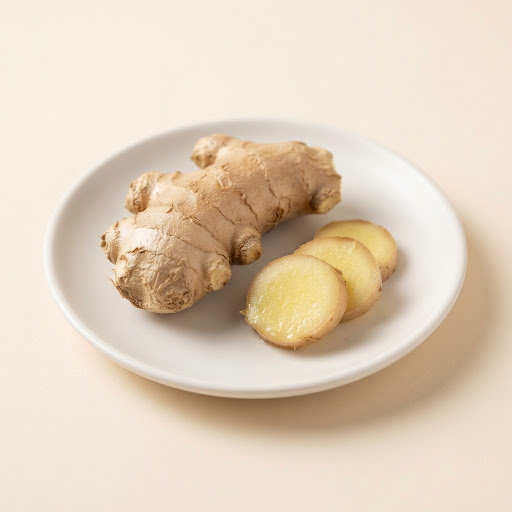
Galangal and ginger are related roots, but galangal is firmer and woodier with a sharp, citrusy, pine-like flavor, while ginger is softer and warmer. Both can be finely grated into babies' food in small amounts.
The takeaway
- Babies can have galangal from about 6 months as a flavoring, finely grated, ground or cooked into dishes.
- Finely grate a pinch of fresh galangal or add a little ground galangal to soups, lentils or vegetables while they cook, then remove any slices and blend the food smooth.
- Choking risk is medium. Not a Top 9 allergen, but offer a small amount first and watch for any reaction.
Read next



Sources
This guide follows current advice from these organizations.
- Starting Solid Foods American Academy of Pediatrics (HealthyChildren.org)
- When, What, and How to Introduce Solid Foods Centers for Disease Control and Prevention
- Choking Hazards Centers for Disease Control and Prevention
- Choking Prevention American Academy of Pediatrics (HealthyChildren.org)
Track every new food in your baby’s passport
Track the first 100 foods and the Top 9 allergens. 7 days free.
More herbs and spices for babies
Updated November 2026. Reviewed by our dietitians. Based on AAP, CDC and NIAID guidance. Written for healthy, full-term babies; not a substitute for your pediatrician. If your baby was born early, has a medical condition, feeding difficulties or a known allergy, check with them first (medical disclaimer). Always stay with your baby while they eat.