
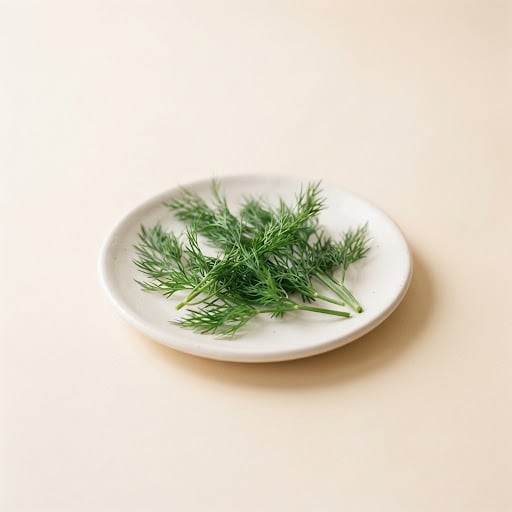
Herbs & spices Food Library
When can babies have dill?
Can babies have dill?
Babies can have dill from 6 months, finely chopped or dried and mixed into food. Dill adds fresh flavor without salt and is a low choking risk when chopped. Dill is not a common allergen, though rare reactions have been reported.
How to serve dill by age
Shapes and textures change as your baby’s grasp and chewing grow.

6 months
Finely chop fresh dill or use a pinch of dried dill and stir it into smooth foods like mashed potato, plain yogurt, zucchini puree or blended salmon, then offer it on a spoon. Avoid whole sprigs, which can cling to the roof of the mouth.

7–8 months
Stir chopped dill into lumpier foods like fork-mashed potato, soft scrambled eggs or flaked salmon mashed with yogurt. Soft salmon cakes or zucchini fritters with dill that squash easily between your fingers also work well.

9–12 months
Mix chopped dill into soft finger foods like salmon cakes, egg muffins, fritters and pasta. Plain yogurt with dill and grated cucumber makes a simple dip for soft vegetables.

12 months +
Toddlers can enjoy dill in soups, potato salad, egg salad and roasted vegetables. Small chopped fronds on top of food are fine at this age.
Why it’s good
Dill is used in small amounts, so it adds only a little vitamin A, vitamin C and plant compounds. Its main job is flavor, which helps babies get used to fresh herbs and lets you skip salt. Fish, eggs and vegetables seasoned with dill bring the real nutrition.
Safety notes
- Chop fresh dill finely. Long, wispy sprigs can stick to the roof of the mouth or throat and cause gagging.
- Dill pickles are very high in salt. Skip pickles before 12 months and offer only an occasional thin slice after that.
- Wash fresh dill well to remove grit and soil before chopping.
- Do not give dill water, gripe water or herbal remedies to babies unless your pediatrician recommends a specific product.
A low-allergy food, still worth watching
Dill is not a common allergen, but rare and sometimes serious reactions have been reported, often in people allergic to celery, carrot or related pollens. Offer a small amount first and watch for hives, swelling, vomiting or breathing changes.
Dill for babies: questions parents ask
Quick answers about dill for babies and toddlers.
When can babies have dill?
Babies can have dill from 6 months, when they start solid food. Finely chop fresh dill or use dried dill and stir it into a soft food your baby already eats.
Can babies have dill?
Yes, babies can eat dill in small amounts as a seasoning. Dill has a mild, fresh flavor that pairs well with many first foods like eggs, fish and potatoes.
Is dill a choking hazard for babies?
Dill is a low choking risk for babies when it is finely chopped and mixed into food. Whole sprigs can cling to the mouth and cause gagging, so chop dill small and stay close while your baby eats.
Is dill a common allergen?
No, dill is not a common allergen and is not one of the Top 9 food allergens. Rare reactions have been reported, particularly in people with celery or carrot allergies.
How do I serve dill to a 6 month old?
To serve dill to a 6 month old, chop fresh dill very finely and stir a small pinch into a smooth food like mashed potato, plain yogurt or blended salmon, then offer it on a spoon. Dried dill works the same way.
Can babies have dill pickles?
Babies should skip dill pickles before 12 months because pickles are very high in salt. Toddlers can have an occasional thin slice or small piece, but crunchy pickle rounds should be cut into small strips.
Is fresh or dried dill better for babies?
Fresh and dried dill are both fine for babies. Fresh dill tastes brighter, while dried dill is easy to sprinkle in small amounts, so use whichever you have.
Is dill water or gripe water safe for babies?
Dill water and gripe water are not recommended for babies without talking to your pediatrician. Some products contain sugar, alcohol or ingredients not tested for infants, and there is little evidence they help colic.
What foods go well with dill for babies?
Dill goes well with salmon, eggs, potatoes, zucchini, carrots, cucumber and plain yogurt. Mixing dill into these foods gives babies new flavor without any added salt.
The takeaway
- Babies can have dill from 6 months, finely chopped or dried and mixed into food.
- Finely chop fresh dill or use a pinch of dried dill and stir it into smooth foods like mashed potato, plain yogurt, zucchini puree or blended salmon, then offer it on a spoon.
- Choking risk is low. Not a Top 9 allergen, but offer a small amount first and watch for any reaction.
Read next


Sources
This guide follows current advice from these organizations.
- Starting Solid Foods American Academy of Pediatrics (HealthyChildren.org)
- When, What, and How to Introduce Solid Foods Centers for Disease Control and Prevention
- Choking Hazards Centers for Disease Control and Prevention
Track every new food in your baby’s passport
Track the first 100 foods and the Top 9 allergens. 7 days free.
More herbs and spices for babies
Updated November 2026. Reviewed by our dietitians. Based on AAP, CDC and NIAID guidance. Written for healthy, full-term babies; not a substitute for your pediatrician. If your baby was born early, has a medical condition, feeding difficulties or a known allergy, check with them first (medical disclaimer). Always stay with your baby while they eat.