
Herbs & spices Food Library
When can babies have fennel seeds?
Can babies have fennel seeds?
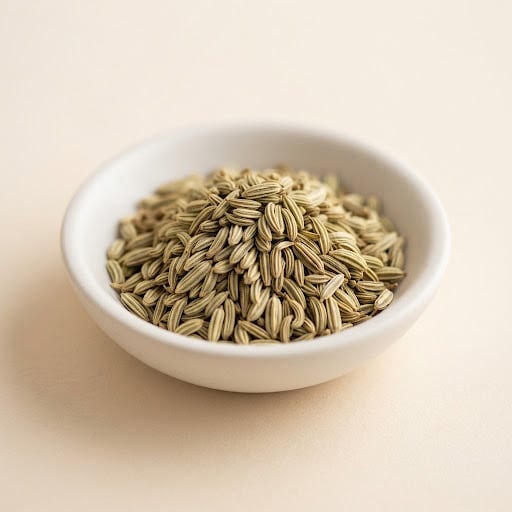
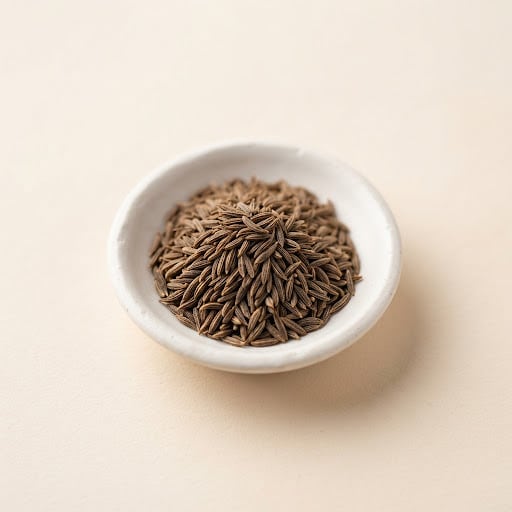
Babies can have fennel seed from about 6 months as a ground spice cooked into food. Whole fennel seeds are small and hard and can be inhaled, so grind them for babies and young toddlers. Fennel seed adds a sweet, anise-like flavor without salt.
How to serve fennel seeds by age
Shapes and textures change as your baby’s grasp and chewing grow.

6 months
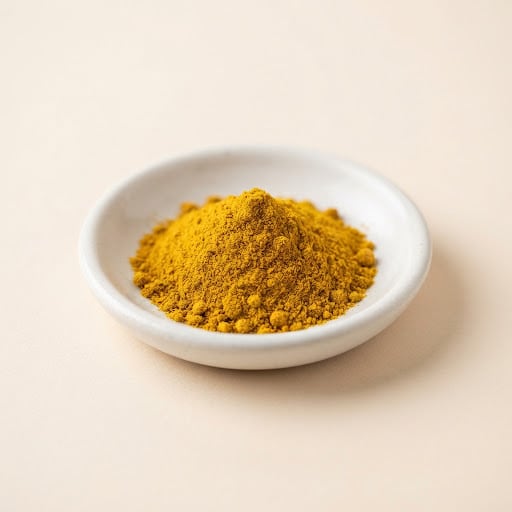
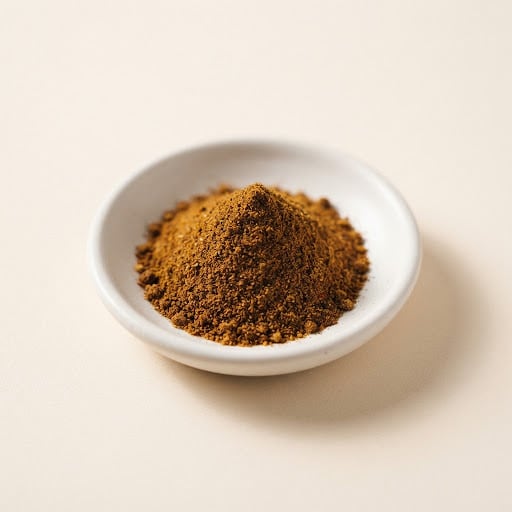
Grind fennel seeds to a fine powder and stir a small pinch into smooth foods your baby already eats, like pureed carrots, lentils or applesauce. Cook it into the dish so the flavor softens, and offer it on a spoon.

7–8 months
Keep adding a pinch of finely ground fennel to thicker, lumpier foods like mashed lentils or fork-mashed carrots. It also works in soft meatballs that fall apart easily or on roasted vegetable pieces that squash between your fingers.

9–12 months
Keep using ground fennel seed in family foods like tomato sauce, stews and roasted vegetables. Whole seeds that are fully softened in a long-cooked sauce are less risky, but grinding is still the safer choice.

12 months +
Toddlers can enjoy ground or lightly crushed fennel seed in breads, homemade meatballs, curries and sauces. Wait on handfuls of whole seeds and on sugar-coated fennel seed candies until at least age 4.
Why it’s good
Fennel seed is used in small amounts, so it adds flavor more than nutrition. It contains a little fiber, calcium, magnesium and iron, but not enough to count as a key source. Spices like fennel seed help babies enjoy family food without added salt or sugar.
Safety notes
- Whole fennel seeds are small and hard and can be inhaled. Grind them or buy ground fennel for babies and young toddlers.
- Sugar-coated fennel seeds and mukhwas are hard, small and sugary. Wait until at least age 4, and longer for added sugar reasons where you can.
- Do not give babies fennel tea, fennel water or gripe water without checking with your pediatrician. Never give fennel essential oil to babies or children.
- Use only small culinary amounts. Concentrated fennel supplements and extracts are not recommended for babies.
- Read the label on spice blends, which may contain salt, sugar or other allergens such as mustard or sesame.
A low-allergy food, still worth watching
Fennel seed is not a common allergen, though rare reactions have been reported, especially in people with celery, carrot or mugwort pollen allergy. Start with a tiny pinch and watch for hives, itchy mouth, swelling or vomiting.
Fennel seeds for babies: questions parents ask
Quick answers about fennel seeds for babies and toddlers.
When can babies have fennel seeds?
Babies can have fennel seeds from about 6 months of age as a ground spice cooked into food. Whole fennel seeds should be ground for babies because they are small and hard.
Can babies have fennel seeds?
Yes, babies can eat fennel seeds in small amounts when they are ground and mixed into food. Fennel seeds are a good way to add flavor to baby food without salt.
Are fennel seeds a choking hazard for babies?
Yes, whole fennel seeds can be a choking hazard for babies because they are small, hard and easy to inhale. Grind fennel seeds into a powder for babies and young toddlers, and stay with your child during meals.
Is fennel seed a common allergen?
No, fennel seed is not a common allergen. Allergic reactions to fennel seed are rare but possible, especially in children who react to celery, carrot or certain pollens.
How do I serve fennel seed to a 6 month old?
To serve fennel seed to a 6 month old, grind the seeds finely and stir a small pinch into a cooked smooth food like pureed lentils, carrots or applesauce, then offer it on a spoon. Cooking fennel seed into the food mellows its flavor.
Can babies have fennel tea?
Fennel tea is not recommended for babies without advice from a pediatrician. Babies under 6 months need only breast milk or formula, and herbal teas can replace needed milk feeds and vary in strength.
When can kids have mukhwas or candied fennel seeds?
Kids can try mukhwas or candied fennel seeds from about age 4, in small amounts. Candied fennel seeds are hard, small and coated in sugar, which makes them both a choking risk and an added sugar for younger children.
Does fennel seed help with baby gas?
Fennel seed is a traditional remedy for gas, but there is not strong evidence that fennel seed products help colic in babies, and concentrated forms may not be safe. Use fennel seed as a cooking spice and talk to your pediatrician about gas or colic.
Is fennel seed the same as anise?
No, fennel seed and anise seed come from different plants, though both have a licorice-like flavor. Both can be used in small ground amounts in cooked food for babies from 6 months.
The takeaway
- Babies can have fennel seed from about 6 months as a ground spice cooked into food.
- Grind fennel seeds to a fine powder and stir a small pinch into smooth foods your baby already eats, like pureed carrots, lentils or applesauce.
- Choking risk is medium. Not a Top 9 allergen, but offer a small amount first and watch for any reaction.
Read next



Sources
This guide follows current advice from these organizations.
- Starting Solid Foods American Academy of Pediatrics (HealthyChildren.org)
- When, What, and How to Introduce Solid Foods Centers for Disease Control and Prevention
- Choking Hazards Centers for Disease Control and Prevention
- Choking Prevention American Academy of Pediatrics (HealthyChildren.org)
- Foods and Drinks to Avoid or Limit Centers for Disease Control and Prevention
- Dietary Guidelines for Americans, 2020-2025 U.S. Department of Agriculture and HHS
Track every new food in your baby’s passport
Track the first 100 foods and the Top 9 allergens. 7 days free.
More herbs and spices for babies
Updated November 2026. Reviewed by our dietitians. Based on AAP, CDC and NIAID guidance. Written for healthy, full-term babies; not a substitute for your pediatrician. If your baby was born early, has a medical condition, feeding difficulties or a known allergy, check with them first (medical disclaimer). Always stay with your baby while they eat.