
Herbs & spices Food Library
When can babies have culantro?
Can babies have culantro?
Babies can have culantro, also called shado beni or recao, from about 6 months when finely chopped and cooked into food. Culantro has a stronger flavor than cilantro, so a little goes a long way. Culantro is not a common allergen.
How to serve culantro by age
Shapes and textures change as your baby’s grasp and chewing grow.

6 months
Mince a small amount of culantro very finely and cook it into beans, lentils, rice or soups, then blend or mash the food smooth and offer it on a spoon. Avoid whole leaves, which are tough and can cling to the mouth.

7–8 months
Keep mincing culantro finely and stir it into lumpier mashed beans, soft rice, soups and stews while they cook. Your baby can scoop these thicker, textured foods from a spoon or with their hands.

9–12 months
Keep chopping culantro finely and add it to soft family foods such as rice and peas, fish cakes or scrambled eggs. Use it as you would at the family table but without added salt.

12 months +
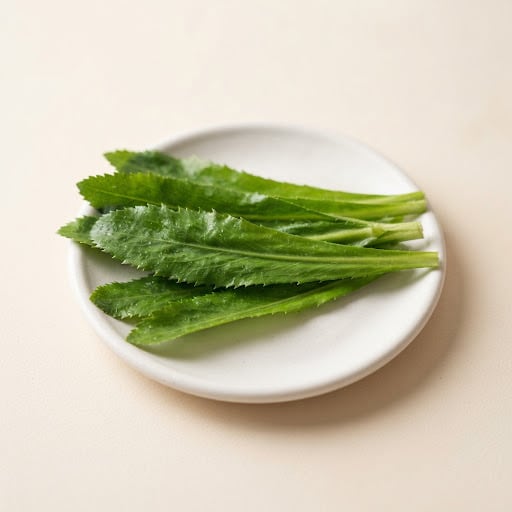
Toddlers can have culantro in green seasoning, sofrito, soups and stews. Finely chop it before adding, as the leaves have tough, spiky edges.
Why it’s good
Culantro adds flavor with very few calories and offers small amounts of vitamin A, vitamin C and calcium. Its main benefit for babies is helping them get used to bold, fresh flavors, which can make food more varied later.
Safety notes
- Culantro leaves are tough and have serrated edges. Mince them finely and cook them into food instead of serving whole leaves.
- Wash culantro well to remove soil and grit.
- Store-bought green seasonings and sofrito often contain added salt. Make your own or check labels.
A low-allergy food, still worth watching
Culantro is not one of the Top 9 allergens, and reactions are uncommon. Babies sensitive to herbs in the carrot family, such as celery or coriander, may rarely react, so start small.
Culantro for babies: questions parents ask
Quick answers about culantro for babies and toddlers.
When can babies have culantro?
Babies can have culantro from about 6 months when it is finely chopped and cooked into food. Culantro adds bold flavor to beans, rice and stews.
Can babies have culantro?
Yes, babies can eat culantro in small amounts mixed into family foods. Culantro leaves are tough, so always mince them finely.
Is culantro a choking hazard for babies?
Culantro is a low choking risk for babies when it is finely chopped and cooked into food. Whole culantro leaves are tough and can stick in the mouth, so do not serve them whole.
Is culantro a common allergen?
No, culantro is not a common allergen. Allergic reactions to culantro are uncommon but possible, especially in babies with other herb or spice sensitivities.
How do I serve culantro to a 6 month old?
To serve culantro to a 6 month old, mince a small amount very finely and cook it into beans, lentils or rice, then blend or mash the food smooth and offer it on a spoon. Start with a pinch, as culantro has a strong flavor.
Is culantro the same as cilantro?
No, culantro and cilantro are different plants, although they taste similar. Culantro has long, serrated leaves and a stronger flavor, so use less of it than cilantro.
What is shado beni?
Shado beni is the name used for culantro in Trinidad and Tobago, and it is also called recao in Puerto Rico. Shado beni is a key herb in Caribbean green seasoning and is safe for babies when finely chopped.
Can babies have green seasoning with culantro?
Babies can have homemade green seasoning made with culantro, herbs, garlic and peppers, as long as no salt is added and it is cooked into food. Leave out hot peppers for babies.
The takeaway
- Babies can have culantro, also called shado beni or recao, from about 6 months when finely chopped and cooked into food.
- Mince a small amount of culantro very finely and cook it into beans, lentils, rice or soups, then blend or mash the food smooth and offer it on a spoon.
- Choking risk is low. Not a Top 9 allergen, but offer a small amount first and watch for any reaction.
Read next


Sources
This guide follows current advice from these organizations.
- Starting Solid Foods American Academy of Pediatrics (HealthyChildren.org)
- When, What, and How to Introduce Solid Foods Centers for Disease Control and Prevention
- Choking Hazards Centers for Disease Control and Prevention
- Foods and Drinks to Avoid or Limit Centers for Disease Control and Prevention
Track every new food in your baby’s passport
Track the first 100 foods and the Top 9 allergens. 7 days free.
More herbs and spices for babies
Updated November 2026. Reviewed by our dietitians. Based on AAP, CDC and NIAID guidance. Written for healthy, full-term babies; not a substitute for your pediatrician. If your baby was born early, has a medical condition, feeding difficulties or a known allergy, check with them first (medical disclaimer). Always stay with your baby while they eat.