
Herbs & spices Food Library
When can babies have curry powder?
Can babies have curry powder?
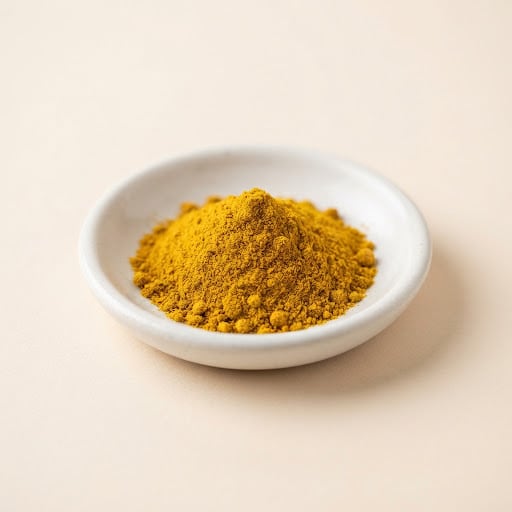
Babies can have curry powder from 6 months, in small amounts mixed into food. Choose a mild blend with no added salt, and check the label, since some blends contain mustard, wheat or other allergens. Curry powder is a low choking risk.
How to serve curry powder by age
Shapes and textures change as your baby’s grasp and chewing grow.

6 months
Stir a small pinch of mild curry powder into smooth foods like pureed lentils, sweet potato, pumpkin or chicken blended with a little coconut milk, and offer it on a spoon. Start with about 1/4 teaspoon in a family-sized dish and taste before serving.

7–8 months
Use mild curry powder in thicker, lumpier mashes like fork-mashed lentils or minced chicken curry with soft rice. Your baby can also hold soft pieces cooked with it, like a soft roasted sweet potato wedge or a strip of curried omelet that squashes easily.

9–12 months
Offer soft finger foods cooked with mild curry powder, such as chickpeas flattened between your fingers, tender cauliflower florets or strips of curried omelet. Keep the heat low and serve with plain yogurt.

12 months +
Toddlers can share mild family curries over rice, with soft cooked vegetables and tender meat or tofu. Cook the base without salt and season adult portions at the table.
Why it’s good
Curry powder is a mix of spices like turmeric, coriander, cumin and fenugreek, so it adds flavor and some plant compounds but very little nutrition in normal amounts. The bigger benefit is that curries are a tasty way to serve iron-rich lentils, beans and meat. Early exposure to spice may help babies accept a wider variety of family foods.
Safety notes
- Choose a mild curry powder. Hot or madras-style blends contain chili and can make food too spicy for a baby to enjoy.
- Read the label. Some blends contain salt, sugar, wheat flour, mustard or other allergens, and some ready-made curry sauces are very high in sodium.
- Keep amounts small at first, as large amounts of spice can upset a baby's tummy or cause a red bottom.
- Spices can sometimes be contaminated with lead. Buy from established brands and avoid imported spices that do not list a manufacturer or have recall notices.
A low-allergy food, still worth watching
Curry powder is not a common allergen, but some blends contain mustard, wheat, celery or other ingredients that can trigger reactions. Check the ingredient list and watch for hives, swelling or vomiting when you first serve it.
Curry powder for babies: questions parents ask
Quick answers about curry powder for babies and toddlers.
When can babies have curry powder?
Babies can have curry powder from 6 months, when they start eating solid foods. Use a mild, salt-free blend and start with a small pinch mixed into a soft food.
Can babies have curry powder?
Yes, babies can eat curry powder in the small amounts used for cooking. Curry powder adds flavor without salt and is enjoyed by babies around the world from their first foods.
Is curry powder a choking hazard for babies?
Curry powder is a low choking risk for babies because it is a fine powder mixed into food. Focus on making the foods in the curry safe, such as flattening chickpeas and cooking vegetables until soft.
Is curry powder a common allergen?
Curry powder is not a common allergen on its own, but some blends contain wheat, mustard or other allergens. Always read the ingredient list, especially if your baby has known food allergies.
How do I serve curry powder to a 6 month old?
To serve curry powder to a 6 month old, stir a tiny pinch of mild curry powder into mashed lentils, sweet potato or pumpkin. Mixing in a little plain yogurt or coconut milk keeps the flavor gentle.
Is curry powder too spicy for babies?
Mild curry powder is usually not too spicy for babies, because its main flavors come from turmeric, coriander and cumin. Hot blends contain chili, so start mild and watch your baby's reaction before adding any heat.
Are jarred curry sauces okay for babies?
Jarred curry sauces are often high in salt and sometimes sugar, so they are not ideal for babies. Make a simple homemade curry with curry powder, onion, tomato and coconut milk instead, and salt adult portions separately.
What is the difference between curry powder and garam masala?
Curry powder is a turmeric-based blend that tastes warm and earthy, while garam masala is a warmer blend with cinnamon, cardamom, cloves and pepper. Both are fine for babies in small amounts, as long as the blend is mild and salt-free.
Can curry powder stain or irritate my baby's skin?
Curry powder contains turmeric, which can temporarily stain skin, clothes and high chairs yellow. A little redness around the mouth can come from spice contact and usually fades quickly, but hives or swelling should be checked by your doctor.
The takeaway
- Babies can have curry powder from 6 months, in small amounts mixed into food.
- Stir a small pinch of mild curry powder into smooth foods like pureed lentils, sweet potato, pumpkin or chicken blended with a little coconut milk, and offer it on a spoon.
- Choking risk is low. Not a Top 9 allergen, but offer a small amount first and watch for any reaction.
Read next


Sources
This guide follows current advice from these organizations.
- Starting Solid Foods American Academy of Pediatrics (HealthyChildren.org)
- When, What, and How to Introduce Solid Foods Centers for Disease Control and Prevention
- Choking Hazards Centers for Disease Control and Prevention
- Foods and Drinks to Avoid or Limit Centers for Disease Control and Prevention
Track every new food in your baby’s passport
Track the first 100 foods and the Top 9 allergens. 7 days free.
More herbs and spices for babies
Updated November 2026. Reviewed by our dietitians. Based on AAP, CDC and NIAID guidance. Written for healthy, full-term babies; not a substitute for your pediatrician. If your baby was born early, has a medical condition, feeding difficulties or a known allergy, check with them first (medical disclaimer). Always stay with your baby while they eat.