
Herbs & spices Food Library
When can babies have coriander seed?
Can babies have coriander seed?
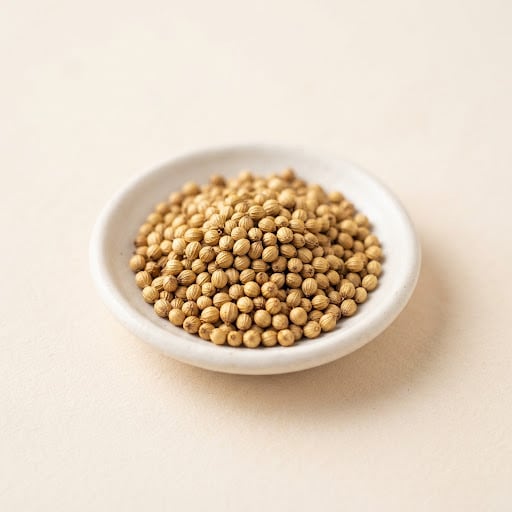
Babies can have ground coriander seed from about 6 months as a seasoning in their food. Ground coriander is a low choking risk, while whole seeds are best ground or strained out. Coriander seed is not a common allergen, though it can rarely cause reactions.
How to serve coriander seed by age
Shapes and textures change as your baby’s grasp and chewing grow.

6 months
Stir a small pinch of ground coriander into smooth purees like carrot, lentil or sweet potato, or into plain yogurt. Use coriander instead of salt to add flavor.

7–8 months
Season thicker, lumpier mashes of lentils, carrots or rice with ground coriander, or sprinkle it on soft roasted vegetables or soft meatballs your baby can hold. Keep using ground coriander rather than whole seeds.

9–12 months
Season soft meatballs, dal, roasted vegetables and rice with ground coriander. If a recipe uses whole seeds, toast and grind them, or strain them out before serving.

12 months +
Toddlers can eat coriander in family curries, stews, spice rubs and baked goods. Check spice blends for added salt, and keep heat from chili mild.
Why it’s good
Coriander seed is used in tiny amounts, so it adds little nutrition. Its main value is a warm, slightly citrusy flavor that helps babies accept a wide range of tastes without salt or sugar.
Safety notes
- Use ground coriander for babies. Whole seeds are small and hard and can be tricky to chew, so grind or strain them out.
- Spice blends like curry powder, garam masala or taco seasoning often contain salt and chili. Read labels and pick salt-free versions.
- Use a pinch at a time. Large amounts of any spice can upset a baby's stomach.
- Some ground spices have been recalled for lead. Buy from trusted brands and watch for recall notices.
A low-allergy food, still worth watching
Coriander seed is not a Top 9 allergen. Spice allergies are uncommon, but people with allergies to celery, carrot, fennel or mugwort pollen may react to coriander, so start with a small pinch.
Coriander seed for babies: questions parents ask
Quick answers about coriander seed for babies and toddlers.
When can babies have coriander seed?
Babies can have ground coriander seed from about 6 months as a seasoning in their food. Coriander seed adds flavor without salt and can be stirred into many baby foods.
Can babies have coriander?
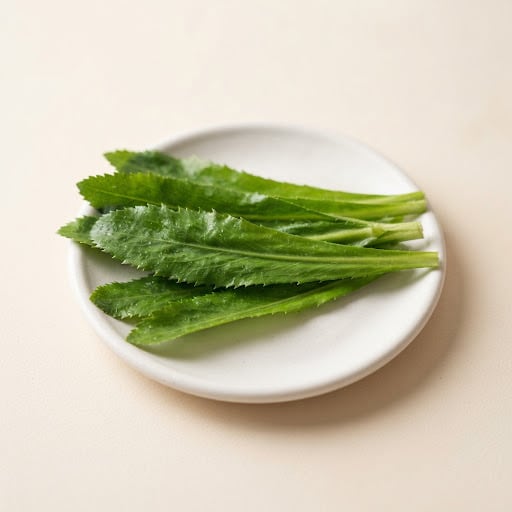
Yes, babies can eat coriander, both the ground seed and the fresh leaves known as cilantro. A small pinch of ground coriander is enough to flavor a meal.
Are coriander seeds a choking hazard for babies?
Ground coriander seed is a low choking risk for babies. Whole coriander seeds are small and hard, so grind them or strain them out of dishes for babies and young toddlers.
Is coriander a common allergen?
No, coriander is not a common allergen and is not one of the Top 9. Rarely, children with allergies to related plants like celery or fennel may react to coriander.
How do I serve coriander seed to a 6 month old?
To serve coriander seed to a 6 month old, stir a small pinch of ground coriander into a soft food like mashed carrot, lentils or plain yogurt. Start with a little and build up as your baby gets used to the flavor.
Is coriander seed the same as cilantro?
Coriander seed and cilantro come from the same plant. Cilantro is the fresh leaf and coriander seed is the dried fruit, which tastes warm and lemony rather than fresh and grassy.
Is coriander good for baby gas or colic?
Coriander is a traditional remedy for tummy troubles, but there is little evidence that it helps baby gas or colic. Do not give coriander teas or water to babies, and talk to your pediatrician about ongoing fussiness.
Which spice blends with coriander are safe for babies?
Salt-free blends like mild curry powder or homemade garam masala that contain coriander are fine for babies in small amounts. Avoid blends with added salt, sugar or a lot of chili.
The takeaway
- Babies can have ground coriander seed from about 6 months as a seasoning in their food.
- Stir a small pinch of ground coriander into smooth purees like carrot, lentil or sweet potato, or into plain yogurt.
- Choking risk is low. Not a Top 9 allergen, but offer a small amount first and watch for any reaction.
Read next



Sources
This guide follows current advice from these organizations.
- Starting Solid Foods American Academy of Pediatrics (HealthyChildren.org)
- When, What, and How to Introduce Solid Foods Centers for Disease Control and Prevention
- Choking Hazards Centers for Disease Control and Prevention
Track every new food in your baby’s passport
Track the first 100 foods and the Top 9 allergens. 7 days free.
More herbs and spices for babies
Updated November 2026. Reviewed by our dietitians. Based on AAP, CDC and NIAID guidance. Written for healthy, full-term babies; not a substitute for your pediatrician. If your baby was born early, has a medical condition, feeding difficulties or a known allergy, check with them first (medical disclaimer). Always stay with your baby while they eat.