
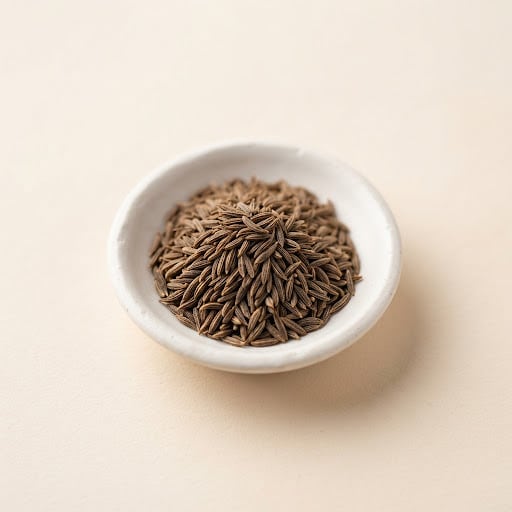
Herbs & spices Food Library
When can babies have cumin?
Can babies have cumin?
Babies can have cumin from 6 months, when they start solids. Cumin is a warm, earthy spice that adds flavor without salt, so a small pinch stirred into soft foods is a great way to widen your baby's tastes. Ground cumin is a low choking risk and is not a common allergen.
How to serve cumin by age
Shapes and textures change as your baby’s grasp and chewing grow.

6 months
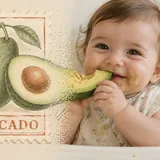
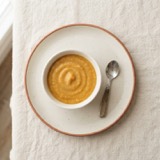
Stir a small pinch of ground cumin into smooth purees your baby already enjoys, such as sweet potato, lentils, avocado or blended chicken. Start with about 1/8 teaspoon in a family-sized dish and taste it yourself first. Skip whole seeds for now.

7–8 months
Season thicker, lumpier mashes like fork-mashed lentils, beans or minced chicken with ground cumin, or sprinkle a little on soft roasted carrot or sweet potato wedges that squash easily between your fingers.

9–12 months
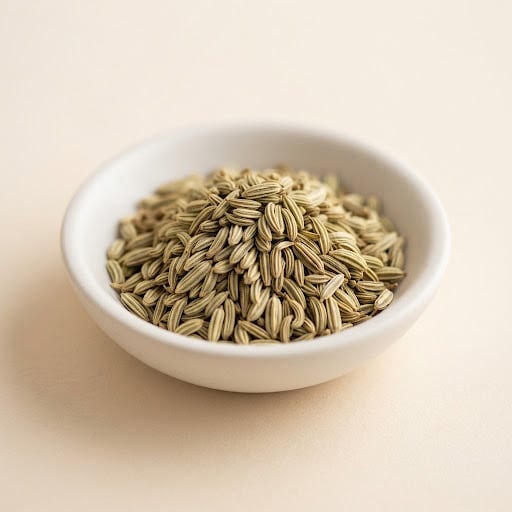
Use cumin in soft finger foods like bean patties, roasted carrot wedges cooked until they squash easily, or scrambled egg strips. You can toast whole seeds and then grind them, but avoid serving loose whole seeds in quantity.

12 months +
Toddlers can enjoy cumin in family dishes like chili, tacos, dal and roasted vegetables. Whole seeds cooked into rice or stews are fine at this age. Use cumin and other spices instead of salt to keep meals flavorful.
Why it’s good
Cumin is used in such small amounts that it adds little nutrition, though the spice itself contains some iron and plant compounds. Its real value for babies is flavor: early exposure to a range of spices may help children accept more varied foods later. Cumin also lets you season family food without adding salt.
Safety notes
- Use ground cumin for young babies. Whole seeds are tiny and not a big choking risk, but they can be surprising and hard to manage in a new eater's mouth.
- Check spice blends and seasoning packets that contain cumin, like taco or chili mixes. Many are high in salt and some contain added sugar, wheat or other allergens.
- Keep amounts small at first. A large amount can upset a baby's tummy or make food taste too strong to enjoy.
- Store cumin in a cool, dry, sealed jar. Old spice loses flavor, and damp spice can grow mold, so throw it out if it clumps or smells musty.
A low-allergy food, still worth watching
Cumin is not a common allergen, though rare spice allergies have been reported, sometimes in people with pollen or celery allergies. Offer a small amount at first and watch for hives, swelling, vomiting or breathing changes.
Cumin for babies: questions parents ask
Quick answers about cumin for babies and toddlers.
When can babies have cumin?
Babies can have cumin from 6 months, as soon as they are ready for solid food. Start with a small pinch of ground cumin mixed into a soft food your baby already enjoys.
Can babies have cumin?
Yes, babies can eat cumin in the small amounts used for cooking. Cumin is a mild, earthy spice rather than a hot one, so it rarely bothers babies and adds flavor without salt.
Is cumin a choking hazard for babies?
Cumin is a low choking risk for babies when it is ground and mixed into food. Whole cumin seeds are small and soft once cooked, but ground cumin is easier for new eaters, and you should always stay with your baby during meals.
Is cumin a common allergen?
No, cumin is not a common allergen and is not one of the Top 9 food allergens. Rare reactions to spices do happen, so watch your baby the first few times cumin is served.
How do I serve cumin to a 6 month old?
To serve cumin to a 6 month old, stir a tiny pinch of ground cumin into mashed sweet potato, pureed lentils, avocado or smooth chicken puree. Taste the food first and keep the flavor gentle.
Is cumin spicy for babies?
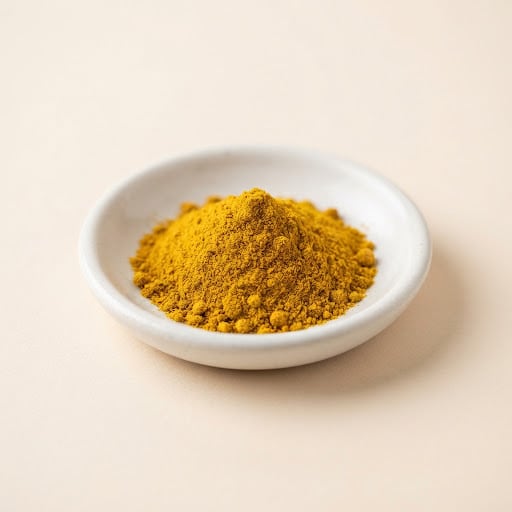
Cumin is not spicy in the hot sense, because it contains no chili heat. Cumin tastes warm, earthy and slightly bitter, which most babies accept well, but watch blends like chili powder that add cayenne.
Can cumin help with baby gas or digestion?
Cumin has a traditional reputation for easing gas, but there is no good evidence that it treats colic or gas in babies. Do not give cumin water, teas or supplements to babies; simply use cumin as a seasoning in food.
Are taco and chili seasoning packets safe for babies?
Taco and chili seasoning packets often contain a lot of salt, and some include sugar, wheat or hot chili. For babies, make your own mix with plain ground cumin, garlic powder, paprika and oregano instead.
How much cumin can a baby have?
A baby only needs a small amount of cumin, such as a pinch per serving or about 1/8 to 1/4 teaspoon in a family-sized dish. You can increase cumin slowly as your baby gets used to stronger flavors.
The takeaway
- Babies can have cumin from 6 months, when they start solids.
- Stir a small pinch of ground cumin into smooth purees your baby already enjoys, such as sweet potato, lentils, avocado or blended chicken.
- Choking risk is low. Not a Top 9 allergen, but offer a small amount first and watch for any reaction.
Read next


Sources
This guide follows current advice from these organizations.
- Starting Solid Foods American Academy of Pediatrics (HealthyChildren.org)
- When, What, and How to Introduce Solid Foods Centers for Disease Control and Prevention
- Choking Hazards Centers for Disease Control and Prevention
- Foods and Drinks to Avoid or Limit Centers for Disease Control and Prevention
- Dietary Guidelines for Americans, 2020-2025 U.S. Department of Agriculture and HHS
Track every new food in your baby’s passport
Track the first 100 foods and the Top 9 allergens. 7 days free.
Recipes with cumin
More herbs and spices for babies
Updated November 2026. Reviewed by our dietitians. Based on AAP, CDC and NIAID guidance. Written for healthy, full-term babies; not a substitute for your pediatrician. If your baby was born early, has a medical condition, feeding difficulties or a known allergy, check with them first (medical disclaimer). Always stay with your baby while they eat.