
No. 78 · Veggies Passport food
When can babies have corn?
Can babies eat corn?
Babies can have corn from about 6 months, as soon as they are ready for solids. Loose whole kernels are a choking risk for babies, so start with smooth blended corn on a spoon, then offer mashed or flattened kernels and soft polenta from 7–8 months. Corn on the cob can wait until after 12 months, and popcorn is a choking hazard that should wait until at least age 4.
How to serve corn by age
Shapes and textures change as your baby’s grasp and chewing grow.

6 months
Blend cooked corn kernels until completely smooth with a little breast milk or formula, then press the puree through a sieve if the skins stay gritty. Serve it on a spoon or pre-loaded spoon, or stir it into smooth sweet potato or soft polenta porridge.

7–8 months
Mash or flatten cooked kernels into thicker purees, soft polenta or scrambled egg, or offer soft corn fritters that squash easily between your fingers. Corn on the cob is too hard to gnaw safely at this age, so cut the kernels off the cob and mash them.

9–12 months
Serve loose kernels only after mashing or flattening each one. Mashed kernels are also great mixed into fritters, scrambled egg, polenta or soft corn cakes, cut into small pieces.

12 months +
Toddlers can start eating whole cooked kernels in family meals such as soups, rice, salads and tacos. Stay close, since whole kernels can still be inhaled. Keep popcorn off the menu until at least 4 years old.
Why it’s good
Sweet corn gives babies carbohydrates for energy, fiber, B vitamins such as thiamin and folate, and some vitamin C. Yellow corn also contains lutein and zeaxanthin, plant pigments linked to eye health. After 12 months, corn on the cob gives toddlers great oral motor practice, as they learn to bite, scrape and move food around the mouth.
Safety notes
- Loose whole kernels are a choking risk for babies under 12 months. Mash, blend or flatten kernels before serving.
- Popcorn is a choking hazard and is not safe for children under 4 years old. Unpopped kernels and hulls are especially risky.
- Corn on the cob is not for babies. After 12 months, cook it soft, watch that your child is scraping kernels rather than biting off large chunks of cob, and take the cob away if it starts to splinter.
- Canned corn and creamed corn can be high in salt and sometimes sugar. Choose no-salt-added cans and rinse kernels, or use plain frozen corn.
- Hard, crunchy corn snacks like corn chips and corn nuts are choking hazards for babies and toddlers. Corn puffs that melt in the mouth are lower risk but are best as an occasional snack.
A low-allergy food, still worth watching
Corn is not one of the Top 9 allergens and true corn allergy is uncommon, though it does happen. Watch for hives, swelling, vomiting or eczema flares the first few times, and talk to your pediatrician if you see a reaction.
Corn for babies: questions parents ask
Quick answers about corn for babies and toddlers.
When can babies have corn?
Babies can have corn from about 6 months, as soon as they are ready for solids. Corn should be blended smooth at first, then served as mashed or flattened kernels from 7–8 months, rather than as loose whole kernels.
Can babies eat corn?
Yes, babies can eat corn from around 6 months when it is cooked and served in a safe form. Smooth corn puree and polenta porridge come first, then mashed kernels and soft corn fritters from 7–8 months.
Is corn a choking hazard for babies?
Corn is a moderate choking risk for babies because loose whole kernels are small and firm and can be inhaled. Mash or flatten corn kernels before 12 months, save corn on the cob for after 12 months, and never give popcorn to children under 4.
Is corn a common allergen?
No, corn is not one of the Top 9 common food allergens. Corn allergy is uncommon, but watch for hives, swelling, vomiting or eczema flares the first few times you serve corn.
How do I serve corn to a 6 month old?
To serve corn to a 6 month old, blend cooked kernels into a smooth puree with a little breast milk or formula and offer it on a spoon, or serve soft polenta porridge. Mashed kernels and soft corn fritters can follow at 7–8 months.
Is it normal to see corn in my baby's poop?
Yes, seeing corn in a baby's poop is normal. The outer skin of a corn kernel is made of tough fiber that humans cannot fully digest, so it often passes through looking almost whole.
Can babies eat corn on the cob?
Corn on the cob is best saved until after 12 months, because babies can bite off firm chunks of cob or kernels. Before then, cut the cooked kernels off the cob and mash or flatten them, and stay close when your toddler first eats corn on the cob.
Can babies eat canned or frozen corn?
Babies can have canned or frozen corn once it is cooked soft and mashed or flattened. Choose no-salt-added canned corn and rinse it, or use plain frozen corn, and avoid creamed corn with added salt and sugar.
When can babies have popcorn?
Popcorn is a choking hazard and should not be given to children under 4 years old. Popcorn is light and irregular, so pieces and hard hulls can be breathed into the airway; mashed kernels or polenta are safer ways to enjoy corn.
Can babies eat polenta and corn tortillas?
Yes, babies can eat polenta and soft corn tortillas. Serve polenta as soft porridge on a spoon from 6 months, then soft-set polenta fingers that squash easily from 7–8 months, and small pieces of soft warm corn tortilla from 9–12 months, choosing low-sodium options.
Is corn good for babies?
Yes, corn is a healthy food for babies from about 6 months, giving energy, fiber and B vitamins. Loose whole kernels are a choking risk, so serve corn blended smooth at first, then mashed or flattened kernels and soft polenta from 7–8 months. Popcorn waits until at least age 4.
Is corn good for toddlers?
Yes, corn is a good food for toddlers over 12 months, adding fiber, B vitamins and sweet flavor to meals. Toddlers can eat whole cooked kernels in soups, rice and tacos, and soft corn on the cob is good chewing practice. Keep popcorn off the menu until at least age 4.
The takeaway
- Babies can have corn from about 6 months, as soon as they are ready for solids.
- Blend cooked corn kernels until completely smooth with a little breast milk or formula, then press the puree through a sieve if the skins stay gritty.
- Choking risk is medium. Not a Top 9 allergen, but offer a small amount first and watch for any reaction.
Read next



Sources
This guide follows current advice from these organizations.
- Starting Solid Foods American Academy of Pediatrics (HealthyChildren.org)
- When, What, and How to Introduce Solid Foods Centers for Disease Control and Prevention
- Choking Hazards Centers for Disease Control and Prevention
- Choking Prevention American Academy of Pediatrics (HealthyChildren.org)
Recipes with sweet corn
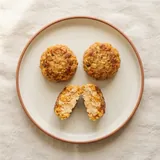
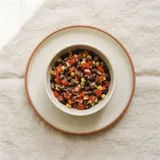
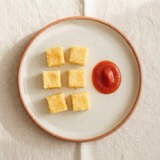
Stamp sweet corn in your baby’s passport
Track the first 100 foods and the Top 9 allergens. 7 days free.
More vegetables for babies
Updated November 2026. Reviewed by our dietitians. Based on AAP, CDC and NIAID guidance. Written for healthy, full-term babies; not a substitute for your pediatrician. If your baby was born early, has a medical condition, feeding difficulties or a known allergy, check with them first (medical disclaimer). Always stay with your baby while they eat.