
Protein Food Library
When can babies have clams?
Can babies eat clams?
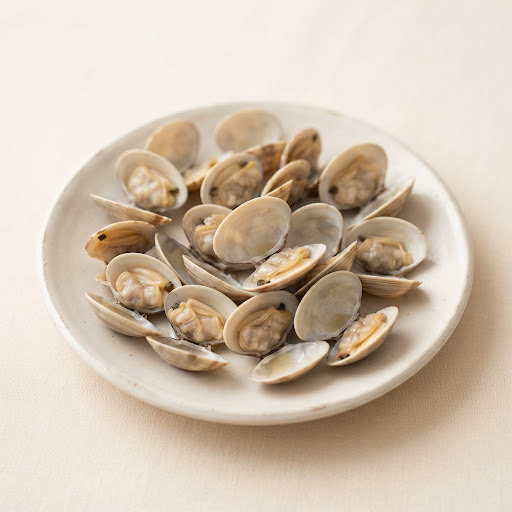
Babies can have clams from about 6 months if they are fully cooked and finely chopped or minced into other food. Clams are chewy and rubbery, so whole clams are a choking hazard for babies. Clams are a mollusk, a type of shellfish, so introduce them carefully and never serve them raw.
How to serve clams by age
Shapes and textures change as your baby’s grasp and chewing grow.

6 months
Steam or boil clams until the shells open and the meat is fully cooked, remove the meat from the shells and blend it smooth with a little cooking liquid or vegetable puree. Stir it into mashed potato or a smooth vegetable puree and offer it on a spoon.

7–8 months
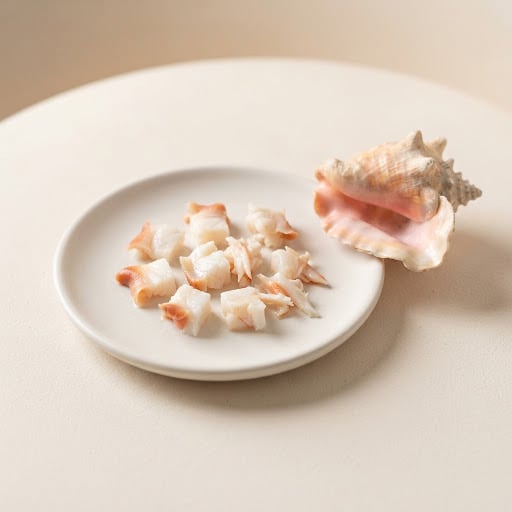
Mince cooked clams very finely and stir them into thicker, lumpier foods like mashed potato, soft rice, risotto or a thick vegetable mash. Keep pieces tiny, since clam meat stays chewy and does not squash.

9–12 months
Keep mincing cooked clams and mix them into soft pasta, fritters, omelet strips or chowder thickened enough to scoop. Clam pieces should be no bigger than a grain of rice since they stay chewy.

12 months +
Toddlers can have chopped cooked clams in pasta sauces, low-sodium chowder and rice dishes. Continue to chop clams into small pieces, and wait until about age 2 before offering whole small clams to eat from the shell, if at all.
Why it’s good
Clams are one of the richest sources of iron and vitamin B12, both important for a baby's blood and brain development. They also provide protein, zinc, selenium and some omega-3 fats. A small spoonful of minced clams adds a big nutrient boost to a meal.
Safety notes
- Never serve raw or undercooked clams to babies or toddlers. Cook clams until the shells open, then keep cooking for a few more minutes, and discard any that stay closed.
- Clams are tough, rubbery and hard to chew. Mince or finely chop them for babies, and never serve whole clams or large pieces.
- Buy clams from a trusted seller and check local shellfish advisories if harvesting your own. Clams from contaminated water can cause serious illness, including shellfish poisoning that cooking does not destroy.
- Canned clams and clam juice are high in sodium. Rinse canned clams and choose low-sodium products, or use fresh clams cooked without salt.
- Check carefully for bits of shell and sand. Rinse clams well and pick through minced meat before serving.
Mollusk shellfish: introduce it carefully
Clams are mollusks. US labeling law lists only crustacean shellfish (shrimp, crab, lobster) as a Top 9 allergen, but mollusk allergy does happen and some children react to both. Offer a small amount of well-cooked clam first and watch for hives, vomiting, swelling, coughing or wheezing; talk to your pediatrician first if your baby has a known shellfish allergy.
Clams for babies: questions parents ask
Quick answers about clams for babies and toddlers.
When can babies have clams?
Babies can have clams from about 6 months, as long as the clams are fully cooked and finely minced into another food. Clams are a shellfish allergen, so start with a small amount.
Can babies eat clams?
Yes, babies can eat clams when they are cooked thoroughly and minced. Clams are very rich in iron and vitamin B12, which makes them a valuable food for growing babies.
Are clams a choking hazard for babies?
Yes, clams can be a choking hazard because they are chewy, rubbery and hard to break down. Mince clams finely and mix them into soft foods, and never give whole clams to babies.
Are clams a common allergen?
Clams are mollusk shellfish. They are not on the US Top 9 list, which covers crustacean shellfish like shrimp and crab, but mollusk allergy does happen, so introduce clams carefully. Clams are mollusks, and while some people react only to crustaceans like shrimp, others react to mollusks, so introduce clams carefully.
How do I serve clams to a 6 month old?
To serve clams to a 6 month old, steam fresh clams until they open, take the meat out of the shells, and blend it smooth into a food like mashed potato or vegetable puree. Offer it on a spoon. Finely minced clams in lumpier foods can follow at 7–8 months.
Can babies eat canned clams?
Babies can have canned clams if you choose a low-sodium option, rinse them well and mince them. Canned clams are already cooked, which makes them a convenient way to add iron to meals.
Can babies eat raw clams?
No, babies and young children should never eat raw clams. Raw shellfish can carry bacteria and viruses such as Vibrio and norovirus that are especially dangerous for young children.
How do I know if clams are safe to cook?
Fresh clams should be alive before cooking, with tightly closed shells or shells that close when tapped. Throw away clams with cracked shells, clams that stay open before cooking, and clams that do not open after cooking.
Can babies eat clam chowder?
Babies can have a small amount of homemade clam chowder made with little or no salt and finely chopped clams. Canned and restaurant clam chowders are usually high in sodium, so keep them occasional for toddlers.
The takeaway
- Babies can have clams from about 6 months if they are fully cooked and finely chopped or minced into other food.
- Steam or boil clams until the shells open and the meat is fully cooked, remove the meat from the shells and blend it smooth with a little cooking liquid or vegetable puree.
- Choking risk is medium. Not a Top 9 allergen, but offer a small amount first and watch for any reaction.
Read next


Sources
This guide follows current advice from these organizations.
- Starting Solid Foods American Academy of Pediatrics (HealthyChildren.org)
- When, What, and How to Introduce Solid Foods Centers for Disease Control and Prevention
- Choking Hazards Centers for Disease Control and Prevention
- Choking Prevention American Academy of Pediatrics (HealthyChildren.org)
- Foods and Drinks to Avoid or Limit Centers for Disease Control and Prevention
- Iron Centers for Disease Control and Prevention
Track every new food in your baby’s passport
Track the first 100 foods and the Top 9 allergens. 7 days free.
More protein foods for babies
Updated November 2026. Reviewed by our dietitians. Based on AAP, CDC and NIAID guidance. Written for healthy, full-term babies; not a substitute for your pediatrician. If your baby was born early, has a medical condition, feeding difficulties or a known allergy, check with them first (medical disclaimer). Always stay with your baby while they eat.