
Herbs & spices Food Library
When can babies eat parsley?
Can babies have parsley?
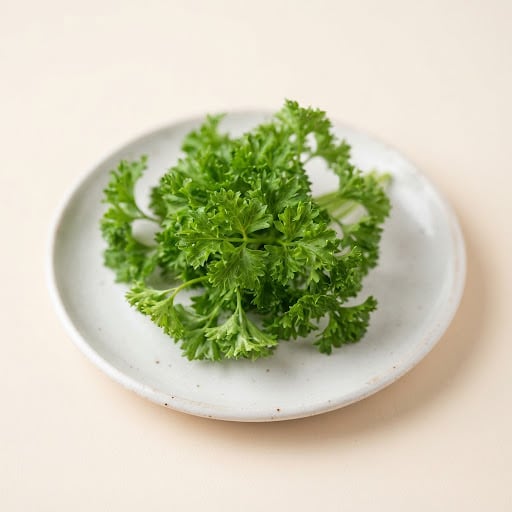
Babies can have parsley from about 6 months when it is finely chopped and mixed into food. Whole sprigs and large leaves can stick to the roof of the mouth and cause gagging, so mince parsley well for young babies. Parsley is not a common allergen.
How to serve parsley by age
Shapes and textures change as your baby’s grasp and chewing grow.

6 months
Blend fresh flat-leaf or curly parsley into smooth purees and sauces, such as mashed potato, pea puree, smooth hummus or yogurt, so there are no loose leaves. Offer it on a spoon.

7–8 months
Finely mince parsley and stir it into lumpier foods like fork-mashed potato, scrambled egg or yogurt dips. It also works in soft meatballs or lentil patties that squash easily for your baby to hold.

9–12 months
Keep mincing parsley finely and mix it into finger foods like lentil patties, fish cakes, omelet strips or pasta. Chopped parsley sticks well to moist foods, which makes them easier to pick up.

12 months +
Toddlers can eat chopped parsley in salads like tabbouleh, on pasta and in soups. Whole sprigs can still be tricky to chew, so keep chopping parsley until your child handles leafy greens well.
Why it’s good
Parsley offers vitamin K, vitamin C, vitamin A and folate, even in the small amounts used in cooking. Its fresh, bright flavor helps babies learn to enjoy herbs and green foods. Parsley contains some iron, but in typical amounts it is not a main iron source, and its vitamin C can help iron from other foods absorb.
Safety notes
- Whole sprigs and large leaves can stick to the roof of the mouth or the back of the throat. Mince parsley finely and mix it into moist food.
- Wash parsley well under running water to remove grit and soil, then pat dry before chopping.
- Use parsley as a food herb, not as a strong tea, juice, essential oil or supplement for babies.
- Large daily amounts of parsley are high in vitamin K. If your child takes a blood thinner, check with their doctor about leafy herbs.
- Store fresh parsley stems in a glass of water in the fridge, loosely covered, and throw out leaves that turn slimy.
A low-allergy food, still worth watching
Parsley is not one of the Top 9 allergens, and parsley allergy is uncommon. Rare reactions have been reported, sometimes in people with celery or mugwort pollen allergy, so offer a small amount first and watch for rash, hives, vomiting or swelling.
Parsley for babies: questions parents ask
Quick answers about parsley for babies and toddlers.
When can babies eat parsley?
Babies can have parsley from about 6 months, when they start solid foods. Parsley should be finely chopped and mixed into other foods for young babies.
Can babies have parsley?
Yes, babies can eat parsley from 6 months as a chopped herb in food. Parsley adds flavor and a little vitamin K and vitamin C to meals.
Is parsley a choking hazard for babies?
Parsley is a low choking risk when finely minced and mixed into moist food. Whole leaves and sprigs can stick in the mouth and cause gagging or coughing, so chop parsley well for babies.
Is parsley a common allergen?
No, parsley is not a common allergen and is not one of the Top 9 allergens. Reactions to parsley are rare but have been reported, especially in people with celery or pollen allergies.
How do I serve parsley to a 6 month old?
To serve parsley to a 6 month old, blend it or mince it very finely and stir it into smooth mashed vegetables, hummus or yogurt, so there are no loose leaves. Offer it on a spoon. Parsley in scrambled egg and soft patties can follow at 7–8 months.
Is parsley good for babies?
Yes, parsley is good for babies in the small amounts used in cooking. Parsley adds vitamins and fresh flavor without salt, and it helps babies get used to herbs.
Should I use curly or flat-leaf parsley for my baby?
Either curly or flat-leaf parsley is fine for babies. Flat-leaf parsley has a stronger flavor and is softer, while curly parsley is fluffier and needs to be chopped very finely.
Can babies have dried parsley?
Yes, babies can have dried parsley mixed into food from 6 months. Dried parsley is milder than fresh parsley and already in small flakes, so it is easy to stir into sauces and soups.
Can babies drink parsley tea or juice?
No, babies should not drink parsley tea or parsley juice. Concentrated herbal drinks are not recommended for babies, so use parsley only as a herb in food.
The takeaway
- Babies can have parsley from about 6 months when it is finely chopped and mixed into food.
- Blend fresh flat-leaf or curly parsley into smooth purees and sauces, such as mashed potato, pea puree, smooth hummus or yogurt, so there are no loose leaves.
- Choking risk is low. Not a Top 9 allergen, but offer a small amount first and watch for any reaction.
Read next


Sources
This guide follows current advice from these organizations.
- Starting Solid Foods American Academy of Pediatrics (HealthyChildren.org)
- When, What, and How to Introduce Solid Foods Centers for Disease Control and Prevention
- Choking Hazards Centers for Disease Control and Prevention
Track every new food in your baby’s passport
Track the first 100 foods and the Top 9 allergens. 7 days free.
Recipes with parsley
More herbs and spices for babies
Updated November 2026. Reviewed by our dietitians. Based on AAP, CDC and NIAID guidance. Written for healthy, full-term babies; not a substitute for your pediatrician. If your baby was born early, has a medical condition, feeding difficulties or a known allergy, check with them first (medical disclaimer). Always stay with your baby while they eat.