
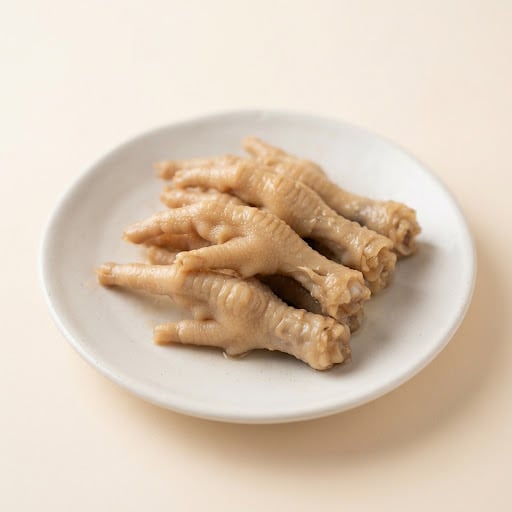
Protein Food Library
When can babies have chicken feet?
Can babies have chicken feet?
Babies can have chicken feet from about 6 months, mainly as a rich broth or with the soft, cooked skin and cartilage pulled off the bones. Whole chicken feet are full of tiny bones and are a high choking risk, so never hand a whole foot to a baby. Cook them thoroughly and skip added salt.
How to serve chicken feet by age
Shapes and textures change as your baby’s grasp and chewing grow.

6 months
Simmer cleaned chicken feet for several hours to make an unsalted broth, strain it through a fine sieve, and use it to cook grains, lentils or vegetables, or to thin smooth purees. You can also blend the very soft skin and tendon, with every bone removed, into a smooth puree.

7–8 months
Keep using the unsalted broth in lumpier mashes, porridge and soups. Pull off the very soft skin and tendon, check that no bones remain, mince it finely and mix it into mashed food.

9–12 months
Offer finely chopped, very soft skin and cartilage picked off the bones, mixed into rice, congee or noodles. Check carefully that no small bones remain.

12 months +
Toddlers can keep enjoying broth and finely chopped meat from chicken feet. Wait until your child is much older and can reliably eat around and spit out small bones before offering whole braised chicken feet, often closer to school age.
Why it’s good
Chicken feet are mostly skin, tendon and cartilage, so they are rich in collagen and gelatin, which give broth body and add protein. They provide small amounts of minerals but are not a strong iron source, so serve iron-rich foods like beef, beans or dark poultry meat alongside.
Safety notes
- Whole chicken feet contain many small, sharp bones that can lodge in the throat. Never offer a whole foot to a baby or young toddler.
- Cook chicken feet fully, to at least 165 F (74 C), and wash your hands, tools and counters after handling raw poultry.
- Before cooking, scrub the feet, trim off the toenails, and remove any tough yellow outer skin if your butcher has not already done so.
- Skip restaurant-style chicken feet such as dim sum versions, which are often fried and seasoned with salty or spicy sauces.
- Strain broth through a fine sieve so no bone fragments end up in your baby's food.
A low-allergy food, still worth watching
Chicken is not a common allergen, though poultry allergy can occur in rare cases. Offer a small amount the first time and watch for hives, vomiting, swelling or wheezing.
Chicken feet for babies: questions parents ask
Quick answers about chicken feet for babies and toddlers.
When can babies have chicken feet?
Babies can have chicken feet from about 6 months, as a broth or as soft skin and cartilage picked off the bones and finely chopped. Whole chicken feet should wait until a child can safely manage small bones.
Can babies have chicken feet?
Yes, babies can eat the soft, cooked skin and cartilage from chicken feet once every bone is removed. Chicken feet also make a rich, gelatin-filled broth that is easy to use in baby food.
Are chicken feet a choking hazard for babies?
Yes, whole chicken feet are a high choking risk for babies because they contain many small, sharp bones. Serve chicken feet as broth or as finely chopped soft meat with all bones removed.
Are chicken feet a common allergen?
No, chicken feet are not a common allergen. Poultry allergy is uncommon but possible, so introduce chicken feet in a small amount and watch for any reaction.
How do I serve chicken feet to a 6 month old?
To serve chicken feet to a 6 month old, simmer them for a few hours to make an unsalted broth, strain it well and use it to cook rice, lentils or vegetables into a smooth puree. You can also blend the very soft, deboned skin into a puree; finely minced skin mixed into lumpier mashes can follow at 7–8 months.
How do I clean chicken feet?
To clean chicken feet, scrub them under running water, trim off the toenails with kitchen shears, and peel away any tough yellow outer skin. Blanching chicken feet in boiling water for a few minutes makes the skin easier to remove.
Is chicken foot broth good for babies?
Chicken foot broth is a nourishing, gelatin-rich liquid that adds flavor and some protein to baby food. Make chicken foot broth without salt and use it as a cooking liquid rather than as a replacement for milk feeds.
Can toddlers eat dim sum chicken feet?
Dim sum chicken feet are usually fried, braised in salty sauces and full of small bones, so they are not a good choice for toddlers. Offer a little picked, deboned meat at home instead.
The takeaway
- Babies can have chicken feet from about 6 months, mainly as a rich broth or with the soft, cooked skin and cartilage pulled off the bones.
- Simmer cleaned chicken feet for several hours to make an unsalted broth, strain it through a fine sieve, and use it to cook grains, lentils or vegetables, or to thin smooth purees.
- Choking risk is high. Not a Top 9 allergen, but offer a small amount first and watch for any reaction.
Read next

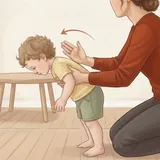

Sources
This guide follows current advice from these organizations.
- Starting Solid Foods American Academy of Pediatrics (HealthyChildren.org)
- When, What, and How to Introduce Solid Foods Centers for Disease Control and Prevention
- Choking Hazards Centers for Disease Control and Prevention
- Choking Prevention American Academy of Pediatrics (HealthyChildren.org)
- Foods and Drinks to Avoid or Limit Centers for Disease Control and Prevention
Track every new food in your baby’s passport
Track the first 100 foods and the Top 9 allergens. 7 days free.
More protein foods for babies
Updated November 2026. Reviewed by our dietitians. Based on AAP, CDC and NIAID guidance. Written for healthy, full-term babies; not a substitute for your pediatrician. If your baby was born early, has a medical condition, feeding difficulties or a known allergy, check with them first (medical disclaimer). Always stay with your baby while they eat.