
No. 61 · Veggies Passport food
When can babies have beets?
Can babies eat beets?
Babies can have beets from about 6 months, as soon as they are ready for solids. Roast, steam or boil beets until a knife slides in easily, then serve them as a smooth puree at 6 months and lumpy mash or soft wedges from 7–8 months. Raw beets are hard and a choking risk, and beets can turn pee and poop pink or red, which is harmless.
How to serve beets by age
Shapes and textures change as your baby’s grasp and chewing grow.

6 months
Roast or steam peeled beets until very soft, then blend them into a smooth puree, thinning with a little water, breast milk or formula. Serve it on a spoon on its own or swirled into plain yogurt, smooth hummus or mashed potato for a bright pink meal.

7–8 months
Mash soft cooked beets with a fork for a lumpier texture, or stir finely chopped cooked beet into yogurt or mashed potato. You can also offer soft-cooked beet wedges about the length of an adult finger that squash easily between your fingers.

9–12 months
Offer soft-cooked beets cut into small pieces about the size of a chickpea for pincer-grasp practice. Grated cooked beet also mixes well into fritters, pancakes and grain salads.

12 months +
Serve cooked beet pieces in family meals, salads and soups. Raw beets can be finely grated for toddlers who chew well, while raw chunks or slices should wait until your child is a confident chewer.
Why it’s good
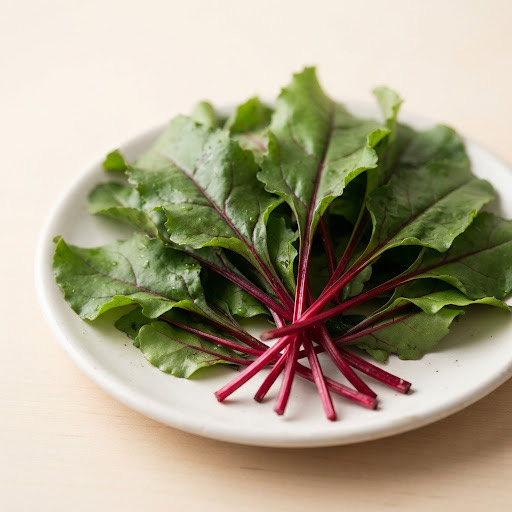
Beets give babies folate, manganese, potassium, fiber and some vitamin C. Their natural sweetness makes them an easy vegetable to like, and their color makes meals fun. Beet greens are also edible and provide vitamin K and vitamin A when cooked and finely chopped.
Safety notes
- Never serve raw beet chunks to babies. Raw beets are hard, so cook them until a knife slides in easily or grate them very finely for older toddlers.
- Pink or red pee and poop after eating beets is normal and harmless. If you are unsure whether it is beets or blood, or your baby seems unwell, call your pediatrician.
- Canned beets can contain added salt. Choose no-salt-added cans or rinse them. Pickled beets are salty and acidic, so keep them for older toddlers as an occasional food.
- Home-cooked beets are fine for babies from 6 months. Refrigerate cooked beets and purees promptly and use within 3 days, or freeze them.
- Beet juice stains. Use a bib, and golden or yellow beets are a less messy option.
A low-allergy food, still worth watching
Beets are not a common allergen, and allergic reactions to beets are rare. Offer a small amount the first time and watch for hives, swelling or vomiting, as with any new food.
Beets for babies: questions parents ask
Quick answers about beets for babies and toddlers.
When can babies have beets?
Babies can have beets from about 6 months, when they are ready for solids. Beets should be cooked until very soft and pureed at first, then mashed or served in soft wedges from 7–8 months.
Can babies eat beets?
Yes, babies can eat beets from 6 months when they are cooked soft. Beets are naturally sweet, colorful and a good source of folate.
Are beets a choking hazard for babies?
Beets carry a moderate choking risk because they are hard when raw or undercooked. Cook them until soft and cut them to the right size for baby's age. Keep raw beets finely grated and only for toddlers who chew well.
Are beets a common allergen?
No, beets are not a common allergen and are not one of the Top 9. Reactions to beets are rare, but watch for hives or vomiting the first few times.
How do I serve beets to a 6 month old?
To serve beets to a 6 month old, roast or steam peeled beets until a knife slides in easily, then blend them into a smooth puree. The puree can also be stirred into plain yogurt or mashed potato and served on a spoon; soft wedges can follow at 7–8 months.
Why is my baby's poop red after eating beets?
Red or pink poop and pee after eating beets is common and harmless, because the beet pigment passes through the body. If the color does not match a recent beet meal, or your baby has other symptoms, call your pediatrician to rule out blood.
Do I need to worry about nitrates in beets?
Home-prepared beets are safe for healthy babies 6 months and older. Nitrate concerns mainly apply to infants under 3 months and to private well water, so ask your pediatrician if you use well water to make purees.
Are canned beets OK for babies?
Canned beets are OK for babies if you choose no-salt-added varieties or rinse them before serving. Canned beets are already soft, but avoid pickled beets for babies because they are high in salt and vinegar.
Can babies eat beet greens?
Yes, babies can eat beet greens from 6 months when they are cooked until wilted and chopped very finely. Beet greens can be mixed into eggs, grains or purees just like spinach or kale.
What can I mix with beetroot for baby food?
Smooth beet puree mixes well with plain yogurt, mashed potato, smooth hummus, apple or pear puree, or sweet potato, all fine from 6 months. Pairing beets with a sweeter food like apple or pear softens their earthy taste, and yogurt or potato makes a bright pink meal.
Are beets good for babies?
Yes, beets are a good vegetable for babies from about 6 months when cooked until very soft. They give folate, manganese, potassium, fiber and some vitamin C, and their natural sweetness makes them easy to like; expect harmless pink or red pee and poop afterward.
Are beets good for toddlers?
Yes, beets are a good food for toddlers 12 months and older, adding folate, potassium and fiber to family meals. Serve soft cooked beet pieces in salads, soups or fritters, and offer finely grated raw beet rather than raw chunks until your child chews confidently.
The takeaway
- Babies can have beets from about 6 months, as soon as they are ready for solids.
- Roast or steam peeled beets until very soft, then blend them into a smooth puree, thinning with a little water, breast milk or formula.
- Choking risk is medium. Not a Top 9 allergen, but offer a small amount first and watch for any reaction.
Read next



Sources
This guide follows current advice from these organizations.
- Starting Solid Foods American Academy of Pediatrics (HealthyChildren.org)
- When, What, and How to Introduce Solid Foods Centers for Disease Control and Prevention
- Choking Hazards Centers for Disease Control and Prevention
- Choking Prevention American Academy of Pediatrics (HealthyChildren.org)
- Foods and Drinks to Avoid or Limit Centers for Disease Control and Prevention
- Infant Methemoglobinemia: The Role of Dietary Nitrate in Food and Water Greer FR, Shannon M; American Academy of Pediatrics. Pediatrics. 2005;116(3):784-786
Stamp beetroot in your baby’s passport
Track the first 100 foods and the Top 9 allergens. 7 days free.
More vegetables for babies
Updated November 2026. Reviewed by our dietitians. Based on AAP, CDC and NIAID guidance. Written for healthy, full-term babies; not a substitute for your pediatrician. If your baby was born early, has a medical condition, feeding difficulties or a known allergy, check with them first (medical disclaimer). Always stay with your baby while they eat.