
Veggies Food Library
When can babies have bean sprouts?
Can babies eat bean sprouts?
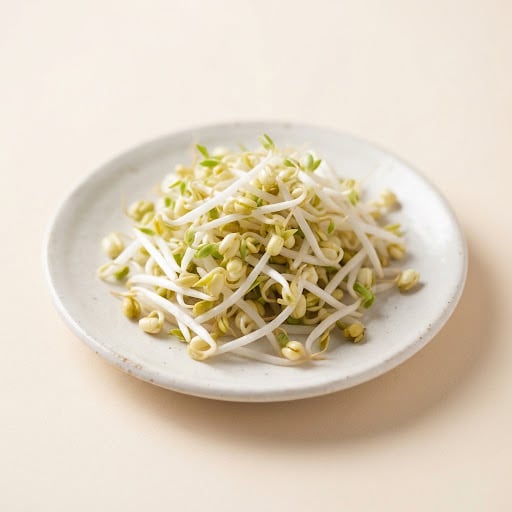
Babies can have bean sprouts from about 6 months, but only when they are cooked thoroughly until steaming hot. Raw bean sprouts can carry Salmonella, E. coli and Listeria, and health agencies advise that young children not eat them raw. Chop cooked sprouts into short pieces, since long stringy strands can make babies gag.
How to serve bean sprouts by age
Shapes and textures change as your baby’s grasp and chewing grow.

6 months
Boil bean sprouts until fully soft and steaming hot throughout, then blend them smoothly into a soup or vegetable puree and offer it on a spoon. Strands should not be left whole at this stage.

7–8 months
Cook bean sprouts until fully soft and steaming hot, then chop them very finely and mix them into soft noodles, rice porridge or scrambled egg. Keep pieces tiny so long strands cannot tangle in the mouth.

9–12 months
Offer well-cooked bean sprouts chopped into pieces about the size of a fingernail, mixed into fried rice, omelets or noodle dishes. Keep cutting long strands so they do not tangle in the mouth.

12 months +
Toddlers can have cooked bean sprouts in stir-fries, soups, pho and dumpling fillings. Keep serving them cooked, not raw, throughout early childhood, and cut long sprouts in half.
Why it’s good
Bean sprouts, usually from mung beans, give babies vitamin C, folate, vitamin K and a little plant protein and fiber. They are light, mild and crunchy-soft when cooked, which makes them easy to add to grain and egg dishes. Their vitamin C helps the body absorb iron from other foods.
Safety notes
- Never serve raw or lightly cooked bean sprouts to babies or young children. The warm, humid conditions used to grow sprouts help bacteria like Salmonella, E. coli and Listeria multiply, and rinsing does not remove them.
- Cook bean sprouts until they are steaming hot all the way through, not just wilted on top. Cooking thoroughly is what makes them safe.
- Long, stringy sprouts can tangle and cause gagging. Chop cooked bean sprouts into short pieces.
- Buy fresh, crisp, white sprouts that are refrigerated, and skip any that look slimy, brown or smell musty. Use them within a day or two.
- Soybean sprouts are made from soybeans, a Top 9 allergen. Check which bean the sprouts come from.
A low-allergy food, still worth watching
Mung bean sprouts are not a common allergen, but soybean sprouts come from soy, which is one of the Top 9 allergens. Introduce soy separately, and watch for hives, swelling or vomiting with any new sprout.
Bean sprouts for babies: questions parents ask
Quick answers about bean sprouts for babies and toddlers.
When can babies have bean sprouts?
Babies can have bean sprouts from about 6 months, but only when the sprouts are cooked thoroughly until steaming hot. Raw bean sprouts should be avoided for babies and young children because of the risk of food poisoning.
Can babies eat bean sprouts?
Yes, babies can eat bean sprouts when they are fully cooked and chopped into short pieces. Bean sprouts are mild and work well mixed into noodles, rice or egg dishes.
Are bean sprouts a choking hazard for babies?
Bean sprouts are a medium choking hazard because their long, stringy shape can tangle in the mouth and cause gagging. Cook bean sprouts until soft, chop them into short pieces, and always supervise your baby while eating.
Are bean sprouts a common allergen?
Mung bean sprouts are not a common allergen. Soybean sprouts, however, are made from soy, a Top 9 allergen, so check the package and introduce soy carefully.
How do I serve bean sprouts to a 6 month old?
To serve bean sprouts to a 6 month old, boil the sprouts until completely soft and hot throughout, then blend them smoothly into a soup, rice porridge or vegetable puree and offer it on a spoon. Very finely chopped cooked sprouts can follow at 7–8 months.
Why are raw bean sprouts unsafe for babies?
Raw bean sprouts are unsafe for babies because the warm, moist conditions used to sprout seeds also help bacteria grow, and washing cannot remove bacteria from inside the sprouts. Babies, young children, pregnant people and older adults are advised to eat sprouts only when thoroughly cooked.
How long should I cook bean sprouts for a baby?
Bean sprouts should be cooked until they are steaming hot all the way through, which usually takes a few minutes of boiling or stir-frying. A quick toss in a warm pan or a garnish on top of hot soup is not enough for a baby.
Are canned bean sprouts safe for babies?
Canned bean sprouts have been heat processed, so they do not carry the same raw sprout risk. Rinse canned bean sprouts to lower sodium, and chop them short before serving.
Can bean sprouts cause gas in babies?
Bean sprouts are usually easier to digest than whole beans, but some babies may still get a little gas. Offer small amounts of cooked bean sprouts at first and increase slowly.
The takeaway
- Babies can have bean sprouts from about 6 months, but only when they are cooked thoroughly until steaming hot.
- Boil bean sprouts until fully soft and steaming hot throughout, then blend them smoothly into a soup or vegetable puree and offer it on a spoon.
- Choking risk is medium. Not a Top 9 allergen, but offer a small amount first and watch for any reaction.
Read next



Sources
This guide follows current advice from these organizations.
- Starting Solid Foods American Academy of Pediatrics (HealthyChildren.org)
- When, What, and How to Introduce Solid Foods Centers for Disease Control and Prevention
- Choking Hazards Centers for Disease Control and Prevention
- Choking Prevention American Academy of Pediatrics (HealthyChildren.org)
- Preventing Listeria Infection Centers for Disease Control and Prevention
Recipes with bean sprouts
Track every new food in your baby’s passport
Track the first 100 foods and the Top 9 allergens. 7 days free.
More vegetables for babies
Updated November 2026. Reviewed by our dietitians. Based on AAP, CDC and NIAID guidance. Written for healthy, full-term babies; not a substitute for your pediatrician. If your baby was born early, has a medical condition, feeding difficulties or a known allergy, check with them first (medical disclaimer). Always stay with your baby while they eat.