
Veggies Food Library
When can babies have black garlic?
Can babies have black garlic?
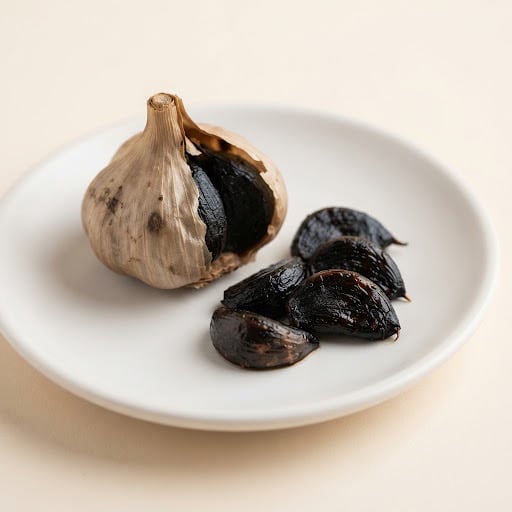
Babies can have black garlic from about 6 months as a flavoring mashed into other foods. Black garlic is regular garlic that has been slowly aged until it turns soft, sticky, sweet and mild. Use a small amount, and choose plain black garlic without added salt or sauces.
How to serve black garlic by age
Shapes and textures change as your baby’s grasp and chewing grow.

6 months
Mash a small black garlic clove into a smooth paste with a little olive oil or water, then stir a little into smooth purees like mashed potato, lentil puree or plain yogurt. Offer it on a spoon for a sweet, savory flavor.

7–8 months
Stir mashed black garlic into lumpier foods like fork-mashed potato, lentils or minced meat in sauce. You can also spread a very thin layer on soft toast strips or toss it with soft-cooked pasta for your baby to hold.

9–12 months
Keep mashing black garlic or chopping it finely, and mix it into scrambled eggs, rice, meatballs or roasted vegetables. Do not offer whole cloves, as the sticky texture can clump in the mouth.

12 months +
Toddlers can have black garlic mashed into dips, dressings, soups, stir-fries and pizza toppings. Slice or chop it into small pieces if you add it to dishes, and keep amounts moderate.
Why it’s good
Black garlic adds flavor to baby meals without needing salt, which helps babies learn to enjoy savory foods. Like fresh garlic, black garlic contains antioxidants and small amounts of minerals, but babies eat only tiny amounts, so it is a flavor booster rather than a main source of nutrients. The aging process makes black garlic sweeter and gentler on the tummy than raw garlic.
Safety notes
- Black garlic is soft but very sticky. Mash it smoothly and mix it into moist foods so it does not clump in your baby's mouth or stick to the palate.
- Do not offer whole black garlic cloves to babies. Whole cloves are sticky and can be hard to manage.
- Some black garlic products, pastes and sauces contain added salt, sugar or soy sauce. Check labels and choose plain black garlic for babies.
- Store black garlic in an airtight container in a cool, dry place or the fridge once opened, and throw it away if it shows mold or smells sour.
- Do not make black garlic at home by keeping garlic in oil at room temperature. Garlic stored in oil can grow botulism bacteria.
A low-allergy food, still worth watching
Black garlic is not a common allergen, and garlic allergy is rare. Children with allergies to onion, leek or other alliums may be more likely to react, so offer a small amount first and watch for rash, hives or vomiting.
Black garlic for babies: questions parents ask
Quick answers about black garlic for babies and toddlers.
When can babies have black garlic?
Babies can have black garlic from about 6 months, once they start solid foods. Black garlic should be mashed into a smooth paste and mixed into other foods in small amounts.
Can babies have black garlic?
Yes, babies can eat black garlic as a flavoring for their food. Black garlic is milder and sweeter than raw garlic, so many babies enjoy it mixed into vegetables, grains and eggs.
Is black garlic a choking hazard for babies?
Black garlic is a low choking risk when it is mashed and mixed into moist foods. Whole black garlic cloves are sticky and can clump in the mouth, so avoid serving them whole to babies.
Is black garlic a common allergen?
No, black garlic is not a common allergen, and garlic allergy is rare. Babies with allergies to other alliums like onion or leek may react, so start with a small taste.
How do I serve black garlic to a 6 month old?
To serve black garlic to a 6 month old, mash one small clove with a little olive oil or water into a smooth paste. Stir a little of the black garlic paste into mashed potato, lentil puree or plain yogurt and offer it on a spoon. Thin spreads on soft toast strips can follow at 7–8 months.
What is black garlic?
Black garlic is fresh garlic that has been kept at warm temperature and controlled humidity for several weeks until the cloves turn black, soft and sweet. Black garlic is not fermented with bacteria; the color and flavor come from a slow browning reaction.
Is black garlic easier on a baby's stomach than raw garlic?
Black garlic is usually gentler on the stomach than raw garlic because the long aging process mellows its sharp compounds. Some babies still get gassy with garlic, so start with small amounts of black garlic.
How much black garlic can a baby have?
A baby only needs a small amount of black garlic, such as half a clove to one clove mashed into a meal. Black garlic is a flavoring, so it is best used to season foods rather than eaten in large amounts.
Can babies have black garlic sauce or paste?
Store-bought black garlic sauces and pastes often contain salt, sugar or soy sauce, so check the label before giving them to a baby. Plain black garlic cloves mashed at home are the best choice for babies under 2.
The takeaway
- Babies can have black garlic from about 6 months as a flavoring mashed into other foods.
- Mash a small black garlic clove into a smooth paste with a little olive oil or water, then stir a little into smooth purees like mashed potato, lentil puree or plain yogurt.
- Choking risk is low. Not a Top 9 allergen, but offer a small amount first and watch for any reaction.
Read next


Sources
This guide follows current advice from these organizations.
- Starting Solid Foods American Academy of Pediatrics (HealthyChildren.org)
- When, What, and How to Introduce Solid Foods Centers for Disease Control and Prevention
- Choking Hazards Centers for Disease Control and Prevention
- Foods and Drinks to Avoid or Limit Centers for Disease Control and Prevention
Recipes with black garlic
Track every new food in your baby’s passport
Track the first 100 foods and the Top 9 allergens. 7 days free.
More vegetables for babies

Updated November 2026. Reviewed by our dietitians. Based on AAP, CDC and NIAID guidance. Written for healthy, full-term babies; not a substitute for your pediatrician. If your baby was born early, has a medical condition, feeding difficulties or a known allergy, check with them first (medical disclaimer). Always stay with your baby while they eat.