
Veggies Food Library
When can babies have artichokes?
Can babies have artichokes?
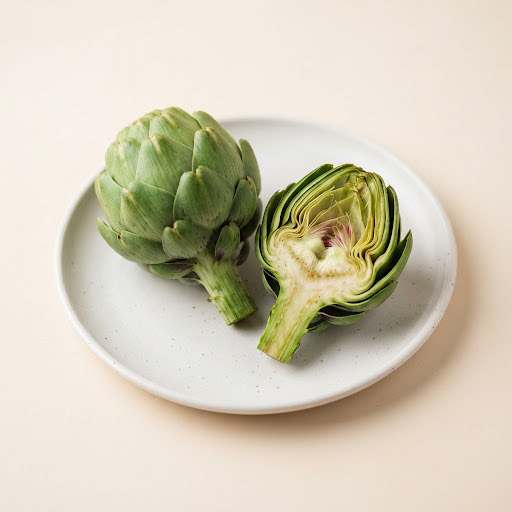
Babies can have artichokes from about 6 months, as long as the artichoke is cooked until very soft and the fuzzy choke and tough outer leaves are removed. The tender heart and the soft base of the inner leaves are the parts to offer. Fried artichokes are crispy and harder to manage, so save them for toddlers.
How to serve artichokes by age
Shapes and textures change as your baby’s grasp and chewing grow.

6 months
Steam or boil artichoke until a knife slides easily into the base, remove the fuzzy choke completely, and blend or mash the heart until smooth, thinning it with a little cooking water, breast milk or formula. You can also scrape the soft flesh from the base of cooked leaves into the puree and serve it on a spoon.

7–8 months
Fork-mash the soft-cooked heart so it has small lumps, or mix it with mashed potato or white beans. Large soft quarters of heart that squash easily between your fingers are fine for your baby to hold now.

9–12 months
Cut soft-cooked artichoke hearts into small, thin pieces for pincer practice, or mix chopped hearts into pasta, risotto or scrambled eggs. Rinse canned hearts well, and avoid tough or stringy leaf pieces.

12 months +
Toddlers can try scraping the soft base of a cooked leaf with their teeth, with you showing them how and taking the leaf back after. Keep serving bite-size pieces of heart, and wait until around 2 years for crispy fried artichokes.
Why it’s good
Artichokes give babies fiber, folate, vitamin K, vitamin C, magnesium and potassium, along with a small amount of iron. They are rich in inulin, a prebiotic fiber that feeds healthy gut bacteria and can help keep stools soft. The mild, nutty taste of the heart is a nice change from sweeter veggies.
Safety notes
- Always remove the fuzzy choke at the center. Its fine hairs are inedible and can irritate or stick in the throat.
- Remove the tough outer leaves and sharp tips. The fibrous leaf parts are hard for babies to chew and can be gagged on.
- Canned or jarred artichoke hearts can be salty; choose ones packed in water and rinse them well. Marinated hearts are high in salt and oil, so keep them for occasional tastes after 12 months.
- Crispy fried artichokes and artichoke dips are high in salt and fat; wait until about 2 years for fried versions and keep dips small and occasional.
- Artichoke's prebiotic fiber can cause extra gas when babies are new to it. Start with small portions.
A low-allergy food, still worth watching
Artichoke is not a Top 9 allergen and reactions are uncommon. Artichoke is in the daisy family, so children with ragweed, chamomile or mugwort allergy may occasionally react; watch for itchy mouth, hives or vomiting the first few times.
Artichokes for babies: questions parents ask
Quick answers about artichokes for babies and toddlers.
When can babies have artichokes?
Babies can have artichokes from about 6 months, when they are ready for solids. Serve artichokes cooked until very soft, with the choke and tough leaves removed.
Can babies have artichokes?
Yes, babies can eat artichokes. The soft-cooked heart and the tender base of the inner leaves are the best parts for babies, while the fuzzy choke and fibrous outer leaves should be removed.
Are artichokes a choking hazard for babies?
Artichokes can be a choking hazard if served with fibrous leaves, the fuzzy choke or in firm, round chunks. Cook artichoke hearts until very soft and cut them into age-appropriate pieces to lower the risk.
Are artichokes a common allergen?
No, artichokes are not one of the Top 9 common food allergens. Allergic reactions are rare but possible, especially in children with daisy family pollen allergies such as ragweed.
How do I serve artichoke to a 6 month old?
To serve artichoke to a 6 month old, steam a whole artichoke until very tender, scoop out the choke, and blend or mash the heart until smooth. Mixing it with potato or white bean puree makes a creamy first meal on a spoon, and large soft quarters can follow at 7–8 months.
Can babies have canned or jarred artichoke hearts?
Yes, babies can have canned artichoke hearts packed in water if you rinse them well to remove extra salt. Marinated artichoke hearts are higher in salt and oil, so offer only small tastes after 12 months.
Can babies have artichoke leaves?
Babies should not eat whole artichoke leaves, which are fibrous and tough. You can scrape the soft flesh from the base of cooked leaves for younger babies, and toddlers can learn to scrape leaves with their teeth while you supervise.
Do artichokes help with baby constipation?
Artichokes may help with constipation because artichokes are high in fiber and inulin, a prebiotic that supports soft stools. Offer plenty of fluids along with high-fiber foods, and talk to your pediatrician if constipation lasts.
When can babies have fried artichokes?
Babies are better off waiting until around 2 years for fried artichokes. Fried artichokes are crispy, salty and higher in fat, and the crunchy leaves can be hard for young children to chew safely.
The takeaway
- Babies can have artichokes from about 6 months, as long as the artichoke is cooked until very soft and the fuzzy choke and tough outer leaves are removed.
- Steam or boil artichoke until a knife slides easily into the base, remove the fuzzy choke completely, and blend or mash the heart until smooth, thinning it with a little cooking water, breast milk or formula.
- Choking risk is medium. Not a Top 9 allergen, but offer a small amount first and watch for any reaction.
Read next



Sources
This guide follows current advice from these organizations.
- Starting Solid Foods American Academy of Pediatrics (HealthyChildren.org)
- When, What, and How to Introduce Solid Foods Centers for Disease Control and Prevention
- Choking Hazards Centers for Disease Control and Prevention
- Choking Prevention American Academy of Pediatrics (HealthyChildren.org)
Track every new food in your baby’s passport
Track the first 100 foods and the Top 9 allergens. 7 days free.
More vegetables for babies
Updated November 2026. Reviewed by our dietitians. Based on AAP, CDC and NIAID guidance. Written for healthy, full-term babies; not a substitute for your pediatrician. If your baby was born early, has a medical condition, feeding difficulties or a known allergy, check with them first (medical disclaimer). Always stay with your baby while they eat.