
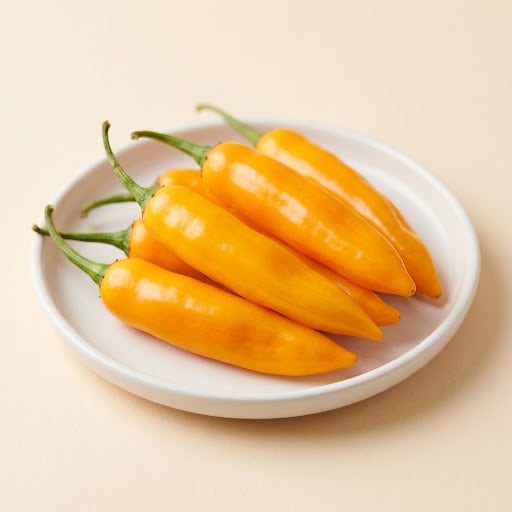
Veggies Food Library
When can babies have aji amarillo?
Can babies have aji amarillo?
Babies can have aji amarillo from 6 months in small amounts, cooked into shared dishes. Aji amarillo is a fairly hot chili, so for babies use only a tiny amount of seeded, cooked pepper blended into a mild, creamy dish. The food should taste mild, not hot. Save stronger heat for older toddlers., so start with a tiny amount and remove the seeds and veins to tame it. Jarred pastes can be salty, so use them sparingly.
How to serve aji amarillo by age
Shapes and textures change as your baby’s grasp and chewing grow.

6 months
Stir a tiny dab of cooked aji amarillo paste, about the size of a pea, into a smooth family puree such as mashed potato, pumpkin or a blended chicken stew before serving baby's portion. Taste it first so it feels warm, not hot, and offer it on a spoon.

7–8 months
Mix a little aji amarillo into thicker, lumpier mashes like fork-mashed potato or minced chicken in a creamy sauce. Soft pieces that squash easily between your fingers, such as aji-sauced potato, can be offered now too.

9–12 months
Gradually increase the amount of aji amarillo in family meals if your baby enjoys it. Serve the flavored dish in small, soft bite-size pieces your baby can pick up, such as aji-sauced potato or shredded chicken.

12 months +
Toddlers can share Peruvian dishes like aji de gallina, causa or papas a la huancaina, with less chili in their portion if needed. Keep raw or whole pepper pieces out of their portion and offer a cooling side like yogurt or avocado.
Why it’s good
Aji amarillo is used in small amounts, so it adds flavor more than nutrition. Like other chilies, it contains vitamin C, vitamin A and antioxidants. Its main value for babies is helping them get used to bold, varied flavors early, which can make for a more adventurous eater later.
Safety notes
- Remove the seeds and white veins from fresh or frozen aji amarillo, where most of the heat lives, and cook the pepper before serving.
- Start with a tiny amount and taste the food yourself; stop if your baby seems upset, coughs a lot or rubs at the mouth.
- Jarred aji amarillo paste often contains added salt, so check the label and use only a little in baby's portion.
- Wash hands after handling chilies and keep pepper juice away from your baby's eyes and skin.
- Thin skin from fresh peppers can stick to the roof of the mouth, so blend or puree the pepper rather than serving pieces.
A low-allergy food, still worth watching
Aji amarillo is not a Top 9 allergen. Allergies to chili peppers are rare, but some babies get a red rash around the mouth from spicy food, which is usually irritation rather than allergy; call your pediatrician if you see hives, swelling or vomiting.
Aji amarillo for babies: questions parents ask
Quick answers about aji amarillo for babies and toddlers.
When can babies have aji amarillo?
Babies can have aji amarillo from about 6 months, when they start solids. Use a very small amount cooked into family food at first, since aji amarillo is a moderately hot chili.
Can babies have aji amarillo?
Yes, babies can eat aji amarillo in small amounts, and many babies around the world eat mildly spiced food from the start. Remove seeds and veins, cook the pepper and build up slowly.
Is aji amarillo a choking hazard for babies?
Aji amarillo is a low choking risk when it is blended into a paste or sauce. Pieces of pepper skin can be hard for babies to manage, so blend fresh or frozen peppers smooth before using.
Is aji amarillo a common allergen?
No, aji amarillo is not one of the Top 9 common food allergens. Reactions to chili peppers are uncommon, though spicy food can cause temporary redness around the mouth.
How do I serve aji amarillo to a 6 month old?
For a 6 month old, mix a pea-size amount of cooked aji amarillo paste into a smooth food like mashed potato, avocado or a blended chicken stew, and serve it on a spoon or a preloaded spoon. Soft pieces of aji-flavored food can follow at 7–8 months.
How spicy is aji amarillo?
Aji amarillo is medium-hot, roughly similar to a hot jalapeno or a little hotter, with a fruity flavor. Removing the seeds and veins and cooking the pepper in a creamy sauce makes aji amarillo much milder.
Can I use jarred aji amarillo paste for my baby?
Yes, you can use jarred aji amarillo paste in small amounts in shared meals. Choose a brand with lower sodium if you can, and add it to the family pot sparingly or season baby's portion separately.
What is the difference between aji amarillo and aji mirasol?
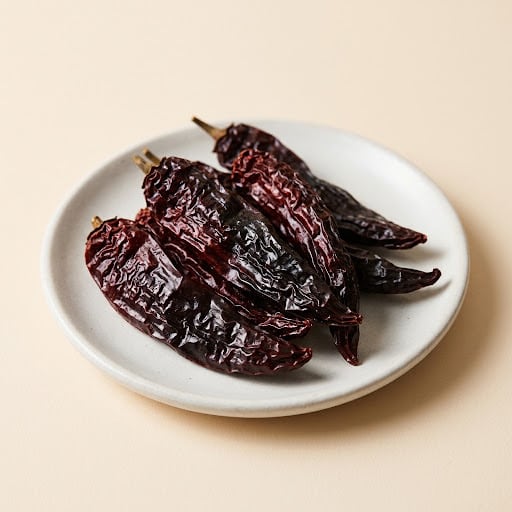
Aji mirasol is simply dried aji amarillo, with a deeper, slightly smoky taste. Both work for babies in tiny amounts when soaked, blended and cooked into food.
Can spicy food upset my baby's stomach?
Small amounts of chili like aji amarillo usually do not upset a baby's stomach, but some babies get a sore bottom or looser stools after spicy meals. Cut back the amount if that happens and ask your pediatrician if it continues.
The takeaway
- Babies can have aji amarillo from 6 months in small amounts, cooked into shared dishes.
- Stir a tiny dab of cooked aji amarillo paste, about the size of a pea, into a smooth family puree such as mashed potato, pumpkin or a blended chicken stew before serving baby's portion.
- Choking risk is low. Not a Top 9 allergen, but offer a small amount first and watch for any reaction.
Read next


Sources
This guide follows current advice from these organizations.
- Starting Solid Foods American Academy of Pediatrics (HealthyChildren.org)
- When, What, and How to Introduce Solid Foods Centers for Disease Control and Prevention
- Choking Hazards Centers for Disease Control and Prevention
- Foods and Drinks to Avoid or Limit Centers for Disease Control and Prevention
Track every new food in your baby’s passport
Track the first 100 foods and the Top 9 allergens. 7 days free.
More vegetables for babies
Updated November 2026. Reviewed by our dietitians. Based on AAP, CDC and NIAID guidance. Written for healthy, full-term babies; not a substitute for your pediatrician. If your baby was born early, has a medical condition, feeding difficulties or a known allergy, check with them first (medical disclaimer). Always stay with your baby while they eat.