
Protein Food Library
When can babies have scallops?
Can babies have scallops?
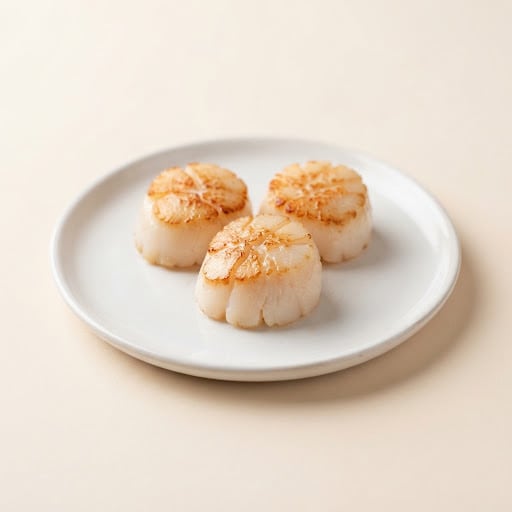
Babies can have scallops from about 6 months when they are fully cooked and minced or chopped finely. Scallops are firm, slippery and round, which makes whole scallops a choking risk, especially small bay scallops. Raw scallops, ceviche and sushi are not for babies because of the risk of food poisoning.
How to serve scallops by age
Shapes and textures change as your baby’s grasp and chewing grow.

6 months
Cook scallops until opaque and firm, then blend them smoothly with mashed potato, a vegetable puree or a little breast milk or formula. Offer it on a spoon, and never serve whole scallops.

7–8 months
Mince fully cooked scallops finely and mix them into lumpier mashed potato, risotto or soft scrambled egg, or form small soft fish cakes that fall apart when pressed. Do not serve whole scallops.

9–12 months
Offer finely chopped cooked scallops mixed into pasta, rice or fritters, or thin shreds for pincer-grasp practice. Cut large sea scallops into thin slices, then small pieces.

12 months +
Toddlers can eat small pieces of cooked scallop in pasta, stir-fries and seafood stews. Keep chopping bay scallops, which are a similar size to a toddler's airway.
Why it’s good
Scallops give babies lean protein, vitamin B12, zinc, choline, selenium, iodine and some omega-3 fats. Scallops are low in mercury. They are naturally a little salty, so skip added salt.
Safety notes
- Never serve raw or undercooked scallops, ceviche or sushi to babies. Scallops can carry bacteria, viruses and toxins that raw preparations do not kill.
- Cook scallops until they are opaque and firm, reaching 145 F (63 C).
- Whole scallops, especially bay scallops, are round, firm and slippery. Mince or finely chop them for babies and toddlers.
- Remove the small tough side muscle from sea scallops, which stays chewy after cooking.
- Buy scallops from a reputable seller and avoid recreationally harvested shellfish unless local waters are tested, since shellfish can carry toxins from algae.
Mollusk shellfish: introduce it carefully
Scallops are mollusk shellfish. US labeling laws only list crustaceans like shrimp as major shellfish allergens, but many countries treat mollusks as allergens and some people with shellfish allergy react to scallops. Introduce a small amount and watch for hives, vomiting, swelling or wheezing.
Scallops for babies: questions parents ask
Quick answers about scallops for babies and toddlers.
When can babies have scallops?
Babies can have scallops from about 6 months when they are fully cooked and finely minced or chopped. Raw scallops should never be served to babies.
Can babies have scallops?
Yes, babies can eat scallops that are cooked through and prepared in a safe texture. Scallops are low in mercury and rich in protein, vitamin B12 and zinc.
Are scallops a choking hazard for babies?
Yes, scallops can be a choking hazard because they are firm, slippery and round, and bay scallops are especially risky. Mince or finely chop cooked scallops before serving.
Are scallops a common allergen?
Scallops are mollusk shellfish, and many people with shellfish allergies react to them. In the US, mollusks are not on the major allergen labeling list, but introduce scallops carefully and watch for signs of a reaction.
How do I serve scallops to a 6 month old?
To serve scallops to a 6 month old, sear or steam scallops until opaque, then blend them smoothly into mashed potato or a vegetable puree and offer it on a spoon. Minced scallops in soft patties can follow at 7–8 months.
Can babies have raw scallops or scallop ceviche?
No, babies should not have raw scallops or scallop ceviche. Citrus juice in ceviche does not kill harmful germs the way cooking does.
Can babies have canned or frozen scallops?
Babies can have frozen scallops that are thawed in the fridge and fully cooked. Canned scallops can be high in sodium, so check labels and rinse them.
Are scallops high in mercury?
No, scallops are low in mercury and are on the FDA's list of best choices. Toddlers can eat scallops as part of their 2 servings of low-mercury seafood a week.
What is the difference between bay and sea scallops for babies?
Bay scallops are small and round, about the size of a grape, while sea scallops are much larger. Both should be cooked through and finely chopped for babies.
The takeaway
- Babies can have scallops from about 6 months when they are fully cooked and minced or chopped finely.
- Cook scallops until opaque and firm, then blend them smoothly with mashed potato, a vegetable puree or a little breast milk or formula.
- Choking risk is medium. Not a Top 9 allergen, but offer a small amount first and watch for any reaction.
Read next



Sources
This guide follows current advice from these organizations.
- Starting Solid Foods American Academy of Pediatrics (HealthyChildren.org)
- When, What, and How to Introduce Solid Foods Centers for Disease Control and Prevention
- Choking Hazards Centers for Disease Control and Prevention
- Choking Prevention American Academy of Pediatrics (HealthyChildren.org)
- Advice about Eating Fish U.S. Food and Drug Administration
Track every new food in your baby’s passport
Track the first 100 foods and the Top 9 allergens. 7 days free.
More protein foods for babies
Updated November 2026. Reviewed by our dietitians. Based on AAP, CDC and NIAID guidance. Written for healthy, full-term babies; not a substitute for your pediatrician. If your baby was born early, has a medical condition, feeding difficulties or a known allergy, check with them first (medical disclaimer). Always stay with your baby while they eat.