
Protein Food Library
When can babies have sausage?
Can babies have sausage?
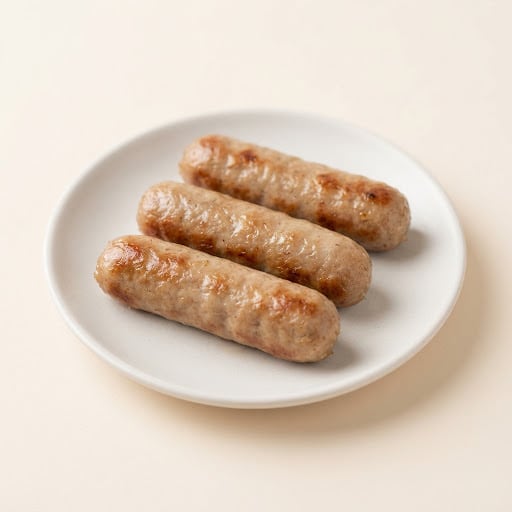
Babies can have fresh, fully cooked sausage from about 6 months if it is low in sodium and served out of its casing, blended smooth at first and finely crumbled from 7–8 months. Sausage links are a choking hazard, especially cut into round coins like hot dogs. Cured, smoked and processed sausages are very salty, so homemade or low-sodium fresh sausage is the best choice.
How to serve sausage by age
Shapes and textures change as your baby’s grasp and chewing grow.

6 months
Remove the casing from fresh, low-sodium or homemade sausage, cook it until no pink remains, then blend it with a little water, breast milk or formula and smooth vegetable puree. Offer it on a spoon.

7–8 months
Crumble well-cooked, casing-free sausage very finely and mix it into mashed vegetables or soft scrambled egg for a lumpier texture. You can also make homemade sausage patties from ground meat and herbs and serve them as soft finger-length strips that squash easily.

9–12 months
Offer small crumbles of well-cooked, casing-free sausage mixed into pasta, rice or eggs for pincer-grasp practice. Never serve rounds or chunks of sausage link.

12 months +
Toddlers can have crumbled or finely chopped sausage, or links cut lengthwise into thin strips and then into small pieces. Keep processed and cured sausages occasional.
Why it’s good
Sausage gives babies iron, zinc, protein and vitamin B12, which support growth and brain development. Many sausages are high in sodium and saturated fat, and cured varieties contain nitrates or nitrites. Homemade sausage from ground meat gives the same nutrients with far less salt.
Safety notes
- Never serve sausage links whole or cut into round coins. Remove the casing and crumble the meat, or cut links lengthwise into thin strips, then into small pieces.
- Cook fresh sausage all the way through, to 160 F (71 C) for pork, beef and lamb or 165 F (74 C) for chicken and turkey. Never serve raw or pink sausage.
- Most store-bought sausage is high in sodium. Compare labels, choose low-sodium options or make your own with ground meat and herbs.
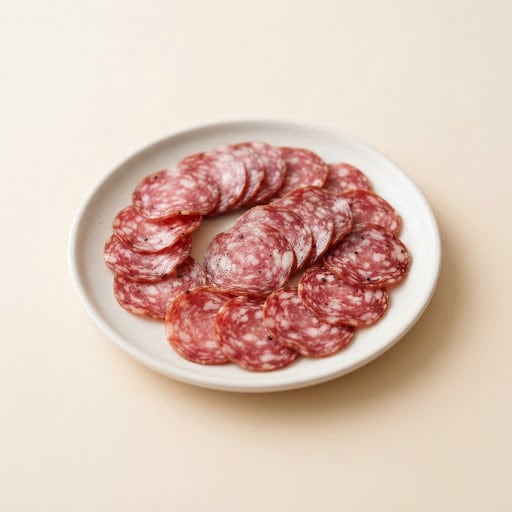
- Cured, smoked and dry sausages like salami, chorizo and pepperoni are very salty and processed; wait until 12 months and keep them rare.
- Read labels for allergens. Some sausages contain milk, wheat, soy, egg or even shellfish.
A low-allergy food, still worth watching
Sausage is not a common allergen on its own, but some sausages contain fillers or seasonings with milk, wheat, soy, egg or seafood. Read the ingredients and watch for hives, vomiting or swelling.
Sausage for babies: questions parents ask
Quick answers about sausage for babies and toddlers.
When can babies have sausage?
Babies can have fresh, low-sodium sausage from about 6 months if it is fully cooked, removed from the casing and blended smooth, with fine crumbles from about 7–8 months. Cured and processed sausages are best saved for after 12 months and kept occasional.
Can babies have sausage?
Yes, babies can eat sausage when it is fresh, low in sodium, fully cooked and prepared in a safe shape. Homemade sausage made from ground meat is the best option.
Is sausage a choking hazard for babies?
Yes, sausage is a choking hazard, especially links cut into rounds that can plug a baby's airway. Remove the casing and crumble sausage, or cut links lengthwise into thin strips and then small pieces.
Is sausage a common allergen?
No, sausage itself is not a common allergen. Some sausages contain milk, wheat, soy, egg or shellfish, so check the ingredient list.
How do I serve sausage to a 6 month old?
To serve sausage to a 6 month old, remove the casing from a low-sodium fresh sausage, cook it through and blend it smooth into mashed potato or a vegetable puree. Offer it on a spoon. Fine crumbles and soft homemade patty strips can follow at 7–8 months.
When can babies have breakfast sausage?
Babies can have breakfast sausage from about 6 months if it is low in sodium, fully cooked and blended into a puree, and from about 7–8 months as fine crumbles or thin, soft patty strips. Breakfast sausage links should never be served in rounds.
Can babies have hot dogs?
Hot dogs are processed and salty, so they are best saved for after 12 months and served rarely. Always cut hot dogs lengthwise into quarters and then into small pieces, never into round coins.
How do I make low-sodium sausage for babies?
To make low-sodium sausage for babies, mix ground pork, chicken or turkey with herbs like sage, fennel or thyme and a little grated apple, then form small patties. Cook them through and skip the salt.
Are chicken sausages healthier for babies?
Chicken sausages are often lower in fat but can still be high in sodium. Read labels and choose the lowest-sodium option, whatever the meat.
The takeaway
- Babies can have fresh, fully cooked sausage from about 6 months if it is low in sodium and served out of its casing, blended smooth at first and finely crumbled from 7–8 months.
- Remove the casing from fresh, low-sodium or homemade sausage, cook it until no pink remains, then blend it with a little water, breast milk or formula and smooth vegetable puree.
- Choking risk is high. Not a Top 9 allergen, but offer a small amount first and watch for any reaction.
Read next

Sources
This guide follows current advice from these organizations.
- Starting Solid Foods American Academy of Pediatrics (HealthyChildren.org)
- When, What, and How to Introduce Solid Foods Centers for Disease Control and Prevention
- Choking Hazards Centers for Disease Control and Prevention
- Choking Prevention American Academy of Pediatrics (HealthyChildren.org)
- Foods and Drinks to Avoid or Limit Centers for Disease Control and Prevention
- Iron Centers for Disease Control and Prevention
Track every new food in your baby’s passport
Track the first 100 foods and the Top 9 allergens. 7 days free.
More protein foods for babies
Updated November 2026. Reviewed by our dietitians. Based on AAP, CDC and NIAID guidance. Written for healthy, full-term babies; not a substitute for your pediatrician. If your baby was born early, has a medical condition, feeding difficulties or a known allergy, check with them first (medical disclaimer). Always stay with your baby while they eat.