
Grains Food Library
When can babies have puffs?
Can babies eat puffs?
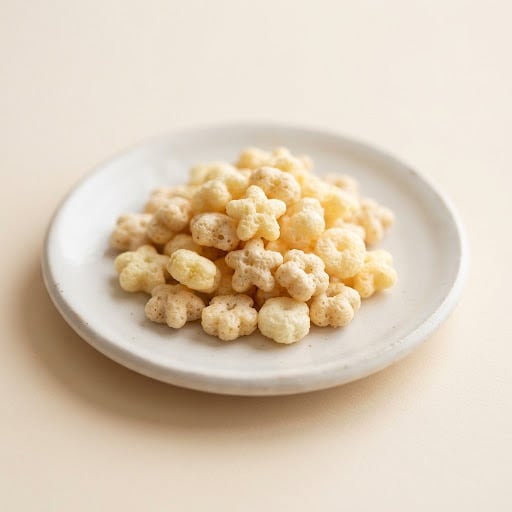
Melt-in-the-mouth puffs can be offered from about 7–8 months, once your baby sits well and can rake small foods; they are optional., once they can sit well and start using their fingers to pick up small foods. Puffs that melt quickly in the mouth are a low choking risk, but they are a snack, not a main source of nutrition. Check the label, as many puffs contain wheat or other allergens.
How to serve puffs by age
Shapes and textures change as your baby’s grasp and chewing grow.

6 months
Puffs are not needed at 6 months, when babies are just starting smooth purees and mashes on a spoon. Offer iron-fortified cereal or a smooth vegetable puree instead.

7–8 months
Puffs are still optional. If you offer them near 8 months, choose ones that melt with a little saliva and place a few on the tray for your baby to rake up and practice with, alongside soft mashed foods.

9–12 months
Offer a small handful of puffs on the tray as pincer-grasp practice alongside a meal, not instead of one. You can also crush puffs and use the crumbs to coat slippery foods like banana or avocado.

12 months +
Toddlers can have puffs as an occasional snack, ideally paired with fruit, yogurt or cheese. Serve them in a bowl at the table rather than a cup to snack from all day.
Why it’s good
Puffs are mostly carbohydrate with little protein or fiber. Some brands are fortified with iron and vitamins, and some include vegetable powders, but they cannot replace real fruits, vegetables and iron-rich foods. Their main value is fine motor practice.
Safety notes
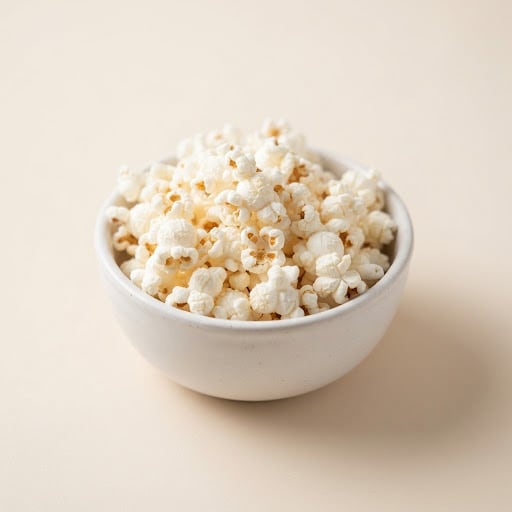
- Do the melt test. Put one puff on your tongue or press it with a wet finger. It should dissolve quickly. If it stays firm, it is not right for a baby.
- Many puffs are made from rice, which can contain inorganic arsenic. Choose puffs made from oats, corn or mixed grains, and keep rice-based snacks occasional. Choose brands made from a mix of grains and keep puffs occasional.
- Always serve puffs with your baby sitting upright in a high chair, never in a car seat, stroller or while crawling.
- Read the label for added sugar and for allergens like wheat, soy or dairy.
A low-allergy food, still worth watching
Plain rice or corn puffs are not a common allergen, but many brands contain wheat, oat, soy or dairy, so read the label for any allergen your baby has not yet tried. Peanut puffs are a separate product used for peanut introduction.
Puffs for babies: questions parents ask
Quick answers about puffs for babies and toddlers.
When can babies have puffs?
Babies can have puffs around 8 months, when they sit well and start picking up small foods. Puffs are optional, and there is no need to start them sooner.
Can babies eat puffs?
Yes, babies can eat puffs that melt quickly in the mouth. Puffs are best used as finger-food practice and an occasional snack, not as a main food.
Are puffs a choking hazard for babies?
Puffs are a low choking risk for babies when they dissolve quickly with saliva. Do a melt test and avoid crunchy snacks that stay firm, and always serve puffs with your baby seated upright.
Are puffs a common allergen?
Plain puffs are not a common allergen, but many puffs contain wheat, soy, dairy or other allergens. Read the label and introduce new allergens one at a time.
How do I serve puffs to a 6 month old?
Puffs are not needed at 6 months, when smooth purees and mashes on a spoon are the right fit. Soft foods to hold come at 7–8 months, and melt-away puffs can wait until around 8 months.
Are puffs healthy for babies?
Puffs are not very nutritious for babies, since they are mostly starch. Puffs help babies practice their pincer grasp, but meals built on fruits, vegetables, grains and protein foods matter more.
How many puffs can a baby have?
A baby only needs a small handful of puffs, about 10 to 15, at a snack. Too many puffs can fill a small tummy and crowd out more nourishing foods.
Do puffs have arsenic?
Many puffs are made from rice, which can contain inorganic arsenic. Choose puffs made from oats, corn or mixed grains, and keep rice snacks occasional.
Can puffs help my baby learn the pincer grasp?
Yes, puffs can help babies practice the pincer grasp because they are small and light. Soft pieces of real food, such as peas or small bits of banana, work just as well.
Can babies eat puffs without teeth?
Yes, babies can eat puffs without teeth, as long as the puffs melt quickly with saliva. Babies mash soft foods with their gums. Do the melt test first, since a puff pressed with a wet finger should dissolve fast, and offer puffs from about 7–8 months.
The takeaway
- Melt-in-the-mouth puffs can be offered from about 7–8 months, once your baby sits well and can rake small foods; they are optional., once they can sit well and start using their fingers to pick up small foods.
- Puffs are still optional.
- Choking risk is low. Not a Top 9 allergen, but offer a small amount first and watch for any reaction.
Read next


Sources
This guide follows current advice from these organizations.
- Starting Solid Foods American Academy of Pediatrics (HealthyChildren.org)
- When, What, and How to Introduce Solid Foods Centers for Disease Control and Prevention
- Choking Hazards Centers for Disease Control and Prevention
- Foods and Drinks to Avoid or Limit Centers for Disease Control and Prevention
- What You Can Do to Limit Exposure to Arsenic U.S. Food and Drug Administration
- Dietary Guidelines for Americans, 2020-2025 U.S. Department of Agriculture and HHS
Track every new food in your baby’s passport
Track the first 100 foods and the Top 9 allergens. 7 days free.
More grains for babies
Updated November 2026. Reviewed by our dietitians. Based on AAP, CDC and NIAID guidance. Written for healthy, full-term babies; not a substitute for your pediatrician. If your baby was born early, has a medical condition, feeding difficulties or a known allergy, check with them first (medical disclaimer). Always stay with your baby while they eat.