
Grains Food Library
When can babies have polenta?
Can babies have polenta?
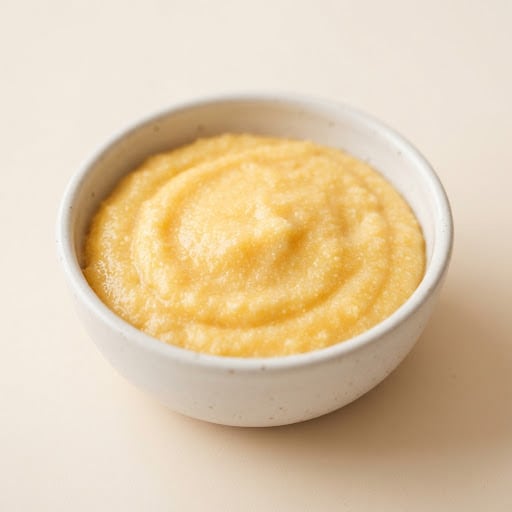
Babies can have polenta, also called cornmeal porridge, from about 6 months. Start with soft, creamy polenta on a spoon, then offer thicker polenta and soft set polenta fingers to hold from 7–8 months. Polenta is naturally gluten free and is not a common allergen.
How to serve polenta by age
Shapes and textures change as your baby’s grasp and chewing grow.

6 months
Cook polenta with water, unsalted stock, breast milk or formula until creamy and loose, then let it cool and offer it on a spoon or pre-loaded spoon. Stir in a smooth vegetable puree or a little unsalted butter for flavor.

7–8 months
Cook polenta a little thicker and stir in mashed vegetables or finely shredded meat for texture. You can also chill cooked polenta in a dish, cut it into soft fingers about the length of an adult finger and warm them gently so they hold together but squash easily.

9–12 months
Offer small, soft cubes of set polenta or a bowl of creamy polenta with a spoon for practice. Stir in mashed vegetables, a little unsalted butter or finely shredded cooked meat to add iron and flavor.

12 months +
Toddlers can eat polenta as a soft side dish, baked polenta squares or lightly pan-fried slices that stay soft inside. Keep pieces bite sized and skip very crispy, hard edges until chewing is stronger.
Why it’s good
Polenta gives babies carbohydrates for energy, plus some fiber, B vitamins and small amounts of magnesium and zinc. Yellow cornmeal also offers carotenoids such as lutein. Polenta is not iron rich, so serve it with iron-rich foods like beans, meat, eggs or lentils.
Safety notes
- Serve polenta soft. Firm, dry or crispy fried polenta can break into hard pieces, so keep fingers soft enough to squash between your thumb and finger.
- Cooked polenta stays very hot in the middle. Stir well and test the temperature before serving.
- Instant and pre-cooked tube polenta can contain added salt. Check labels and choose plain cornmeal or low-sodium options, and do not salt the cooking water for babies.
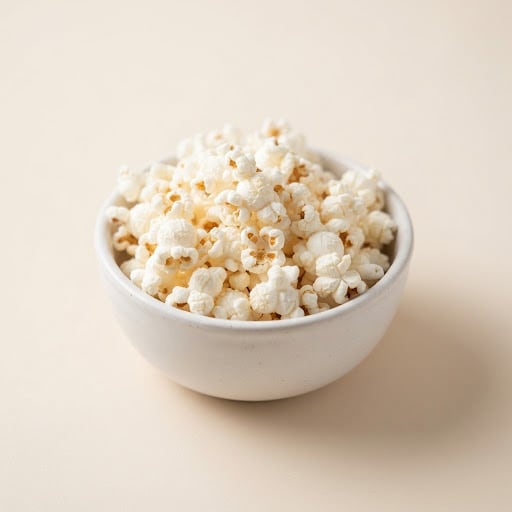
- Do not offer corn chips, hard corn tortilla chips or popcorn to babies; these are different and much higher choking risks.
A low-allergy food, still worth watching
Polenta is made from corn, which is not one of the Top 9 allergens, and corn allergy is uncommon. Some cornmeal is processed alongside wheat, so check labels if your baby needs to avoid gluten.
Polenta for babies: questions parents ask
Quick answers about polenta for babies and toddlers.
When can babies have polenta?
Babies can have polenta from about 6 months, when they start solid foods. Serve polenta soft and creamy on a spoon at first, then as soft set fingers that are easy to hold and mash from about 7–8 months.
Can babies have polenta?
Yes, babies can eat polenta as one of their early grains. Polenta is gentle, naturally gluten free and easy to mix with vegetables, meat or beans.
Is polenta a choking hazard for babies?
Polenta is a low choking risk for babies when it is cooked soft and creamy or cut into soft fingers. Firm, dry or crispy fried polenta is harder to manage, so save crunchy pieces for older toddlers and always stay close during meals.
Is polenta a common allergen?
No, polenta is not a common allergen, because corn is not one of the Top 9 food allergens. Corn allergy can happen but is rare, so watch for any unusual signs the first few times you serve it.
How do I serve polenta to a 6 month old?
To serve polenta to a 6 month old, cook it with water or unsalted stock until creamy, cool it and offer it on a spoon or pre-loaded spoon. Soft set polenta cut into finger-length strips for baby to hold can follow at 7–8 months.
Is polenta gluten free?
Polenta made from pure cornmeal is naturally gluten free. Some brands are processed in facilities that also handle wheat, so look for a gluten-free label if your baby has celiac disease or a wheat allergy.
Is polenta the same as cornmeal and grits?
Polenta is a porridge made from coarse ground corn, usually yellow cornmeal, while grits are often made from white corn or hominy. Both can be served to babies the same way: cooked soft, unsalted and cooled.
Is instant or tube polenta okay for babies?
Instant polenta is fine for babies if it is plain and unsalted, and it cooks in a few minutes. Ready-made tube polenta often contains added salt, so check the sodium on the label and use it only occasionally.
How do I make polenta more nutritious for my baby?
To make polenta more nutritious for a baby, cook it with breast milk, formula or unsalted stock and stir in mashed beans, puréed vegetables or shredded meat. Pairing polenta with iron-rich foods helps cover a baby's high iron needs.
The takeaway
- Babies can have polenta, also called cornmeal porridge, from about 6 months.
- Cook polenta with water, unsalted stock, breast milk or formula until creamy and loose, then let it cool and offer it on a spoon or pre-loaded spoon.
- Choking risk is low. Not a Top 9 allergen, but offer a small amount first and watch for any reaction.
Read next


Sources
This guide follows current advice from these organizations.
- Starting Solid Foods American Academy of Pediatrics (HealthyChildren.org)
- When, What, and How to Introduce Solid Foods Centers for Disease Control and Prevention
- Choking Hazards Centers for Disease Control and Prevention
- Foods and Drinks to Avoid or Limit Centers for Disease Control and Prevention
Track every new food in your baby’s passport
Track the first 100 foods and the Top 9 allergens. 7 days free.
More grains for babies
Updated November 2026. Reviewed by our dietitians. Based on AAP, CDC and NIAID guidance. Written for healthy, full-term babies; not a substitute for your pediatrician. If your baby was born early, has a medical condition, feeding difficulties or a known allergy, check with them first (medical disclaimer). Always stay with your baby while they eat.