
Fruit Food Library
When can babies have prickly pears?
Can babies have prickly pears?
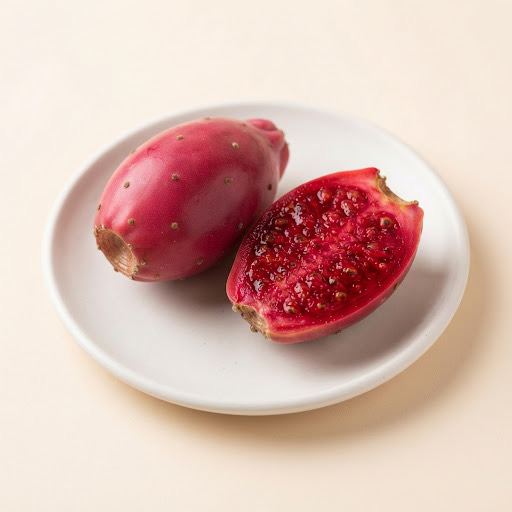
Babies can have prickly pear from 6 months, peeled with all spines removed and mashed, blended or strained to remove the hard seeds. Prickly pear flesh is soft and sweet, but the many small, hard seeds can be a choking risk. Prickly pear is not a common allergen.
How to serve prickly pears by age
Shapes and textures change as your baby’s grasp and chewing grow.

6 months
Wearing gloves, cut off the ends, slit the skin and peel it away. Blend the flesh, press it through a sieve to remove all the seeds, and stir the smooth puree into yogurt, oatmeal or mashed banana on a spoon.

7–8 months
Keep straining out the seeds, and stir the puree into thicker, lumpier foods like fork-mashed banana, oatmeal or ricotta. Do not offer seedy pieces of the fruit yet.

9–12 months
Keep straining or blending prickly pear and mixing it into other foods, such as chia pudding, ricotta or porridge. Small amounts of soft flesh with seeds can be offered mixed into thick foods, but keep portions small.

12 months +
Toddlers can try small pieces of peeled prickly pear, as many seeds are swallowed whole. Keep portions modest and continue straining for children who are still learning to chew and spit out seeds.
Why it’s good
Prickly pear gives babies vitamin C, magnesium, potassium, fiber and bright red or purple plant pigments called betalains. The vitamin C helps your baby absorb iron from plant foods. It is naturally sweet with a flavor somewhere between watermelon and bubble gum.
Safety notes
- Remove every spine. Prickly pears are covered in tiny hair-like spines called glochids that can lodge in skin, lips and mouth. Handle with gloves or tongs and peel carefully.
- The seeds are small, hard and numerous. Strain or blend them out for babies, as they can be hard to manage and pose a choking risk.
- Large amounts of prickly pear seeds have been linked to constipation and, rarely, blockage in the gut. Keep portions small.
- Prickly pear can turn pee and poop red or pink. This is harmless and comes from the fruit's natural pigment.
- Choose fruit that gives slightly when pressed, with deep color and no mold or mushy spots.
A low-allergy food, still worth watching
Prickly pear is not a common allergen, though rare reactions have been reported. Watch for hives, lip swelling or vomiting, and check your baby's skin and lips for stray spines, which cause irritation rather than allergy.
Prickly pears for babies: questions parents ask
Quick answers about prickly pears for babies and toddlers.
When can babies have prickly pears?
Babies can have prickly pears from 6 months, peeled, spine-free and mashed or blended with the seeds strained out. Mix the puree into foods like yogurt or oatmeal.
Can babies have prickly pear?
Yes, babies can eat prickly pear when it is carefully peeled and the seeds are removed. Prickly pear is a sweet, colorful fruit rich in vitamin C.
Is prickly pear a choking hazard for babies?
Yes, prickly pear can be a choking hazard because of its many small, hard seeds. Strain or blend out the seeds for babies and always stay close while your baby eats.
Is prickly pear a common allergen?
No, prickly pear is not a common allergen and is not one of the Top 9 food allergens. Rare reactions are possible, so start with a small amount.
How do I serve prickly pear to a 6 month old?
To serve prickly pear to a 6 month old, peel it carefully with gloves, blend or mash the flesh, and press it through a sieve to remove the seeds. Stir the puree into yogurt, oatmeal or mashed banana.
How do I remove the spines from prickly pear?
To remove spines from prickly pear, hold it with tongs or thick gloves, singe or scrub off the tiny spines under running water, then cut off the ends and peel the skin away. Store-bought fruit is often de-spined but still worth checking.
Are prickly pear seeds safe for babies?
Prickly pear seeds are not ideal for babies because they are hard and plentiful. Strain them out for babies, and keep portions of seedy fruit small for toddlers to avoid constipation.
Why is my baby's poop red after eating prickly pear?
Red or pink poop or pee after eating prickly pear is common and harmless, caused by the fruit's natural red pigment. Call your doctor if your baby has red stools without having eaten red foods, or seems unwell.
Can babies have prickly pear juice or syrup?
Babies should not have prickly pear juice before 12 months, and prickly pear syrup is mostly sugar. Offer the fruit itself, blended and strained, instead.
The takeaway
- Babies can have prickly pear from 6 months, peeled with all spines removed and mashed, blended or strained to remove the hard seeds.
- Wearing gloves, cut off the ends, slit the skin and peel it away.
- Choking risk is medium. Not a Top 9 allergen, but offer a small amount first and watch for any reaction.
Read next


Sources
This guide follows current advice from these organizations.
- Starting Solid Foods American Academy of Pediatrics (HealthyChildren.org)
- When, What, and How to Introduce Solid Foods Centers for Disease Control and Prevention
- Choking Hazards Centers for Disease Control and Prevention
- Choking Prevention American Academy of Pediatrics (HealthyChildren.org)
Track every new food in your baby’s passport
Track the first 100 foods and the Top 9 allergens. 7 days free.
More fruit for babies
Updated November 2026. Reviewed by our dietitians. Based on AAP, CDC and NIAID guidance. Written for healthy, full-term babies; not a substitute for your pediatrician. If your baby was born early, has a medical condition, feeding difficulties or a known allergy, check with them first (medical disclaimer). Always stay with your baby while they eat.