
Fruit Food Library
When can babies have pulasan?
Can babies have pulasan?
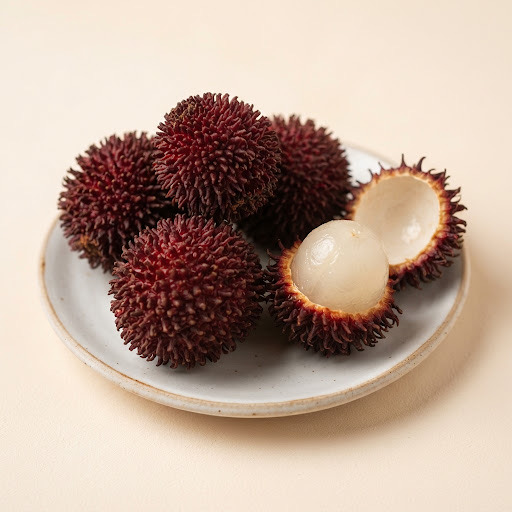
Babies can have pulasan from 6 months, but only with the seed removed and the flesh finely chopped or mashed. Pulasan is a sweet tropical fruit related to rambutan and lychee, and its slippery flesh and large seed make it a high choking risk. Pulasan is not a common allergen.
How to serve pulasan by age
Shapes and textures change as your baby’s grasp and chewing grow.

6 months
Peel the thick skin, cut the flesh away from the seed and remove any papery seed coat. Mash the flesh until smooth or blend it, and stir it into plain yogurt, oatmeal or mashed banana to offer on a spoon. Never offer the flesh whole.

7–8 months
Mash seedless pulasan flesh more roughly, or chop it very finely, and mix it into thicker foods like oatmeal, yogurt or fork-mashed banana. The flesh is slippery, so still do not offer pieces to hold.

9–12 months
Finely chop seedless pulasan flesh into very small pieces and mix it with other soft fruits or yogurt. The flesh is slippery, so keep pieces tiny or mixed into thicker foods.

12 months +
Toddlers can have chopped pulasan in fruit salads or yogurt. Keep removing the seed and chopping the flesh small until at least age 4, as whole fruits like this are easy to inhale.
Why it’s good
Pulasan gives babies vitamin C, some fiber, water and natural sugars for energy. The vitamin C helps your baby absorb iron from other plant foods at the same meal. It has a sweet, juicy flavor similar to lychee.
Safety notes
- Always remove the seed. The pulasan seed is large, hard and the right size to block a child's airway.
- The juicy, slippery flesh can slide to the back of the throat. Mash or finely chop it rather than serving whole or halved fruit.
- Remove the thin papery coating from the seed area, which can stick to the flesh and be hard to swallow.
- Wash the outside before peeling, and throw away fruit that smells fermented or has mold.
- Avoid canned pulasan or rambutan in syrup for babies, which is high in added sugar.
A low-allergy food, still worth watching
Pulasan is not a common allergen, though rare reactions to related fruits like lychee and rambutan have been reported. Offer a small amount and watch for hives, lip swelling or vomiting.
Pulasan for babies: questions parents ask
Quick answers about pulasan for babies and toddlers.
When can babies have pulasan?
Babies can have pulasan from 6 months, with the seed removed and the flesh mashed or finely chopped. Pulasan should never be offered whole to babies or young children.
Can babies have pulasan?
Yes, babies can eat pulasan when it is carefully prepared. Pulasan is a sweet, juicy fruit that adds vitamin C to a baby's diet.
Is pulasan a choking hazard for babies?
Yes, pulasan is a high choking hazard because of its large seed and slippery flesh. Remove the seed, mash or finely chop the flesh, and always stay with your baby while they eat.
Is pulasan a common allergen?
No, pulasan is not a common allergen and is not one of the Top 9 food allergens. Allergic reactions are rare but possible, especially in people sensitive to lychee or rambutan.
How do I serve pulasan to a 6 month old?
To serve pulasan to a 6 month old, peel the fruit, cut the flesh off the seed and mash it well. Mix the mash into plain yogurt or oatmeal so it is easier to swallow.
What is the difference between pulasan and rambutan?
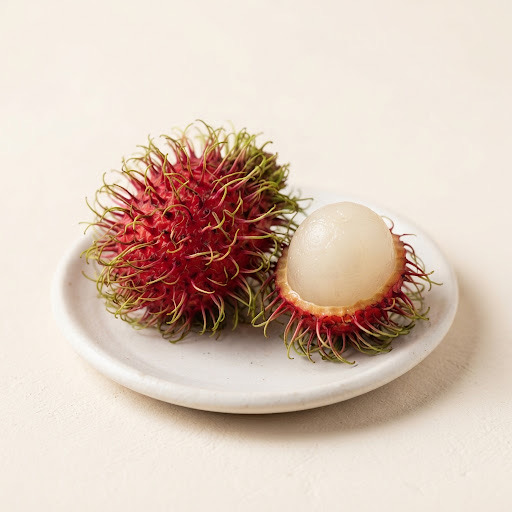
Pulasan and rambutan are close relatives, but pulasan has short, thick bumps instead of long hairs and is often sweeter. Both should be prepared the same way for babies, seed removed and flesh finely chopped.
Can babies have pulasan seeds?
Babies should not eat pulasan seeds. The seeds are a choking hazard, and while some people roast them, they are not a food for babies or young children.
How do I pick a ripe pulasan?
Pick a ripe pulasan that is deep red or dark red-purple, feels firm but gives slightly, and smells sweet. Avoid fruit with cracked skin or a sour smell.
When can toddlers eat whole pulasan?
Toddlers should not eat whole pulasan. Keep removing the seed and chopping the flesh small until at least age 4, because round, slippery fruits are among the most common causes of choking.
The takeaway
- Babies can have pulasan from 6 months, but only with the seed removed and the flesh finely chopped or mashed.
- Peel the thick skin, cut the flesh away from the seed and remove any papery seed coat.
- Choking risk is high. Not a Top 9 allergen, but offer a small amount first and watch for any reaction.
Read next


Sources
This guide follows current advice from these organizations.
- Starting Solid Foods American Academy of Pediatrics (HealthyChildren.org)
- When, What, and How to Introduce Solid Foods Centers for Disease Control and Prevention
- Choking Hazards Centers for Disease Control and Prevention
- Choking Prevention American Academy of Pediatrics (HealthyChildren.org)
- Foods and Drinks to Avoid or Limit Centers for Disease Control and Prevention
- Dietary Guidelines for Americans, 2020-2025 U.S. Department of Agriculture and HHS
Track every new food in your baby’s passport
Track the first 100 foods and the Top 9 allergens. 7 days free.
More fruit for babies
Updated November 2026. Reviewed by our dietitians. Based on AAP, CDC and NIAID guidance. Written for healthy, full-term babies; not a substitute for your pediatrician. If your baby was born early, has a medical condition, feeding difficulties or a known allergy, check with them first (medical disclaimer). Always stay with your baby while they eat.