
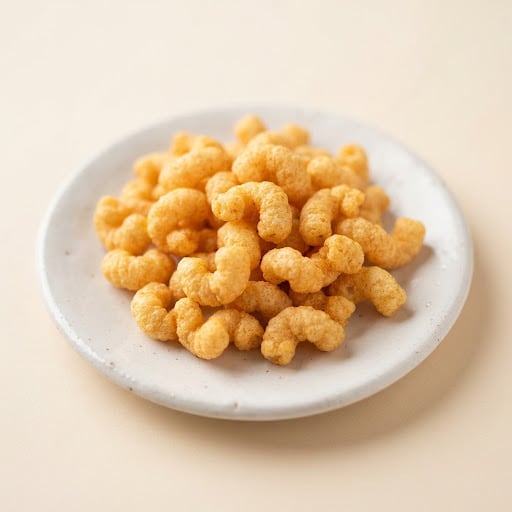
Nuts & seeds Food Library
When can babies have peanut puffs?
Can babies have peanut puffs?
Babies can have peanut puffs from about 6 months, softened with water, breast milk or formula into a smooth mash. Peanut puffs are an easy way to introduce peanut, a Top 9 allergen, and keep it in the diet. Babies with severe eczema or an egg allergy should see a doctor before the first taste.
How to serve peanut puffs by age
Shapes and textures change as your baby’s grasp and chewing grow.

6 months
Soak about 6 to 8 peanut puffs in a few teaspoons of warm water, breast milk or formula until soft, then mash smooth. Offer it on a pre-loaded spoon or stir it into a puree your baby already eats.

7–8 months
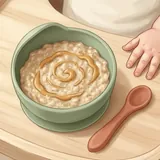
Soften peanut puffs with less liquid and mash them with a fork for a thicker, lumpier texture, or stir the mash into oatmeal or yogurt. Keep offering peanut a few times a week to keep it in the diet.

9–12 months
Babies who can pick up small foods can eat whole peanut puffs that melt quickly in the mouth. Offer a small handful with a meal a few times a week to keep peanut in the diet.

12 months +
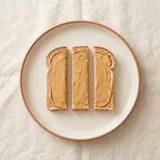
Toddlers can eat peanut puffs as a snack, along with other peanut foods like thinly spread peanut butter. Whole peanuts are still a choking hazard until at least age 4.
Why it’s good
Peanut puffs provide peanut protein and some fat, plus vitamins in fortified brands. Their main job is helping babies meet regular peanut exposure, which supports allergy prevention. They are a snack, so keep meals built on varied whole foods.
Safety notes
- Soften peanut puffs into a mash for babies who are new to solids. Whole puffs are fine once your baby can manage melt-away textures.
- Do the melt test. A puff should dissolve quickly when pressed with a wet finger.
- Give the first taste at home, early in the day, when your baby is healthy, and watch for at least two hours.
- Never offer whole or chopped peanuts to children under 4. Peanut puffs and thinned peanut butter are the safe forms.
Introduce peanut puffs on its own, then keep it in
Peanut is a Top 9 allergen, so introduce peanut puffs in a small amount and watch for hives, vomiting, swelling, coughing, wheezing or unusual sleepiness, and call 911 for trouble breathing. Babies with severe eczema or egg allergy should see a pediatrician first, and once peanut is tolerated, offer it several times every week.
Peanut puffs for babies: questions parents ask
Quick answers about peanut puffs for babies and toddlers.
When can babies have peanut puffs?
Babies can have peanut puffs from about 6 months, softened into a mash with liquid. Babies at high allergy risk may be advised by a doctor to start peanut earlier, sometimes around 4–6 months, under guidance.
Can babies have peanut puffs?
Yes, babies can eat peanut puffs, and they are a popular way to introduce peanut. For young babies, soak peanut puffs until soft and mash them first.
Are peanut puffs a choking hazard for babies?
Peanut puffs are a low choking risk because they melt quickly with saliva. Soften peanut puffs for babies new to solids, and always serve them with your baby seated upright.
Are peanut puffs a common allergen?
Yes, peanut puffs are a common allergen because they are made with peanut, one of the Top 9 food allergens. Watch for signs of a reaction after the first few tastes.
How do I serve peanut puffs to a 6 month old?
To serve peanut puffs to a 6 month old, soak a few puffs in warm water, breast milk or formula for a minute, then mash until smooth. Offer the peanut puff mash on a spoon or mix it into a fruit or vegetable puree.
How many peanut puffs should my baby eat to prevent allergy?
Allergy experts suggest about 2 grams of peanut protein, three times a week, for babies once peanut is introduced. That is roughly 21 peanut puffs, though the exact count varies by brand, so check the label or ask your pediatrician.
Are peanut puffs better than peanut butter for babies?
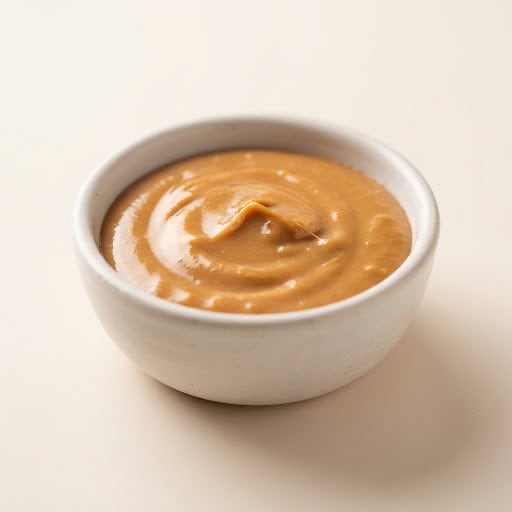
Peanut puffs and peanut butter both work well for introducing peanut. Peanut puffs melt easily and are less sticky, while thinned peanut butter is easy to mix into many foods.
What if my baby reacts to peanut puffs?
If your baby has hives, vomiting or a mild rash after peanut puffs, stop and call your pediatrician. Call 911 for trouble breathing, swelling of the face or lips, or if your baby seems floppy or very sleepy.
The takeaway
- Babies can have peanut puffs from about 6 months, softened with water, breast milk or formula into a smooth mash.
- Soak about 6 to 8 peanut puffs in a few teaspoons of warm water, breast milk or formula until soft, then mash smooth.
- Choking risk is low. Peanut is one of the Top 9 allergens: offer a small amount first, watch for a reaction, then keep it in the diet regularly.
Read next

Sources
This guide follows current advice from these organizations.
- Starting Solid Foods American Academy of Pediatrics (HealthyChildren.org)
- When, What, and How to Introduce Solid Foods Centers for Disease Control and Prevention
- Choking Hazards Centers for Disease Control and Prevention
- Peanut Allergy: What to Know About the Latest Prevention Guidelines American Academy of Pediatrics (HealthyChildren.org)
- Addendum Guidelines for the Prevention of Peanut Allergy in the United States Togias A, et al.; NIAID-sponsored expert panel. J Allergy Clin Immunol. 2017;139(1):29-44
- Randomized Trial of Peanut Consumption in Infants at Risk for Peanut Allergy (LEAP) Du Toit G, et al. N Engl J Med. 2015;372(9):803-813
Recipes with peanut puffs
Track every new food in your baby’s passport
Track the first 100 foods and the Top 9 allergens. 7 days free.
More nuts and seeds for babies
Updated November 2026. Reviewed by our dietitians. Based on AAP, CDC and NIAID guidance. Written for healthy, full-term babies; not a substitute for your pediatrician. If your baby was born early, has a medical condition, feeding difficulties or a known allergy, check with them first (medical disclaimer). Always stay with your baby while they eat.