
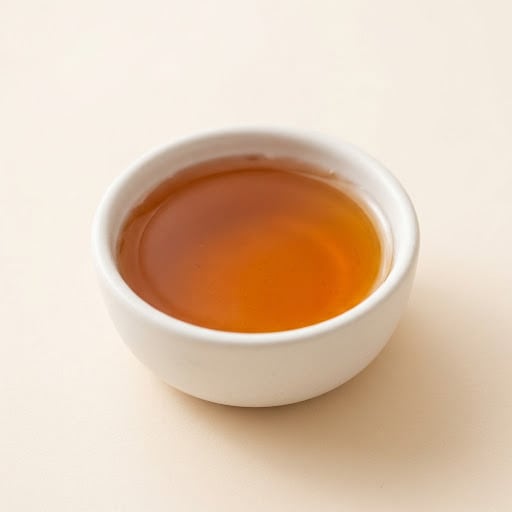
Drinks & extras Food Library
When can babies have maple syrup?
Can babies have maple syrup?
Maple syrup is best saved until about 2 years, because health experts advise no added sugars for babies and toddlers under 2. Unlike honey, maple syrup does not carry a botulism risk, so a small amount baked into family food is not dangerous before then. After age 2, use it in small amounts as an occasional sweetener.
How to serve maple syrup by age
Shapes and textures change as your baby’s grasp and chewing grow.

6 months
Skip maple syrup at 6 months. Sweeten smooth oatmeal or yogurt with mashed banana, applesauce or pureed berries instead, so your baby learns to enjoy foods that are not very sweet.

7–8 months
Keep skipping maple syrup. Sweeten thicker oatmeal, yogurt or soft homemade pancakes with mashed ripe fruit, and drizzle syrup only on your own portion.

9–12 months
Keep maple syrup off your baby's plate and drizzle it only on your own portion. A small amount baked into a family muffin or pancake recipe is not a safety concern, but it is not needed.

12 months +
Between 1 and 2 years, avoid added sugars and use fruit for sweetness. After age 2, a thin drizzle of pure maple syrup on pancakes, oatmeal or yogurt is fine as an occasional treat.
Why it’s good
Pure maple syrup is mostly sugar, with small amounts of manganese, zinc and riboflavin. It offers no nutrition a toddler cannot get from whole foods, and added sugar can crowd out more nourishing foods and harm teeth. Fruit is a better sweetener for babies and toddlers.
Safety notes
- US dietary guidelines advise no added sugars for children under 2, and maple syrup counts as an added sugar.
- Maple syrup does not need to be avoided like honey. It is boiled during production and is not linked to infant botulism.
- Pancake syrup and table syrup are usually corn syrup with flavoring and coloring, not maple. If you use syrup after age 2, choose 100 percent pure maple syrup.
- Maple candy, maple taffy and maple sugar on snow are hard or sticky and are choking hazards. Wait until at least age 4 for hard candy.
- Sugary syrups cling to teeth. Brush teeth after sticky, sweet foods and never put syrup on a pacifier.
A low-allergy food, still worth watching
Maple syrup is not a common allergen, and true allergy is very rare. Pancake syrups may contain other ingredients, so check labels and watch for hives, swelling or vomiting after first tastes.
Maple syrup for babies: questions parents ask
Quick answers about maple syrup for babies and toddlers.
When can babies have maple syrup?
Maple syrup is best saved until around 2 years of age, since health experts advise avoiding added sugars before age 2. A small amount baked into a family recipe before then is not dangerous, but it is not needed.
Can babies have maple syrup?
Babies can technically have maple syrup because it is not linked to botulism, but it is an added sugar with little nutrition. Mashed fruit is a better way to sweeten food for babies under 2.
Is maple syrup a choking hazard for babies?
Maple syrup itself is not a choking hazard. Maple candy, taffy and hard maple sugar are choking hazards for babies and young children, so wait until at least age 4 for hard candies.
Is maple syrup a common allergen?
No, maple syrup is not a common allergen, and reactions are very rare. Imitation pancake syrups can contain other ingredients, so read the label.
How do I serve maple syrup to a 6 month old?
Maple syrup does not need to be served to a 6 month old. To sweeten oatmeal, yogurt or baby pancakes, use mashed ripe banana, unsweetened applesauce or pureed berries instead of maple syrup.
Can maple syrup cause infant botulism like honey?
No, maple syrup is not linked to infant botulism the way honey is. Maple sap is boiled for a long time to make maple syrup, and it does not carry the same risk, so the 12 month honey rule does not apply to maple syrup.
Is pancake syrup the same as maple syrup?
No, most pancake syrup is made from corn syrup with caramel color and artificial maple flavor, not real maple. Pure maple syrup is labeled 100 percent maple syrup and is the better choice if you use syrup after age 2.
What can I use instead of maple syrup for a baby?
Instead of maple syrup, use mashed banana, unsweetened applesauce, pureed pears, mashed berries or a pinch of cinnamon to add flavor to baby food. These swaps add sweetness along with fiber and vitamins.
How much maple syrup can a toddler have?
After age 2, a toddler can have a small drizzle of maple syrup, about a teaspoon or less, now and then. The American Heart Association suggests children over 2 keep added sugars under about 6 teaspoons a day in total.
Can babies have maple syrup in baked goods?
Yes, a small amount of maple syrup baked into a family muffin or pancake is not dangerous for babies, because unlike honey it does not carry a botulism risk. It is still an added sugar, which is best avoided before age 2, so sweeten baby baked goods with mashed banana or applesauce instead.
Is maple syrup good for babies?
Maple syrup is not a good food for babies, because it is mostly sugar and health experts advise no added sugar before age 2. It is not dangerous like honey, but mashed banana, unsweetened applesauce or pureed berries are better ways to sweeten oatmeal and yogurt.
The takeaway
- Maple syrup is best saved until about 2 years, because health experts advise no added sugars for babies and toddlers under 2.
- Between 1 and 2 years, avoid added sugars and use fruit for sweetness.
- Choking risk is low. Not a Top 9 allergen, but offer a small amount first and watch for any reaction.
Read next


Sources
This guide follows current advice from these organizations.
- Starting Solid Foods American Academy of Pediatrics (HealthyChildren.org)
- When, What, and How to Introduce Solid Foods Centers for Disease Control and Prevention
- Choking Hazards Centers for Disease Control and Prevention
- Recommended Drinks for Young Children Ages 0-5 American Academy of Pediatrics (HealthyChildren.org)
- Foods and Drinks to Avoid or Limit Centers for Disease Control and Prevention
- Dietary Guidelines for Americans, 2020-2025 U.S. Department of Agriculture and HHS
- Botulism Prevention Centers for Disease Control and Prevention
Track every new food in your baby’s passport
Track the first 100 foods and the Top 9 allergens. 7 days free.
More drinks and extras for babies
Updated November 2026. Reviewed by our dietitians. Based on AAP, CDC and NIAID guidance. Written for healthy, full-term babies; not a substitute for your pediatrician. If your baby was born early, has a medical condition, feeding difficulties or a known allergy, check with them first (medical disclaimer). Always stay with your baby while they eat.