
Drinks & extras Food Library
When can babies have kombucha?
Can babies have kombucha?
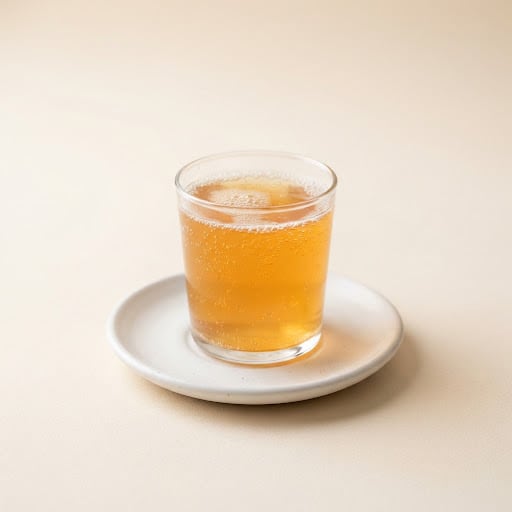
Kombucha is best avoided until at least 4 years old. Kombucha contains caffeine, added sugar and small amounts of alcohol from fermentation, and homemade batches can be contaminated. Babies and toddlers are better off with breast milk or formula, and after 12 months water and whole cow's milk.
How to serve kombucha by age
Shapes and textures change as your baby’s grasp and chewing grow.

6 months
Do not offer kombucha. Babies only need breast milk or formula, plus small sips of water from an open or straw cup with meals once they start solids.

7–8 months
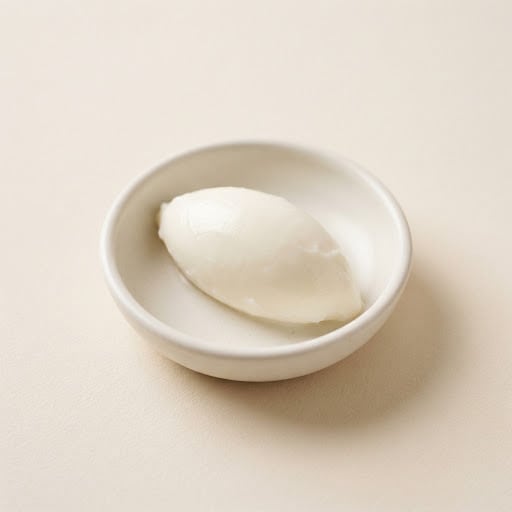
Kombucha is still off the menu. Keep offering breast milk or formula and small sips of water with meals, and let baby try fermented foods like plain whole-milk yogurt on a spoon instead.

9–12 months
Kombucha is still off the menu. Keep offering water with meals, and let baby enjoy fermented foods like plain yogurt instead.

12 months +
Skip kombucha for toddlers. Offer water and plain whole milk, and save kombucha for after age 4, when a small amount of a store-bought, low-sugar kind can be an occasional drink.
Why it’s good
Kombucha offers little nutrition for young children. It has some live bacteria and acids from fermentation, but also added sugar, caffeine and traces of alcohol. Plain yogurt and kefir are better sources of live cultures.
Safety notes
- Kombucha contains caffeine from tea, which is not recommended for young children.
- Fermentation creates small amounts of alcohol, and homemade or unpasteurized kombucha can have more than labeled.
- Homemade kombucha can grow harmful bacteria or mold. Do not give homemade kombucha to children.
- Many kombuchas have added sugar and are acidic, which can harm teeth.
A low-allergy food, still worth watching
Kombucha is not a Top 9 allergen. Flavored kombuchas may contain fruit, herbs or ginger, so check labels if your child has allergies.
Kombucha for babies: questions parents ask
Quick answers about kombucha for babies and toddlers.
When can babies have kombucha?
Kombucha is best avoided until at least 4 years old. Kombucha contains caffeine, sugar and traces of alcohol, which young children do not need.
Can babies drink kombucha?
No, babies should not drink kombucha. Breast milk or formula, with small sips of water, are all babies need to drink.
Is kombucha a choking hazard for babies?
Kombucha is a low choking risk as a drink, but it is not recommended for babies anyway. Kombucha with fruit pieces or chia seeds should also be avoided.
Is kombucha a common allergen?
No, kombucha is not a common allergen. Flavored kombuchas can contain other ingredients, so read labels carefully.
How do I serve kombucha to a 6 month old?
Kombucha should not be served to a 6 month old. Offer breast milk or formula and small sips of water instead.
Does kombucha have alcohol?
Yes, kombucha contains small amounts of alcohol from fermentation, usually under 0.5 percent in store-bought brands. Homemade kombucha can contain more, so it should not be given to children.
Does kombucha have caffeine?
Yes, kombucha has caffeine because it is made from tea. Caffeine is not recommended for babies and young children.
Can toddlers have homemade kombucha?
No, toddlers should not have homemade kombucha because alcohol content and bacteria can vary and it can be contaminated. Wait until after age 4 and choose store-bought kombucha.
Is kombucha good for kids' gut health?
There is no strong evidence that kombucha improves gut health in children. Plain yogurt, kefir and fiber-rich foods are better options.
The takeaway
- Kombucha is best avoided until at least 4 years old.
- Skip kombucha for toddlers.
- Choking risk is low. Not a Top 9 allergen, but offer a small amount first and watch for any reaction.
Read next


Sources
This guide follows current advice from these organizations.
- Starting Solid Foods American Academy of Pediatrics (HealthyChildren.org)
- When, What, and How to Introduce Solid Foods Centers for Disease Control and Prevention
- Choking Hazards Centers for Disease Control and Prevention
- Recommended Drinks for Young Children Ages 0-5 American Academy of Pediatrics (HealthyChildren.org)
- Foods and Drinks to Avoid or Limit Centers for Disease Control and Prevention
- Dietary Guidelines for Americans, 2020-2025 U.S. Department of Agriculture and HHS
Track every new food in your baby’s passport
Track the first 100 foods and the Top 9 allergens. 7 days free.
More drinks and extras for babies
Updated November 2026. Reviewed by our dietitians. Based on AAP, CDC and NIAID guidance. Written for healthy, full-term babies; not a substitute for your pediatrician. If your baby was born early, has a medical condition, feeding difficulties or a known allergy, check with them first (medical disclaimer). Always stay with your baby while they eat.