
Drinks & extras Food Library
When can babies have jam and jelly?
Can babies have jam and jelly?
Babies can have a thin smear of jam or jelly from about 6 months if it has no added sugar, such as a homemade mashed-fruit jam or a no-sugar-added fruit spread. Regular jam and jelly are high in added sugar, which the AAP advises avoiding before age 2. Jam and jelly are not common allergens, but check labels.
How to serve jam and jelly by age
Shapes and textures change as your baby’s grasp and chewing grow.

6 months
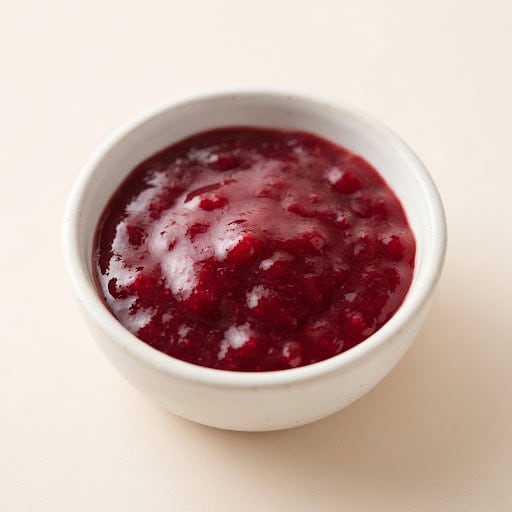
Stir a little no-sugar-added jam, or berries cooked and blended smooth, into plain yogurt, oatmeal or iron-fortified cereal and offer it on a spoon. Skip regular jam and jelly, which are mostly sugar.

7–8 months
Swirl no-sugar-added jam or mashed berries into thicker oatmeal or yogurt, or spread a thin layer on a soft toast strip about the width of two adult fingers for your baby to hold. Mash any whole berries or fruit chunks first.

9–12 months
Offer small squares of toast or pancake with a thin smear of homemade fruit jam, or pair it with a thin layer of peanut butter. Avoid jams with whole berries or large fruit chunks.

12 months +
Toddlers can have thin layers of jam on toast, pancakes or in a cut-up nut butter and jam sandwich. After age 2, regular jam is fine as an occasional treat in small amounts.
Why it’s good
Jam and jelly made with only fruit give a little vitamin C and fiber, especially chia and whole-fruit jams. Regular jam and jelly are mostly sugar with few nutrients. Fresh or mashed fruit gives babies far more nutrition than any spread.
Safety notes
- Choose jams with no added sugar, and avoid artificial sweeteners in jams for babies. Check labels for words like sugar, cane syrup, fruit juice concentrate and corn syrup.
- Never use jam or jelly made with honey before 12 months, because of the risk of infant botulism.
- Jams with whole berries or big fruit pieces can be a choking risk. Mash or blend chunks before serving.
- Spread jam thinly. Thick, sticky layers can be hard for babies to swallow and are tough on new teeth.
- Refrigerate homemade jam and use within about a week, or freeze small portions.
A low-allergy food, still worth watching
Jam and jelly are not Top 9 allergens, though strawberries and some other fruits can cause rash around the mouth in sensitive babies. Some jams contain added ingredients or share equipment with nuts, so read labels.
Jam and jelly for babies: questions parents ask
Quick answers about jam and jelly for babies and toddlers.
When can babies have jam or jelly?
Babies can have a thin smear of jam or jelly from about 6 months if it has no added sugar. Regular sweetened jam and jelly are best kept until after age 2.
Can babies have jam?
Yes, babies can eat jam made from fruit with no added sugar, such as a homemade chia jam. Jam should be a thin spread on other foods, not a food on its own.
Are jam and jelly a choking hazard for babies?
Smooth jam and jelly are a low choking risk when spread thinly. Jams with whole berries or big fruit chunks can pose a choking risk, so mash them first.
Are jam and jelly common allergens?
No, jam and jelly are not common allergens. Some products contain added ingredients or are made in facilities with nuts, so check the label before serving.
How do I serve jam to a 6 month old?
To serve jam to a 6 month old, stir a little no-sugar-added jam or smooth blended berries into plain yogurt or oatmeal and offer it on a spoon. A thin layer on a soft toast strip to hold can follow at 7–8 months.
How do I make jam for my baby?
To make jam for a baby, simmer chopped berries or other fruit until soft, mash them, and stir in a spoonful of chia seeds to thicken as it cools. This easy jam has no added sugar and keeps in the fridge for about a week.
Is jam or jelly better for babies?
Jam is usually a better choice than jelly for babies because it is made from whole fruit and keeps some fiber. Jelly is made from fruit juice and sugar, so it offers less nutrition.
When can babies have peanut butter and jelly sandwiches?
Babies can eat peanut butter and jelly on toast strips from about 7–8 months if the peanut butter is spread thinly and the jam has no added sugar; at 6 months, stir thinned peanut butter and jam into oatmeal or yogurt instead. Soft bread can clump, so toast it lightly and cut it into strips.
Is sugar-free jam with sweeteners okay for babies?
Sugar-free jam made with artificial or high-intensity sweeteners is not recommended for babies and young children. Choose jams sweetened only with fruit, or make your own.
The takeaway
- Babies can have a thin smear of jam or jelly from about 6 months if it has no added sugar, such as a homemade mashed-fruit jam or a no-sugar-added fruit spread.
- Stir a little no-sugar-added jam, or berries cooked and blended smooth, into plain yogurt, oatmeal or iron-fortified cereal and offer it on a spoon.
- Choking risk is low. Not a Top 9 allergen, but offer a small amount first and watch for any reaction.
Read next


Sources
This guide follows current advice from these organizations.
- Starting Solid Foods American Academy of Pediatrics (HealthyChildren.org)
- When, What, and How to Introduce Solid Foods Centers for Disease Control and Prevention
- Choking Hazards Centers for Disease Control and Prevention
- Recommended Drinks for Young Children Ages 0-5 American Academy of Pediatrics (HealthyChildren.org)
- Foods and Drinks to Avoid or Limit Centers for Disease Control and Prevention
- Dietary Guidelines for Americans, 2020-2025 U.S. Department of Agriculture and HHS
- Botulism Prevention Centers for Disease Control and Prevention
Track every new food in your baby’s passport
Track the first 100 foods and the Top 9 allergens. 7 days free.
More drinks and extras for babies
Updated November 2026. Reviewed by our dietitians. Based on AAP, CDC and NIAID guidance. Written for healthy, full-term babies; not a substitute for your pediatrician. If your baby was born early, has a medical condition, feeding difficulties or a known allergy, check with them first (medical disclaimer). Always stay with your baby while they eat.