
Drinks & extras Food Library
When can babies have ketchup?
Can babies have ketchup?
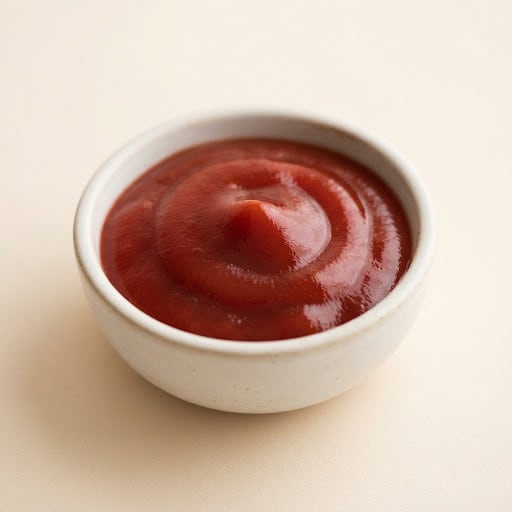
Babies can have a small taste of ketchup from about 12 months, but regular ketchup is high in added sugar and salt, so it is best kept to a rare dab. No-salt-added, unsweetened or homemade tomato sauce is a better everyday choice before age 2. Ketchup is not usually a common allergen, but always check the label.
How to serve ketchup by age
Shapes and textures change as your baby’s grasp and chewing grow.

6 months
Skip ketchup. If you want tomato flavor, swirl a little no-salt-added tomato puree or a smooth homemade sauce of cooked tomatoes into a vegetable or meat puree and offer it on a spoon.

7–8 months
Keep skipping ketchup, which has added sugar and salt. A thin smear of no-salt-added tomato puree or homemade tomato sauce can go on soft roasted vegetables or stirred into lumpy mashes.

9–12 months
Still skip ketchup before 12 months. Offer homemade, unsweetened tomato sauce as a dip for soft potato wedges or meatballs instead.

12 months +
Toddlers can have a small dab of ketchup now and then, served on the side. Because of the added sugar, a homemade tomato dip without sugar is the better everyday choice until age 2.
Why it’s good
Ketchup offers a little lycopene and vitamin A from tomatoes, but in a typical serving it mostly adds sugar and sodium. One tablespoon can contain about a teaspoon of sugar. Plain cooked tomatoes or tomato purée give the same nutrients without the extras.
Safety notes
- Regular ketchup contains added sugar. The AAP advises limiting added sugars before age 2, so keep ketchup to small, occasional amounts.
- Ketchup is salty. Choose no-salt-added or reduced-sodium brands and avoid adding extra salt to the meal.
- Some ketchups contain honey as a sweetener. Check the label and avoid any product with honey before 12 months.
- Ketchup is acidic and can cause a red rash around the mouth. This is usually irritation, not an allergy.
A low-allergy food, still worth watching
Ketchup does not usually contain Top 9 allergens, but some brands or flavors include wheat, soy or fish (for example in added Worcestershire sauce). Read the label and watch for hives, swelling or vomiting.
Ketchup for babies: questions parents ask
Quick answers about ketchup for babies and toddlers.
When can babies have ketchup?
Babies can have a tiny taste of ketchup from about 12 months, but it is best kept rare because of the added sugar and salt. Homemade or no-salt-added tomato sauce is a better choice for babies under 2.
Can babies have ketchup?
Yes, babies can eat a small amount of ketchup, but it should not be an everyday food. Most ketchup is high in sugar and sodium, which babies need very little of.
Is ketchup a choking hazard for babies?
Ketchup is a low choking risk for babies because it is a smooth sauce. The food you dip in ketchup matters more, so make sure that food is cut and cooked for your baby's age.
Is ketchup a common allergen?
Ketchup is not usually a common allergen, but some brands contain wheat, soy or fish ingredients. Always read the label before serving ketchup to a baby with allergies.
How do I serve ketchup to a 6 month old?
For a 6 month old, ketchup is best replaced with a little no-salt-added tomato puree or smooth homemade tomato sauce stirred into a vegetable puree and offered on a spoon. Skip ketchup itself at this age because of its added sugar and salt.
How much sugar is in ketchup?
Regular ketchup has roughly 4 grams of sugar per tablespoon, about a teaspoon. That is a lot for a baby, so look for reduced-sugar or unsweetened ketchup and keep portions small.
What is a healthy ketchup alternative for babies?
A healthy ketchup alternative for babies is homemade sauce made by simmering tomatoes or tomato purée with a little olive oil and spices. No-salt-added tomato paste thinned with water also works as a dip.
Is organic ketchup better for babies?
Organic ketchup is not lower in sugar or salt than regular ketchup in most cases. Compare the nutrition labels, and choose the brand with the least added sugar and sodium.
My toddler only eats food with ketchup. What can I do?
If a toddler only eats food with ketchup, serve a small amount on the side and slowly reduce it while offering other dips like yogurt or hummus. Pressure tends to backfire, so keep meals calm and repeat new foods often.
The takeaway
- Babies can have a small taste of ketchup from about 12 months, but regular ketchup is high in added sugar and salt, so it is best kept to a rare dab.
- Toddlers can have a small dab of ketchup now and then, served on the side.
- Choking risk is low. Not a Top 9 allergen, but offer a small amount first and watch for any reaction.
Read next


Sources
This guide follows current advice from these organizations.
- Starting Solid Foods American Academy of Pediatrics (HealthyChildren.org)
- When, What, and How to Introduce Solid Foods Centers for Disease Control and Prevention
- Choking Hazards Centers for Disease Control and Prevention
- Recommended Drinks for Young Children Ages 0-5 American Academy of Pediatrics (HealthyChildren.org)
- Foods and Drinks to Avoid or Limit Centers for Disease Control and Prevention
- Dietary Guidelines for Americans, 2020-2025 U.S. Department of Agriculture and HHS
Track every new food in your baby’s passport
Track the first 100 foods and the Top 9 allergens. 7 days free.
More drinks and extras for babies
Updated November 2026. Reviewed by our dietitians. Based on AAP, CDC and NIAID guidance. Written for healthy, full-term babies; not a substitute for your pediatrician. If your baby was born early, has a medical condition, feeding difficulties or a known allergy, check with them first (medical disclaimer). Always stay with your baby while they eat.