
Drinks & extras Food Library
When can babies have manteca?
Can babies have manteca?
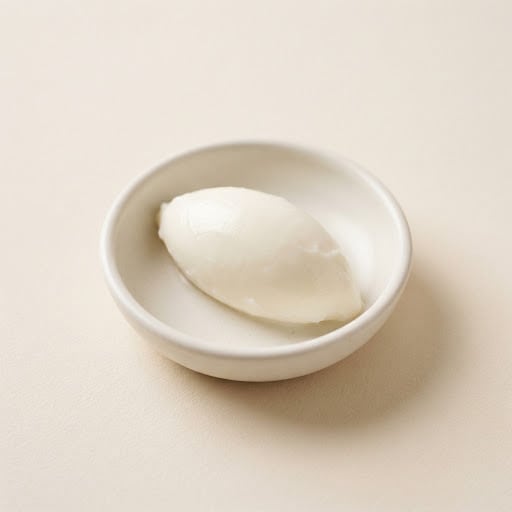
Babies can have manteca, or pork lard, from about 6 months as a cooking fat in small amounts. Manteca adds energy and flavor to beans, tortillas and vegetables, but it is high in saturated fat, so use it alongside healthier oils. In some countries manteca means butter, which is a dairy allergen.
How to serve manteca by age
Shapes and textures change as your baby’s grasp and chewing grow.

6 months
Melt a small amount of manteca and use it to cook vegetables or beans before blending them smooth, or stir a little melted manteca into a bean or sweet potato puree. Make sure it is fully melted and mixed in so no solid clumps of fat remain.

7–8 months
Use a little melted manteca to cook lumpier mashed beans, rice or vegetables, or to warm a soft tortilla strip your baby can hold. Keep it fully melted and spread through the food.

9–12 months
Cook family foods like frijoles, rice or scrambled eggs with a little manteca and offer soft pieces. Make your own refried beans so you can leave out the salt.

12 months +
Toddlers can eat foods made with manteca, like tamales, tortillas and refried beans, as part of family meals. Balance it with olive oil, avocado and nut or seed butters for heart-healthy fats.
Why it’s good
Manteca is almost pure fat, which gives babies concentrated energy for growth and helps them absorb vitamins A, D, E and K from food. It contains both saturated and monounsaturated fat. Manteca does not provide protein, iron or other key nutrients, so it is a cooking fat, not a main food.
Safety notes
- Do not serve manteca by the spoonful or in solid clumps. Melt it and mix it into food so it is spread thin.
- Many store-bought lards are hydrogenated or contain preservatives. Check labels and choose plain rendered lard without trans fats when you can.
- Restaurant and canned refried beans made with manteca are often salty. Make them at home without salt for babies, or rinse and choose low-sodium options.
- Use manteca in small amounts and rotate with olive oil, canola oil and avocado oil, since it is high in saturated fat.
- Keep manteca in the fridge or a cool place and throw it out if it smells sour or rancid.
A low-allergy food, still worth watching
Pork lard is not a common allergen. In parts of South America manteca means butter, which is dairy and one of the Top 9 allergens, so check what your package or recipe means and introduce butter as a dairy food.
Manteca for babies: questions parents ask
Quick answers about manteca for babies and toddlers.
When can babies have manteca?
Babies can have manteca from about 6 months of age as a cooking fat mixed into food. Manteca should be fully melted and used in small amounts rather than served on its own.
Can babies have manteca?
Yes, babies can eat foods cooked with manteca, such as beans, rice and tortillas. Manteca is high in saturated fat, so use it in small amounts alongside other healthy fats.
Is manteca a choking hazard for babies?
Manteca is not a choking hazard when it is melted and mixed into food. A solid clump of cold fat could be hard to swallow, so always melt manteca and spread it through the dish.
Is manteca a common allergen?
No, manteca made from pork lard is not a common allergen. In some countries manteca means butter, which is a dairy allergen, so check the label to know what you have.
How do I serve manteca to a 6 month old?
To serve manteca to a 6 month old, melt a small amount and use it to cook or mash a smooth food like pinto bean puree, sweet potato or rice porridge, served on a spoon. A soft tortilla strip warmed in manteca can follow at 7–8 months.
Is lard the same as manteca?
In Mexico and much of Central America, manteca usually means pork lard. In Argentina, Uruguay and some other places, manteca means butter, and vegetable shortening is sometimes sold as manteca vegetal.
Is manteca the same as vegetable shortening?
No, manteca made from pork lard is an animal fat, while vegetable shortening is made from plant oils. Some vegetable shortening products contain trans fats from partial hydrogenation, so read labels and avoid trans fats for babies.
Is lard healthier than butter or olive oil for babies?
Lard has less saturated fat than butter but more than olive oil. Olive oil, canola oil and avocado oil are better everyday choices for babies, with manteca used now and then for flavor in traditional recipes.
Are refried beans with manteca okay for babies?
Refried beans made with manteca are fine for babies if they are made without added salt and mashed smooth. Canned and restaurant refried beans are often high in sodium, so choose low-sodium versions or make them at home.
The takeaway
- Babies can have manteca, or pork lard, from about 6 months as a cooking fat in small amounts.
- Melt a small amount of manteca and use it to cook vegetables or beans before blending them smooth, or stir a little melted manteca into a bean or sweet potato puree.
- Choking risk is low. Not a Top 9 allergen, but offer a small amount first and watch for any reaction.
Read next



Sources
This guide follows current advice from these organizations.
- Starting Solid Foods American Academy of Pediatrics (HealthyChildren.org)
- When, What, and How to Introduce Solid Foods Centers for Disease Control and Prevention
- Choking Hazards Centers for Disease Control and Prevention
- Recommended Drinks for Young Children Ages 0-5 American Academy of Pediatrics (HealthyChildren.org)
Track every new food in your baby’s passport
Track the first 100 foods and the Top 9 allergens. 7 days free.
More drinks and extras for babies
Updated November 2026. Reviewed by our dietitians. Based on AAP, CDC and NIAID guidance. Written for healthy, full-term babies; not a substitute for your pediatrician. If your baby was born early, has a medical condition, feeding difficulties or a known allergy, check with them first (medical disclaimer). Always stay with your baby while they eat.